
 Coming soon
Coming soon
Dried Fish & Seafood
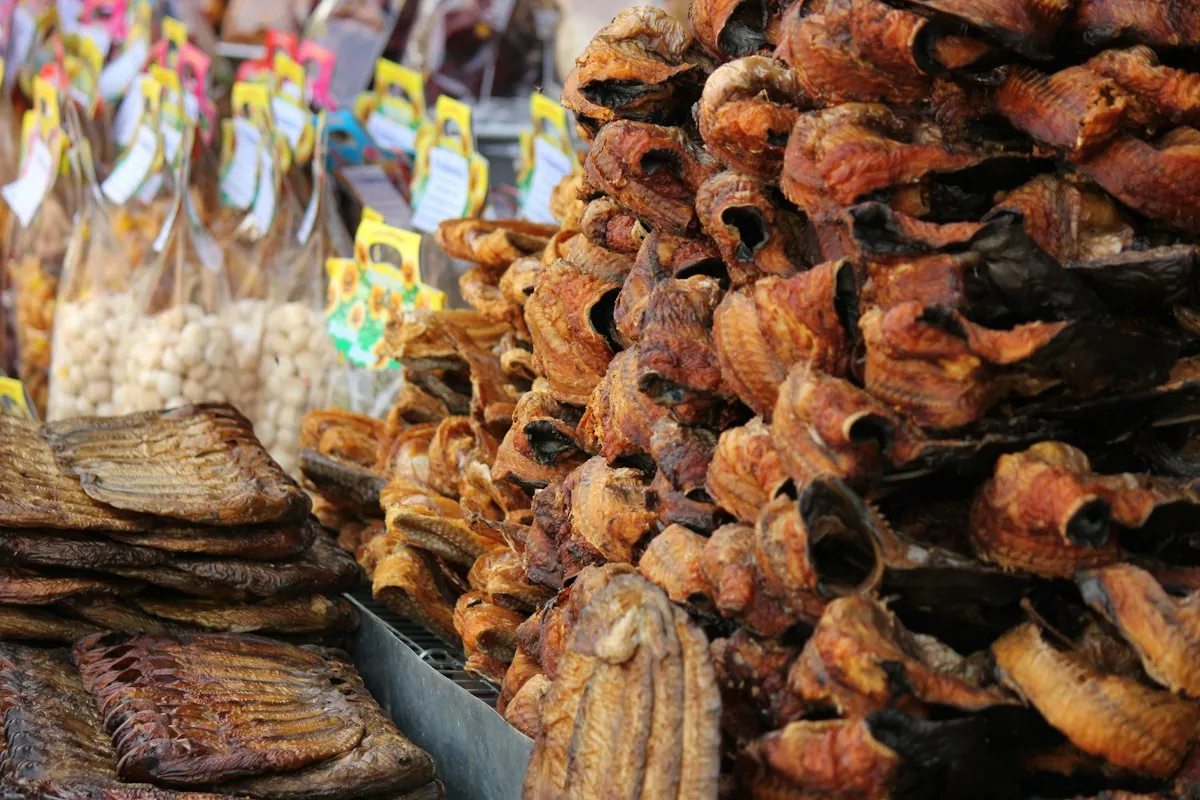
Stockfish, smoked catfish, bonga, dried sole, crayfish and snail are the savory backbone of Nigerian soups. This guide explains each of the fourteen coming-soon items, and how to soak, choose and store them.
 Coming soonComing soon
 Coming soon
 Coming soon
 Coming soon
 Coming soon
 Coming soon
 Coming soon
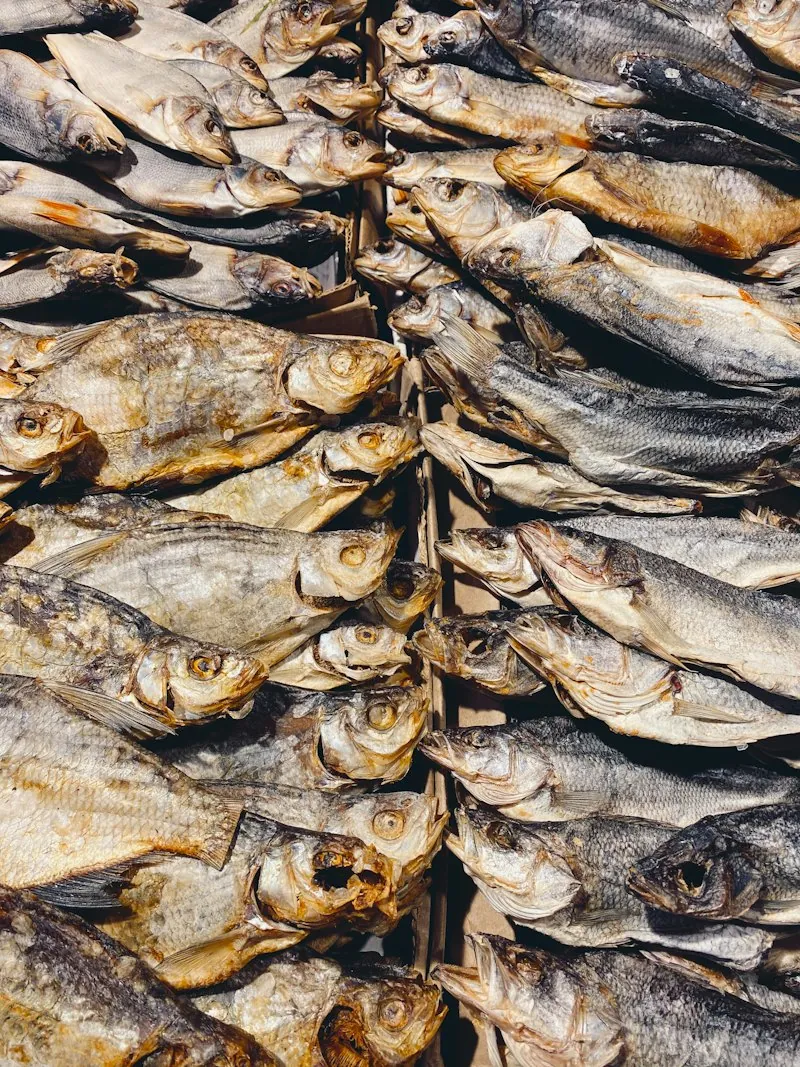 Coming soon
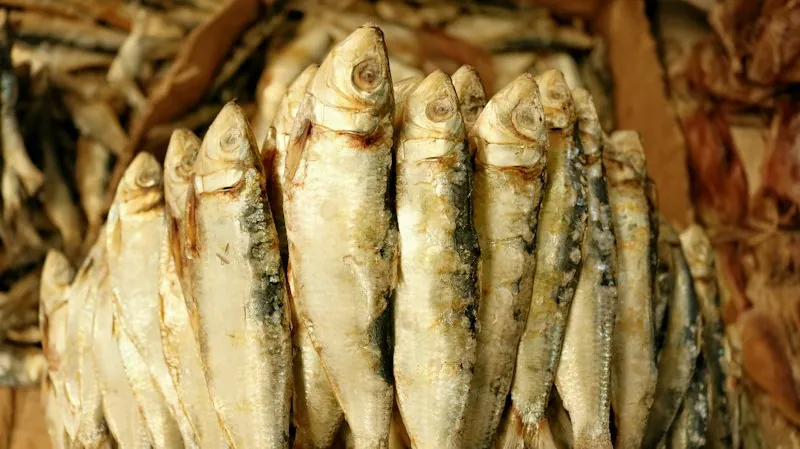 Coming soon
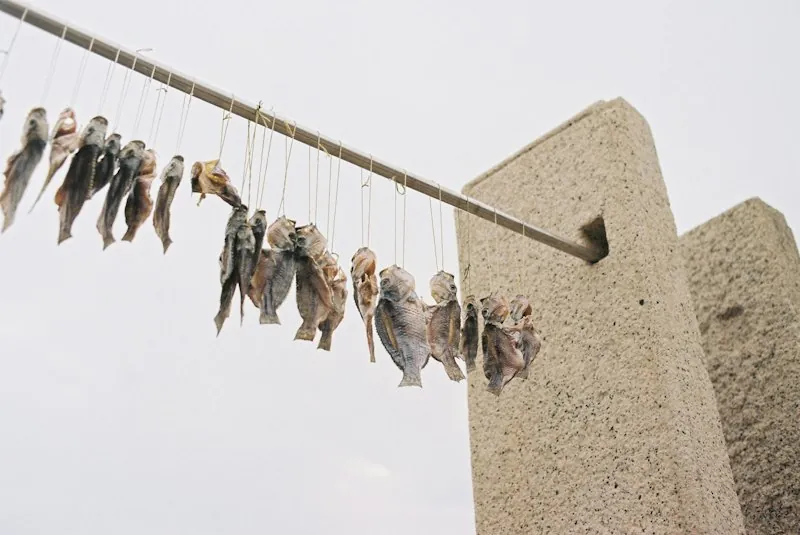 Coming soon
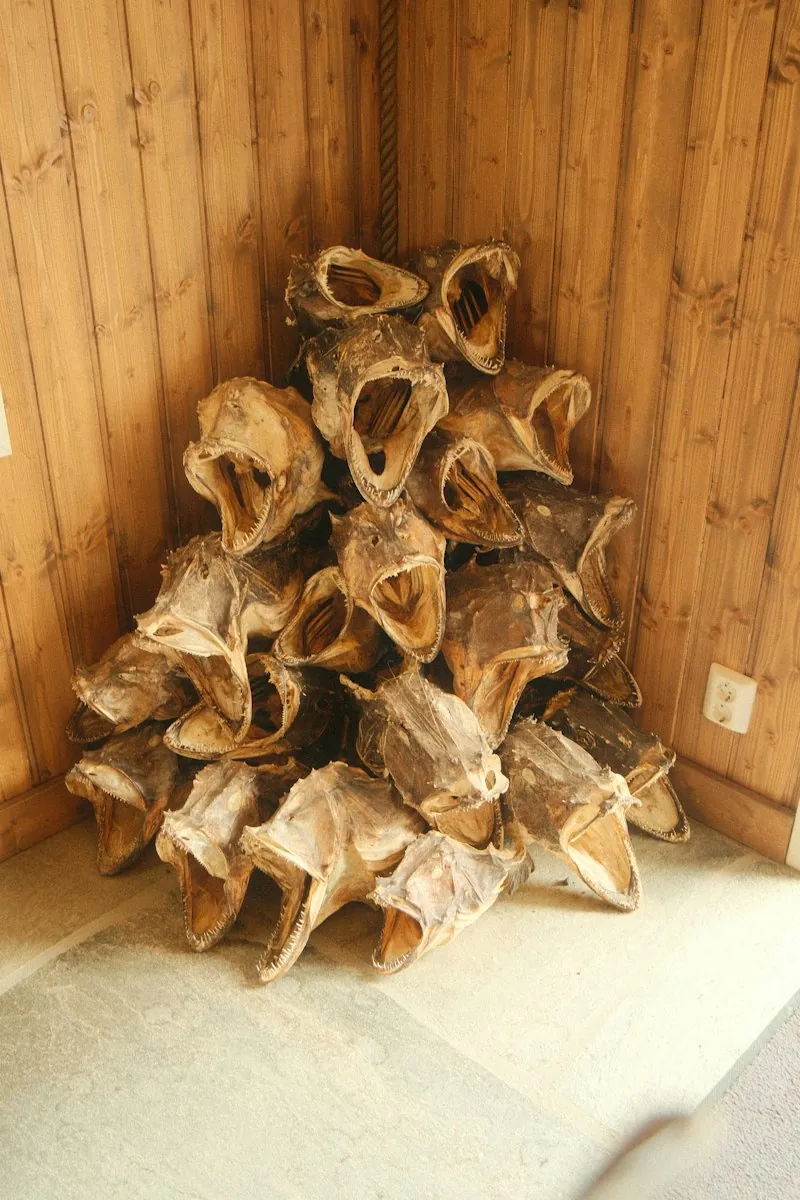 Coming soon
 Coming soon
 Coming soon
About Dried Fish & Seafood
What dried fish and seafood does in Nigerian cooking
In a Nigerian soup the fish is rarely a side dish. Dried and smoked fish, crayfish and snail supply the savory base that the pot is built on, alongside meats, palm oil or ground seeds, and leaves. A West African cooking guide notes that drying concentrates flavor, so a small piece makes a big difference. Igbo soups stack several fish and meats in one pot, while Yoruba efo riro and the widely cooked egusi soup lean on the same layers. Every product below is a coming-soon page.
Air-dried, smoke-dried or fresh: how the types differ
| Type | How it is made | In this range |
|---|---|---|
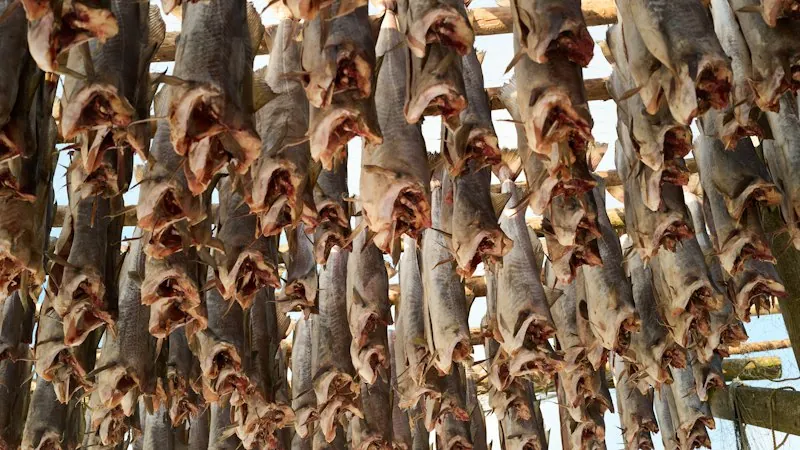
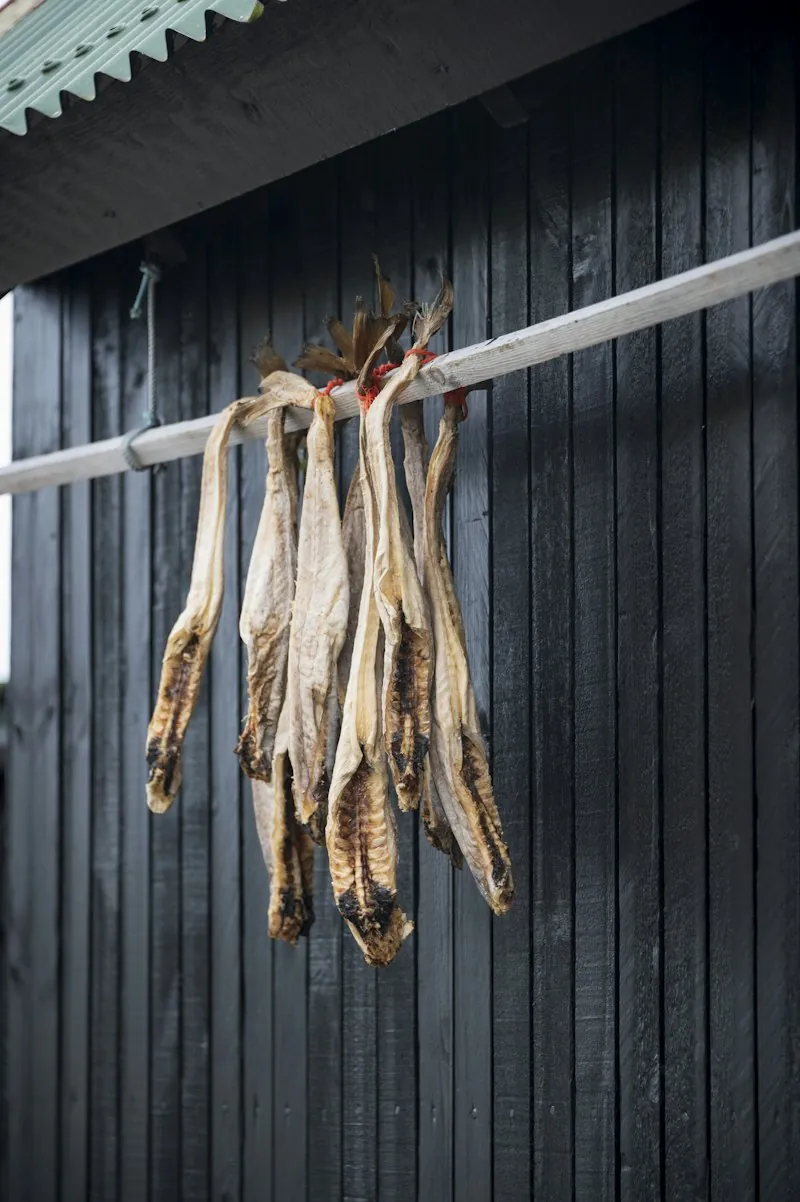
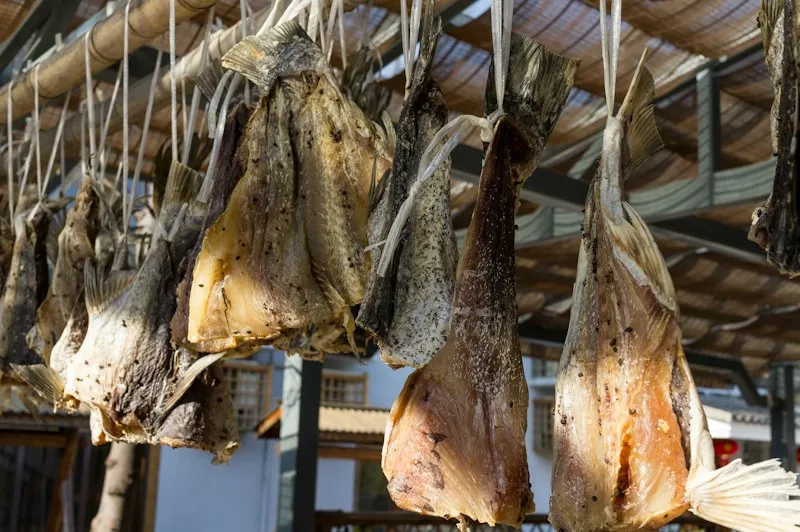
| Air-dried | Unsalted cod dried by cold wind on wooden racks for months, until about 80 percent of its water is gone | Stockfish |
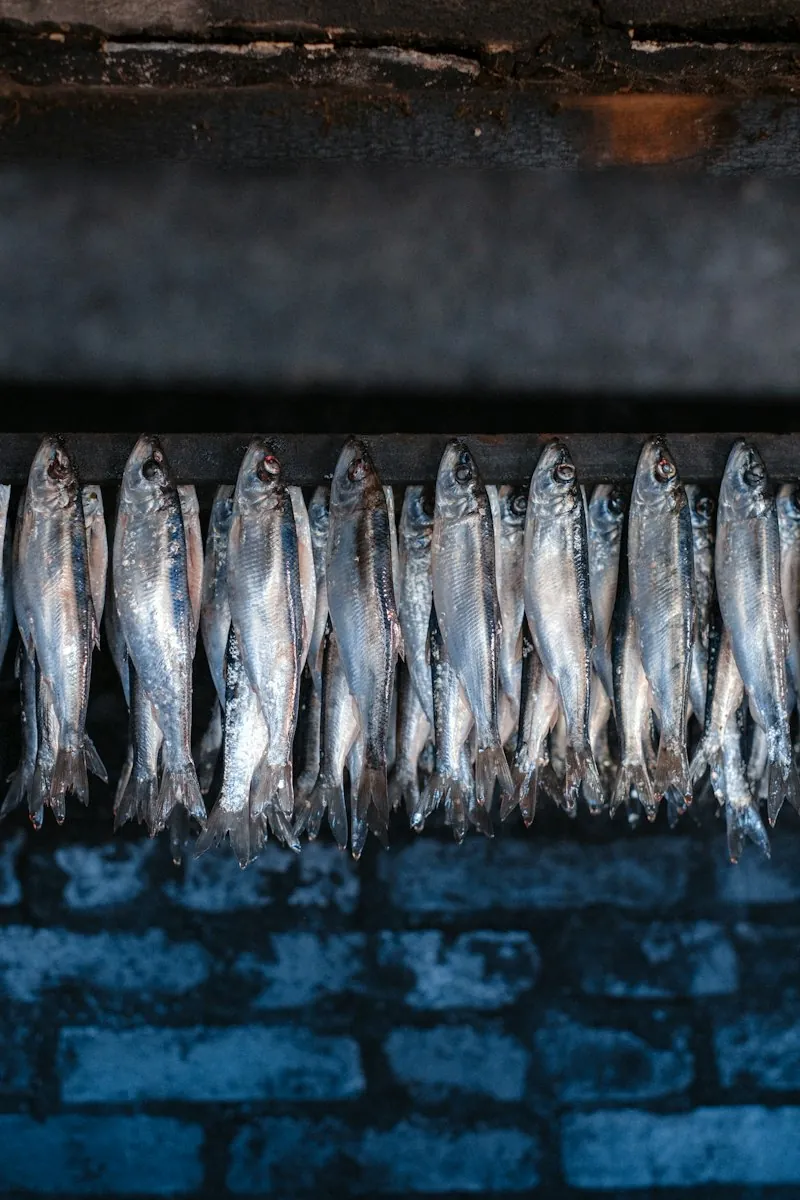
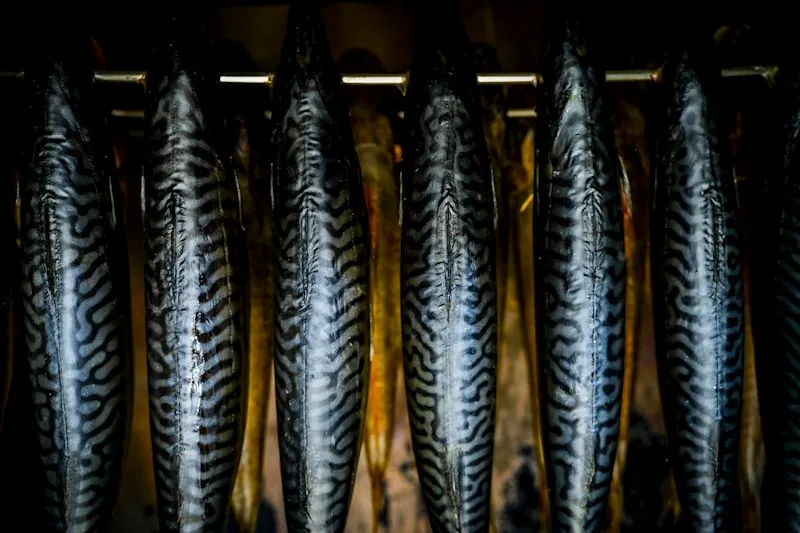
| Smoke-dried | Smoked in a kiln, for 10 to 18 hours in one guide, until hard; hot smoking gives a dark to golden brown surface | Smoked catfish, bonga, mud fish and other dried fish |
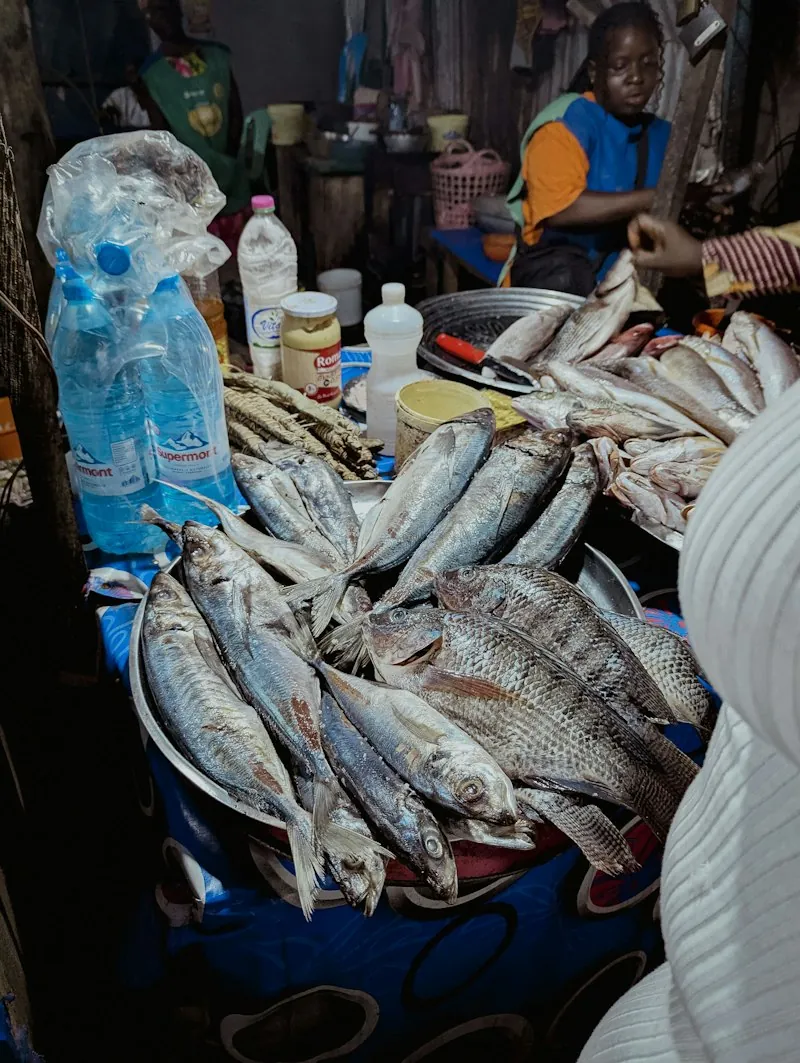
| Fresh or frozen | Kept cold, so perishable | Tilapia and snail may be sold this way |
Some dried fish is also salted, so taste a flake before you season the pot.
How to soak and clean any dried fish
Sniff it first, and discard anything with white fuzz or a sour, musty or ammonia-like smell. Cover smoked fish with warm water and a pinch of salt. Guidance varies, from a few minutes in just-boiled water to a quarter hour or more in warm salted water, so choose by thickness, press the thickest part, and stop when it gives. Rinse, then remove bones and any hard skin. Stockfish needs far longer and is cooked until soft. If the water tastes salty, change it. Soak long jobs in the refrigerator, since the CDC sets two hours as the limit for perishable food at room temperature.
The range, one page at a time
Stockfish is unsalted cod dried until rock hard. Igbo cooks call it okporoko, and it is cooked with the meats until soft in soups such as ofe owerri and bitterleaf soup.
Bonga fish is smoked bonga shad, a coastal fish landed in Nigeria and several other West African countries and known in markets as shawa. Sellers describe a flaky texture.
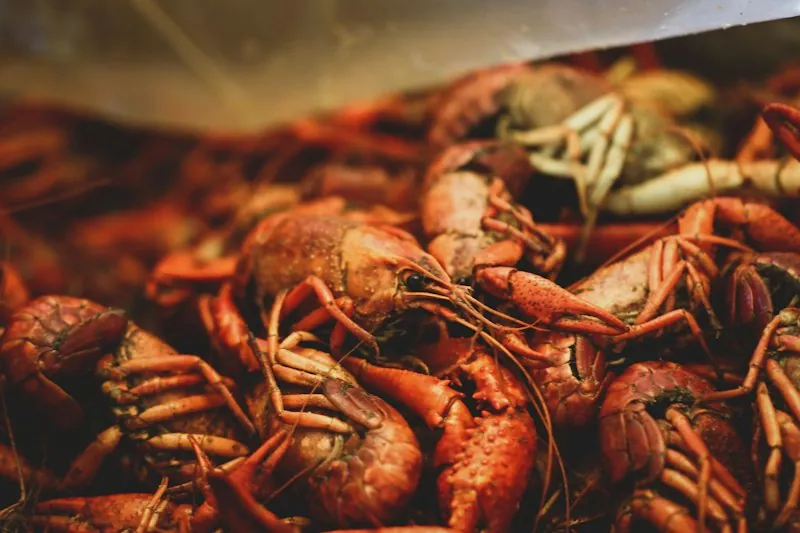
Ground crayfish is the small dried shrimp-like seafood Nigerians call crayfish, milled to a powder to season egusi and other pots. It is shellfish, so mind any allergy.
Catfish round is smoked catfish cut into thick rings with the backbone left in, used in pepper soup, banga and egusi.
Panla fish is the name most sellers give dried hake. A few label it differently, so read the pack.
Mangala is a market name for a dried fish. One importer describes a freshwater fish from northern Nigeria, but the species varies by seller.
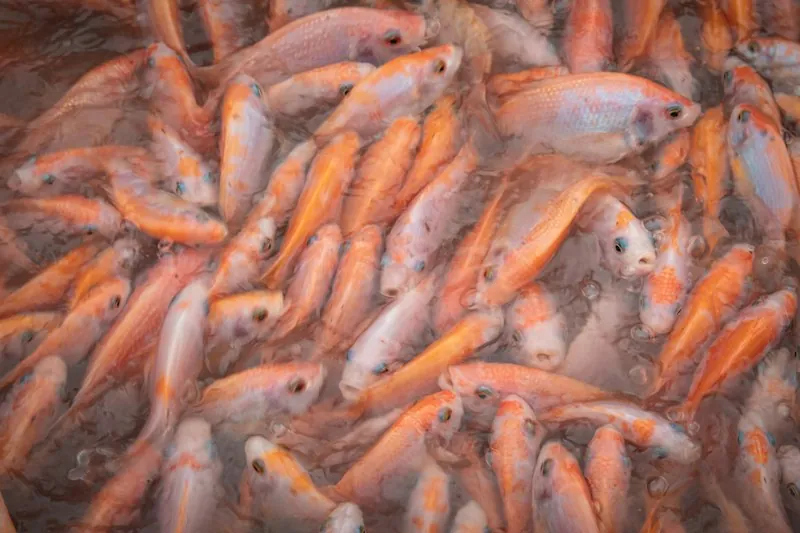
Tilapia is a mild freshwater fish, and the Nile tilapia is the most important farmed tilapia worldwide, sold fresh, frozen or dried.
Mud fish points to smoked catfish in fish references, called eja aro in Yoruba, and it suits banga and pepper soup.
Abo fish is sold as dried sole, a flatfish, with efo riro and egusi as its classic pots.
Asa fish is the wild-caught African knifefish, or eja osan, a prestige fish. Some Igbo word lists use the same word for tilapia, so check the pack.
Arira is a name with no documented species. Its page shows how to read a pack and test-soak an unfamiliar dried fish.
Ogbazuru is another name with no documented species, so its page uses ofe owerri, oha and bitterleaf soup to show how Igbo cooks layer dried fish.
Yellow fish also has no confirmed species. Its page covers what color means on smoked fish and how to choose by job.
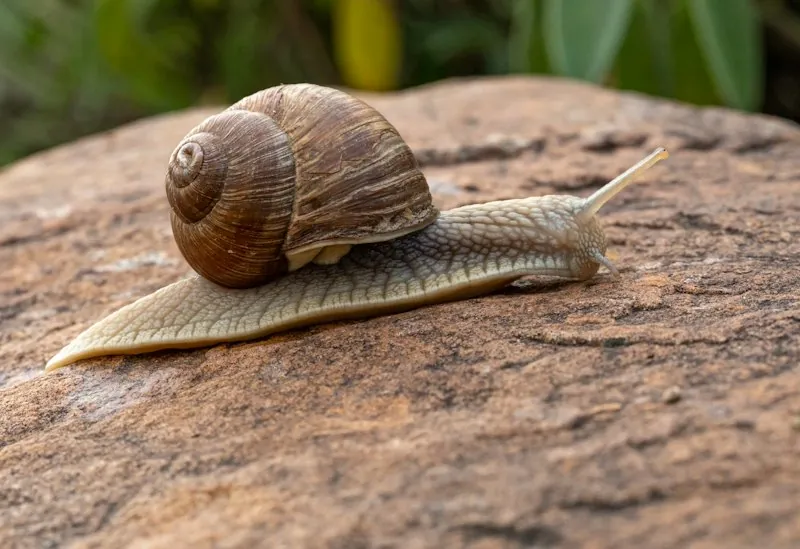
Snail means the giant West African land snails. It goes into pepper soup and ofe owerri, needs thorough cooking, and is a mollusc, a group the US major-allergen list leaves out.
Choosing and storing dried fish
Look for pieces that are dry all through, with a clean smoky smell and no fuzz. A damp bag is a bad sign, because moisture lets mould grow. Ask for weight, not piece count, because sizes vary. Keep opened fish airtight in a cool, dry place, and refrigerate or freeze it if you use it slowly, wrapped well so the smell stays put. Fresh or frozen items stay cold. Anyone with a fish or shellfish allergy should read every label.
Three classic pots and where the fish goes
In Sisi Jemimah's egusi soup, the pepper base fries for ten minutes and stock goes in. Egusi blended with onion and crayfish cooks for five, then the dried fish, stockfish and meats join for five to seven more before the greens. The pot takes about half an hour.
In her ofe owerri, snail and several other meats are boiled in order of toughness, and the stockfish and smoked fish go in once all of them are tender.
A published catfish pepper soup simmers a cleaned fish for about 25 minutes with pepper soup spice, with scent leaf near the end.
Serve the thick soups with a swallow. Efo riro is eaten with iyan, which is pounded yam, along with fufu, eba and amala, and ofe owerri is eaten with pounded yam too. Our pounded yam flour is in stock now if you want to try that pairing.
What coming soon means here
None of these fourteen items is for sale yet. Pressing Notify me on a product page records your email for that item. It tells us which to stock first, and it is how you hear when one is listed. No dates have been set.
Launch list
Be first in line — get 15% off launch day
Tell us what you're waiting for. We'll email you once when it arrives, with a launch-day code.
No spam. One email per launch. Unsubscribe any time.15%OFF
Launch-day code
FIRSTINLINE
For waitlist members only