
 Coming soon
Coming soon · Coming in the next few months
Bonga Fish
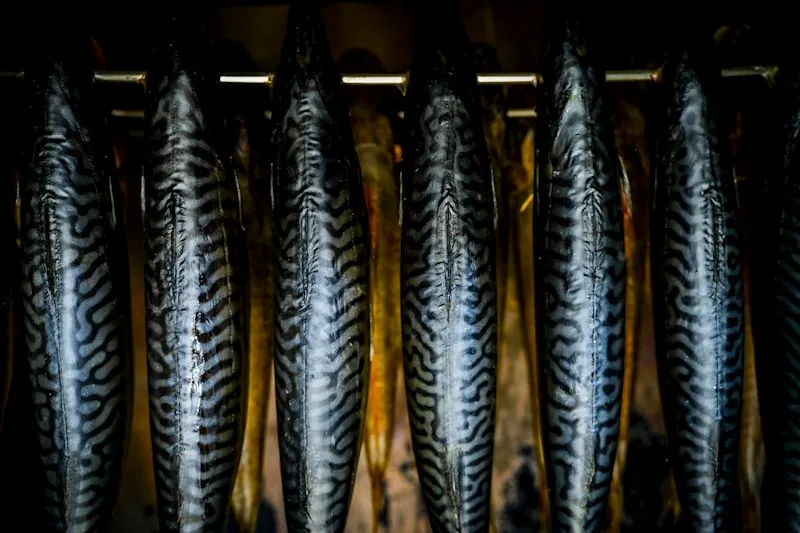
Smoked bonga (shawa), the backbone of a proper stew.
Bonga fish is a smoked fish that many Nigerian cooks call shawa. It has a smoky, savory flavor and soft flesh that flakes into the pot, so it is used in tomato stew, egusi, okra soup and efo riro.
Coming soonComing in the next few months
We are getting Bonga Fish ready for Afri Foods Basket. Leave your email and we'll send one message the day it lands.
No spam. One email per launch. Unsubscribe any time.
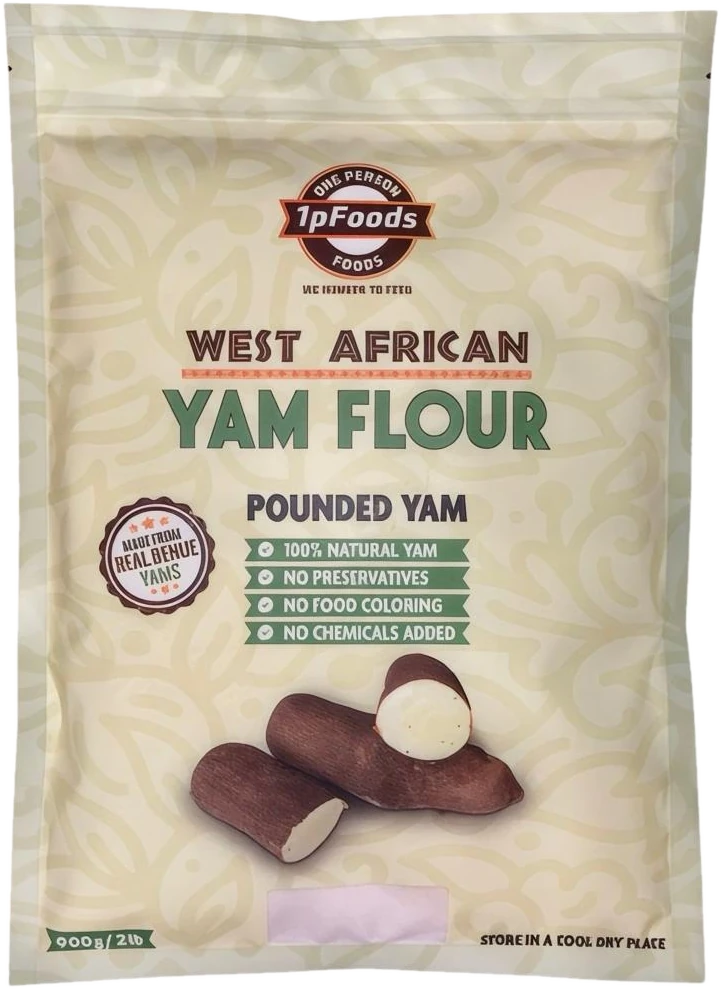
Make the swallow todayPounded yam flour is in stock and ships in 24–48 hours.
Coming soon 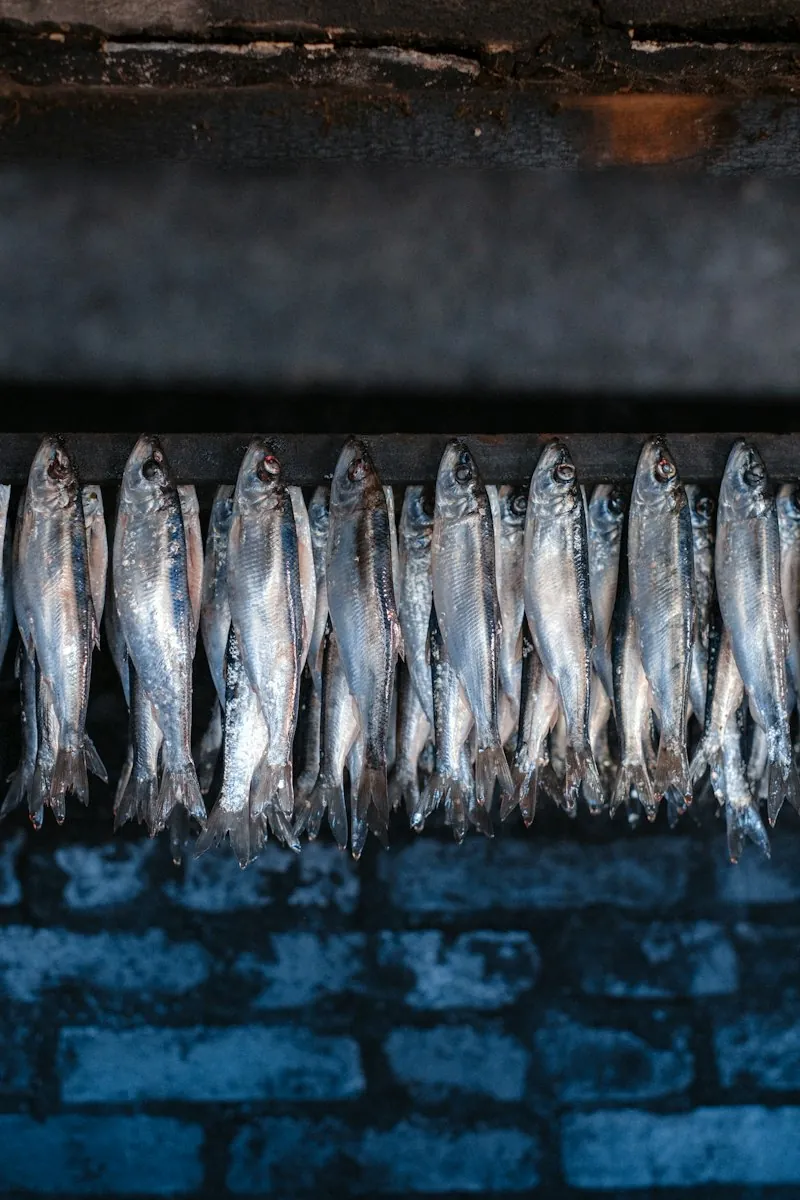
Bonga, shawa, agbodo: names for one small, bony, smoky fish
Bonga is Ethmalosa fimbriata, known in English as bonga shad. FishBase describes a fish of shallow coastal water, lagoons and estuaries that sometimes swims up the lower stretches of rivers. A typical adult is about 25 cm (10 inches) long, and the largest reach roughly 46 cm. Nigeria is one of its main fishing countries, alongside Senegal, Sierra Leone, Ivory Coast and Cameroon. One Nigerian fish guide gives size names, calling small fish yoyo, medium ones efolo and large ones agbodo, and agbodo is also used for the dried product.
Shawa is a common name on packs, but it is a loose one. Some recipe writers and grocers describe shawa as herring or smelt. A label that says bonga, bonga shad or Ethmalosa is a clearer sign of what is inside.
How smoked bonga gets so hard and dry
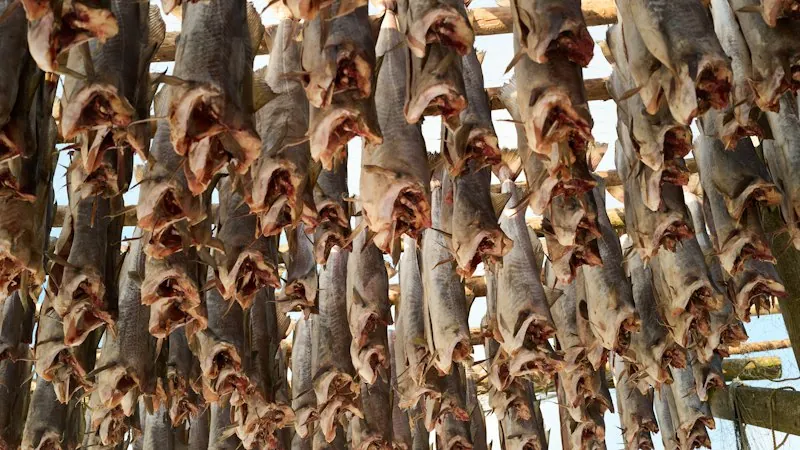
The FAO's report on using bonga in West Africa says hot-smoking is the most popular way to process it. The fish go over the fire whole, ungutted and unscaled, laid in rows and turned often. There are two products. Lightly dried fish are smoked for about six hours and keep only a few days. Hard-dry fish are smoked for three to five days, or over repeated firings, and can last around six months. A study of southern Nigerian markets reports that bonga is smoke-dried for two to five days over a hot wood fire, and that vendors keep re-smoking unsold fish.
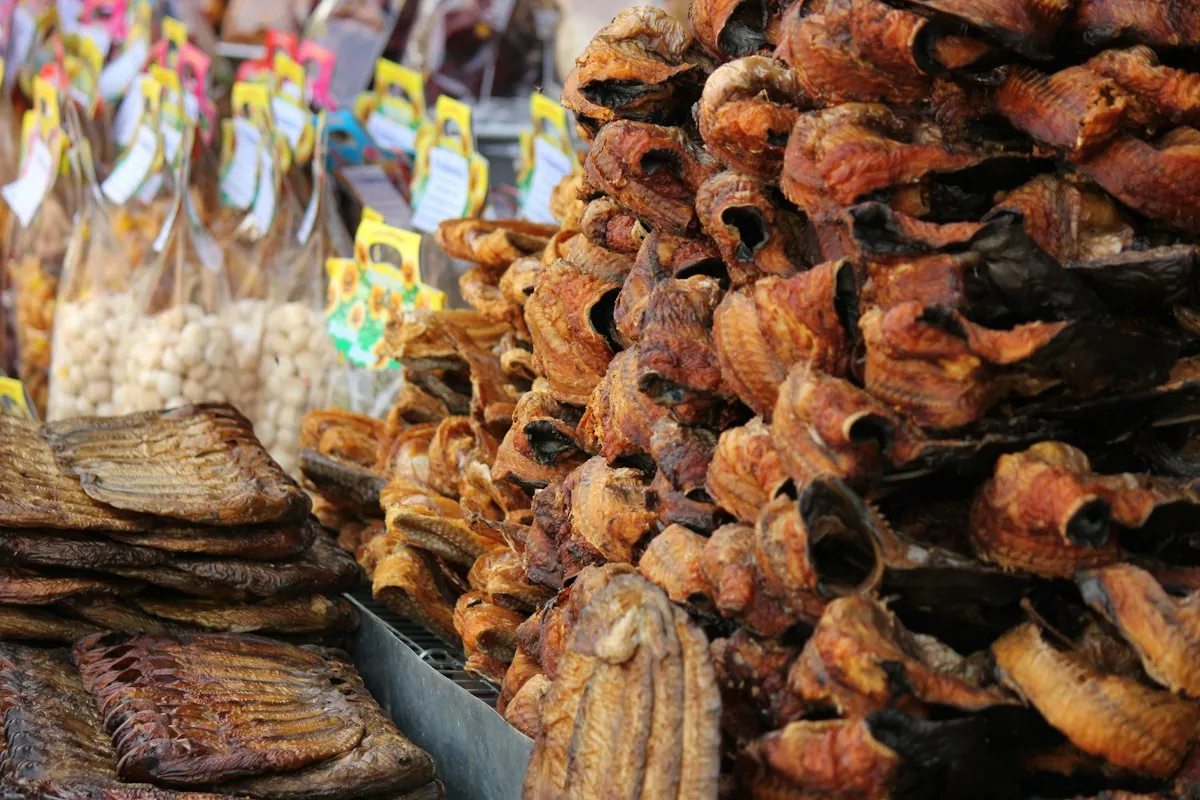
That explains what arrives in the bag: brittle, dark, smoky, with skin that peels away and a full set of small bones still inside.
Cleaning smoked bonga, step by step
- Cover the fish with very hot water. Sources give anything from a few minutes to an hour for very dry fish.
- Drain, then rinse under running water to wash off grit and ash. Throw away the soaking water.
- Peel off the skin. It is already dry and comes away easily.
- Break the body open along its length so the backbone and ribs show.
- Lift the meat off the bones and shred it, checking each handful by touch, because the small bones are easy to miss.
If the soak runs long, put the bowl in the refrigerator rather than leaving it on the counter.
Efo riro: where the fish goes, and when
Bonga rarely stars in a dish. It works as a seasoning that you can also eat, and efo riro, the Yoruba spinach stew, shows the pattern. In one well-known version the fish is shredded first, the pepper base cooks until oil rises to the top, and half the smoked fish goes in at that point so it flavors the sauce. The rest is folded in with the vegetables for the last few minutes. The cook points out that efo riro is nearly water-free, so the fish should add flavor without making it soupy.
Banga soup takes the opposite approach for its smoked fish: it goes in last and simmers only two to three minutes in the soup's own heat, so it keeps its texture. Cooks also drop bonga into stewed beans and the usual soups. Small yoyo are floured and fried and sold as street food, and some cooks mill deboned bonga to a powder and keep it in a clean, dry jar to use as a seasoning. Efo riro is eaten with a swallow, and our 2 lb pounded yam flour is in stock now.
Bonga against the other smoked and dried fish
| Fish | How it is made | What to expect in the pot |
|---|---|---|
| Smoked bonga | Smoked whole, hard-dried over days | Flakes into small pieces, many fine bones, strong smoke |
| Smoked mackerel | Hot-smoked, stays moist, shorter shelf life | Shreds into larger, oilier flakes |
| Dried catfish | Smoked and dried, from fairly soft to very hard | Larger pieces that often stay whole |
| Stockfish | Air-dried, unsalted, not smoked | Chewy, long soak, deep unsmoked flavor |
Choosing a good fish, and when to walk away
The FAO's shelf-life figures give you a way to judge. Hard-dried bonga is meant to last for months, so it should feel dry and stiff from head to tail. A fish that is bendy, greasy or damp was probably dried less and is less likely to keep. Smell it: smoke and fish are right, sour or musty is wrong. Look at the thick part behind the head for white fuzz, and at the folds for ash and grit. Color should run from golden to deep brown, and heavily blackened patches look burnt rather than smoked.
Because the fish is eaten with its skeleton in the pot, be careful with children and with anyone eating in a hurry. Bones are the main reason cooks shred and pick through the meat before it ever reaches the soup.
Keeping it
Hard-dried bonga does not strictly need a refrigerator, but in a humid kitchen a sealed bag or container, kept away from stove steam, protects it, and the freezer is an option once the pack is open. Moisture is the enemy. Fish you have already soaked and shredded is perishable: refrigerate it, cover it, and use it within a few days.
Waiting for bonga: what Notify me does
Bonga is not listed for sale yet. Add your email with Notify me on this page and you will hear when that changes; the product page should then say which fish and form you are getting. For now, the dried fish and seafood category lists everything else on the way, and if you cook efo riro or stew with a lot of seasoning, the ground crayfish page covers the other ingredient that usually goes into the same pot.
Goes well in
Tomato and pepper stewEgusi soupEfo riroOkra soupOgbono soup
Questions
Bonga Fish FAQ
Still have a question?
Real people, happy to help.
Chat on WhatsApp (734) 219-0258 hello@afrifoodsbasket.com Browse all FAQsBonga is a fish that is smoked and dried for Nigerian cooking, and many cooks know it as shawa. It is valued for its smoky, savory flavor and soft flesh that flakes easily into the pot. It is a common everyday fish in stews, egusi, okra soup and efo riro.
Smoked bonga tastes distinctly smoky and savory, and that flavor spreads through the whole pot as it simmers. The flesh is soft and flaky rather than tough, so it blends into a stew or soup. Because the flavor is strong, most cooks start with a modest amount and adjust to taste.
Whole smoked fish can have a lot of small bones. Most cooks rinse the fish, break it into pieces, and flake the meat while picking out the bones, or lift the pieces out of the pot before serving. Go slowly with children and take extra care when eating.
Bonga fish is coming to Afri Foods Basket in the next few months. It is not for sale yet, and we cannot give an exact date. Press Notify me on this page and we will let you know when it is listed. You can already order our pounded yam flour to serve with your stews and soups.
Usually. In Nigerian shops shawa is the everyday name for smoked bonga, a small West African shad called Ethmalosa fimbriata. But the word is loose, and some recipe writers and grocers describe shawa as herring or smelt. If you want true bonga, look for bonga, bonga shad or Ethmalosa on the label, and ask the seller when the name shawa is all you have.
One Nigerian fish guide uses them as size names for bonga: yoyo for small fish, efolo for medium and agbodo for large ones. Other cooking sites also use agbodo as another name for dried bonga. Small yoyo are sometimes floured and fried as street food, while larger fish go into soups and stews. Names vary by seller, so treat them as hints rather than guarantees.
It depends on how hard it was dried. The FAO reports that lightly dried smoked bonga keeps for only a few days, up to about four, while hard-dried fish, smoked over several days, can last around six months. A brittle, dry fish is the safer bet. Keep it sealed in a cool, dry place, and refrigerate or freeze opened packs in a warm or humid kitchen.
Some Nigerian cooks do it. One cooking site describes cleaning the fish, removing the skin and bones, milling it in a dry grinder and keeping the powder in a clean, dry jar to season soups and stews. Because powder takes up moisture easily, use a dry spoon and keep it sealed. Whole fish is easier to check for mould than powder.
More coming soon
Coming soon Coming soon
 Coming soon
 Coming soon