
 Coming soon
Coming soon
Soup Leaves
Ugu, oha, ukazi, uziza and water leaf are the green core of Nigerian soups, with dried pepper for the heat. Read how each is used and chosen, then press Notify me on any page to hear when it is stocked.
 Coming soonComing soon
 Coming soon
 Coming soon
 Coming soon
 Coming soon
About Soup Leaves
What soup leaves are, and why Nigerian soups are built around them
Most Nigerian soups are thick, generous pots meant to be eaten with a swallow such as pounded yam, and pepper soup is the thin, spicy exception. The thick ones are built the same way: a base of meat, fish, stockfish and crayfish, red palm oil, a thickener where the soup calls for one, and leaves stirred in near the end. The leaves decide which soup you are cooking. Ugu and water leaf make edikang ikong, ukazi and water leaf make afang and okazi soup, oha makes ofe oha, and uziza flavors nsala and pepper soup. This category gathers those leaves, plus dried pepper, which supplies the heat in the same pots.
The six items, and the job each one does
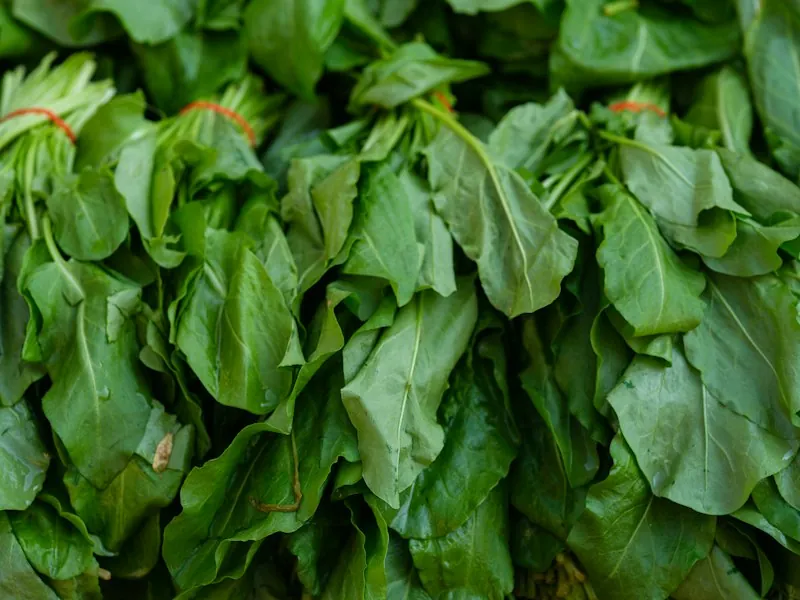
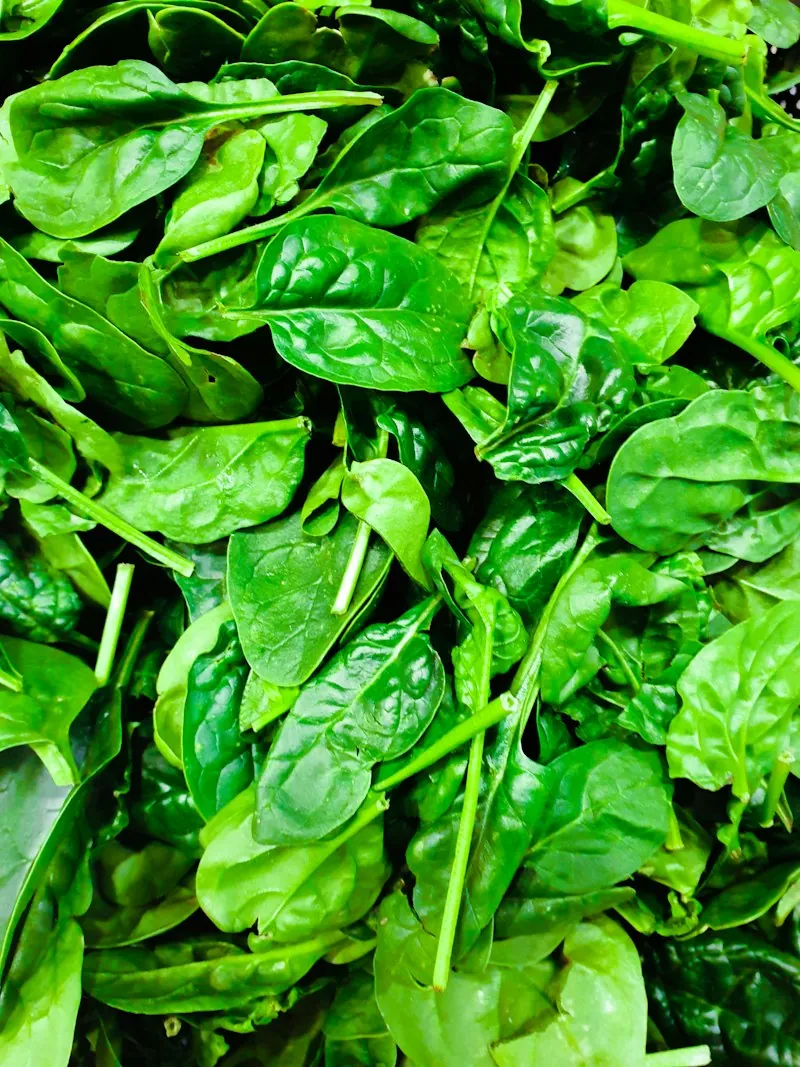
Ugu leaf is the shoot of the fluted pumpkin, soft and quick to cook. It goes into edikang ikong and egusi soup with greens, and gets only a few minutes at the end.
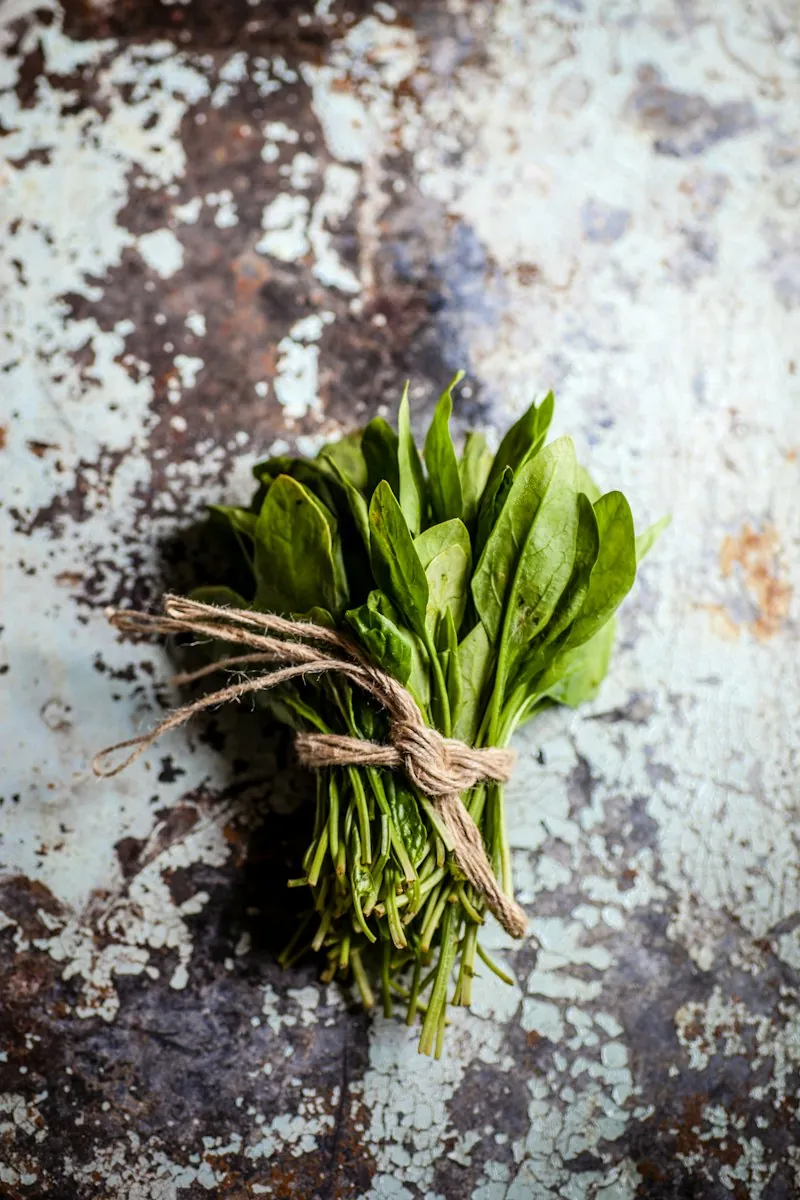
Water leaf is a succulent that gives up liquid as it wilts. It sits beside ugu in edikang ikong and beside ukazi in afang, and it changes how much stock the pot needs.
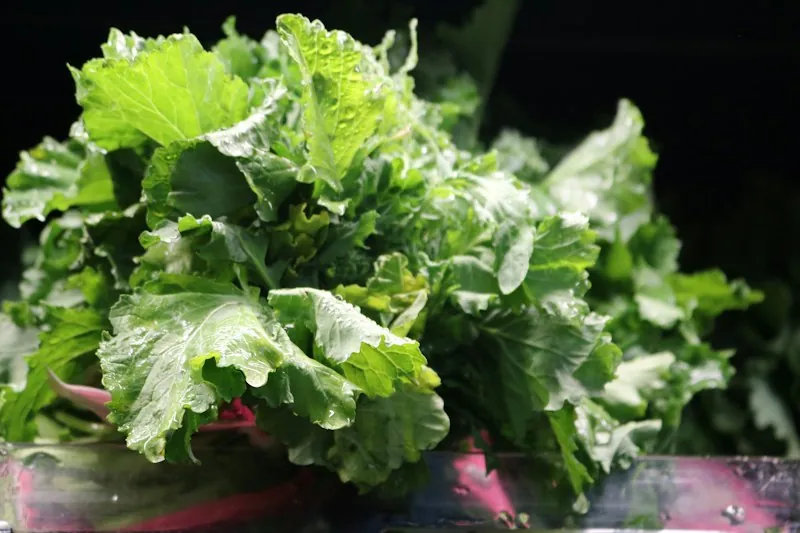
Ukazi leaf, also called okazi, afang or eru, is a tough forest leaf, shredded very fine and paired with water leaf, which softens it.
Oha leaf comes from a tree. It is torn by hand and added at the very end of ofe oha, which is thickened with cocoyam, with barely any cooking.
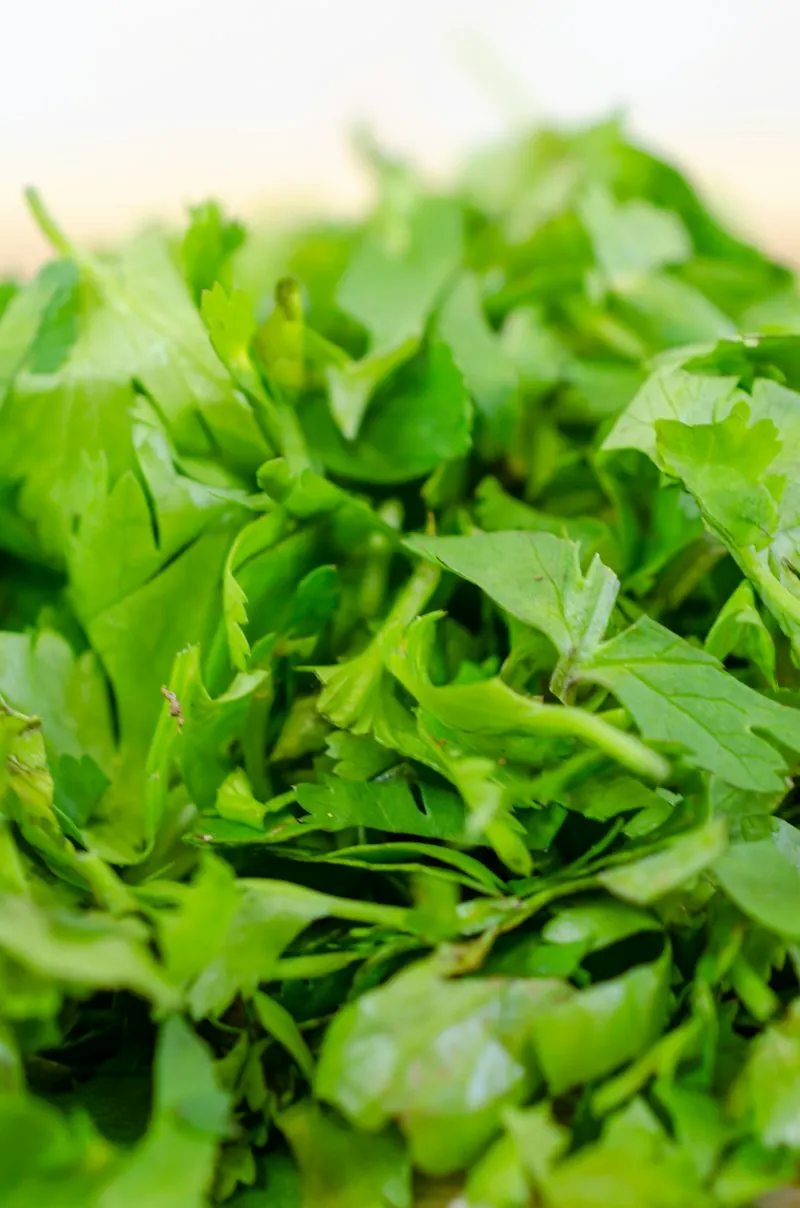
Uziza leaf is a peppery vine leaf, separate from the seed, used as a flavoring in nsala, pepper soup and others.
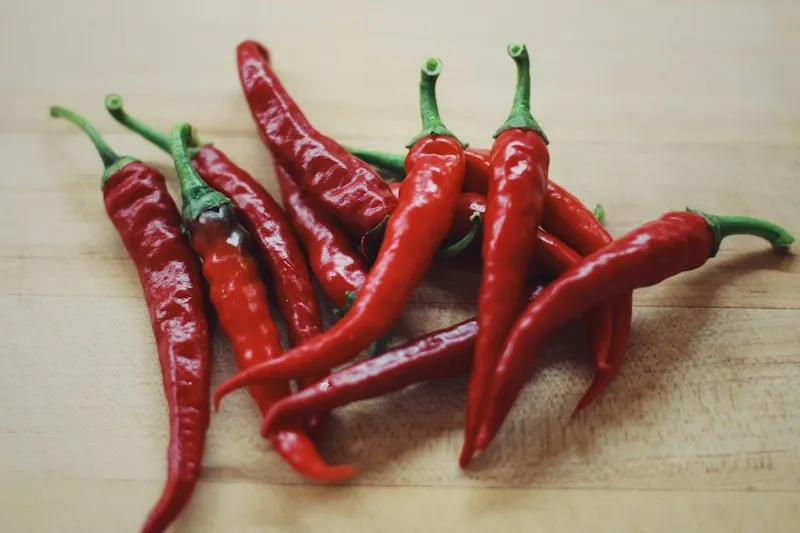
Dried pepper is not a leaf at all. It is dried chilies, whole, crushed or ground, and the label should tell you which chili, because the heat varies enormously.
Which leaf goes in which soup
| Soup | Leaves | What it leans on |
|---|---|---|
| Edikang ikong | Ugu and water leaf | Meat, fish, palm oil, little added water |
| Afang soup | Ukazi (afang) and water leaf | Beef or goat, plus fish, palm oil |
| Okazi soup | Ukazi and water leaf | Achi, ukpo or ofo as thickener |
| Ofe oha | Oha, often with uziza | Cocoyam thickener |
| Ofe nsala | Uziza, with utazi | Catfish, yam, no palm oil |
| Ofe owerri | Ugu and uziza; some add okazi or oha | Cocoyam; cooks disagree on the leaves |
| Egusi with greens | Ugu, spinach, bitter leaf or water leaf | Ground melon seed |
| Pepper soup | Uziza or scent leaf, optional | Chili heat and a spice blend |
Fresh, frozen or dried: how to choose
Each form has a trade. Fresh leaves are the reference for flavor and texture, but they are perishable: a plant reference says ugu stays fresh about a day after harvest and water leaf wilts within hours, while ukazi on the stem is reported to stay fresh for a week or more. Frozen leaves are convenient, though heavy ice or big clumps on a pack can mean it thawed and refroze. Dried leaves keep well and weigh almost nothing, but they need a soak, and quality shows in color, dryness and smell.
This page does not say which forms the store will carry. On any pack, look for even color, no dampness or mold, a clean smell, and a best-before date.
Washing, soaking and cooking-time rules of thumb
Rinse leaves under running water, never with soap, which the FDA says produce can absorb, and wash each kind apart from the others. For dried leaves, use warm, not boiling, water. Seller guidance suggests about 20 to 40 minutes for most leaves, no salt in the soak, and a gentle squeeze afterward.
Toughness sets timing. Published recipes run from about 3 to 10 minutes for finely cut ukazi, 3 to 7 for ugu, 3 to 5 for water leaf, 2 to 10 for uziza depending on how sharp you want it, and from 30 seconds to about 5 minutes for oha. So the order in the pot is the toughest leaf first and the softest last. Add leaves after the proteins and palm oil, and hold back extra stock, because water leaf and ugu release liquid.
Keeping the leaves, and the soup
Wrap fresh leaves loosely in a paper towel, bag them and refrigerate, then cook them soon. Frozen leaves stay in the freezer until you are ready to cook. Dried leaves and dried pepper keep best in sealed jars in a cool, dark, dry cupboard, away from steam. Soaked leaves left over will keep for up to two days in a closed container in the refrigerator, according to the same guide.
For finished soup, the CDC asks for the refrigerator within two hours (one hour on a hot day above 90 degrees Fahrenheit), shallow containers so it cools fast, and reheating of leftovers to 165 degrees. Recipes suggest two to three days in the refrigerator, and a month or more in the freezer.
Three classic pots, and how the leaves work together
Edikang ikong. The meats go in first, and palm oil, crayfish, stockfish and snails or periwinkles follow. Water leaf gets a few minutes, then ugu a few more at the end.
Ofe oha. Stockfish, meat and cow skin, then crayfish, palm oil and the cocoyam paste. One careful recipe adds sliced uziza for a minute or two, then folds in the torn oha at the very end.
Afang. Beef or goat and fish with crayfish and palm oil. The finely cut or blended ukazi and the water leaf go in last and need a few minutes.
All three want a swallow, and pounded yam flour is the one in stock now. The thickeners that go with them, including achi, ofo and ogbono, are in the soup thickeners category.
What coming soon means here
None of the six items on this page is for sale yet, and there are no dates to give. Every product page has a Notify me form that takes your email address, and that is how you will hear when an item is added. Sign-ups also show us which items people want first, so pressing it on the leaf you would actually cook with is the most useful thing you can do.
Launch list
Be first in line — get 15% off launch day
Tell us what you're waiting for. We'll email you once when it arrives, with a launch-day code.
No spam. One email per launch. Unsubscribe any time.15%OFF
Launch-day code
FIRSTINLINE
For waitlist members only