
 Coming soon
Coming soon · Coming in the next few months
Ogbazuru
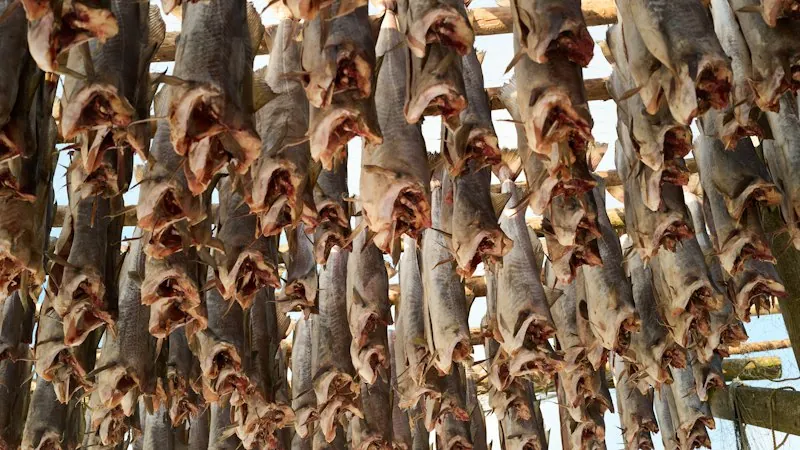
Big-flavour dried fish for ofe owerri and oha.
Ogbazuru is a dried fish that Igbo cooks use to add big, savory fish flavor to rich soups. It turns up in ofe owerri and oha, usually alongside stockfish, crayfish and assorted meats.
Coming soonComing in the next few months
We are getting Ogbazuru ready for Afri Foods Basket. Leave your email and we'll send one message the day it lands.
No spam. One email per launch. Unsubscribe any time.
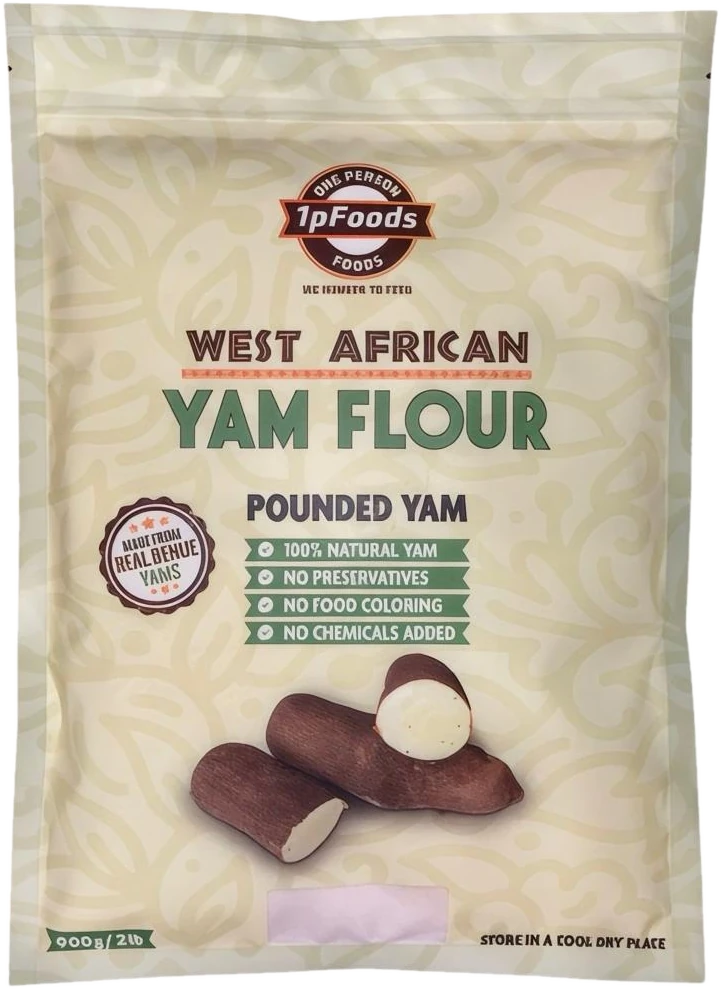
Make the swallow todayPounded yam flour is in stock and ships in 24–48 hours.
Coming soon 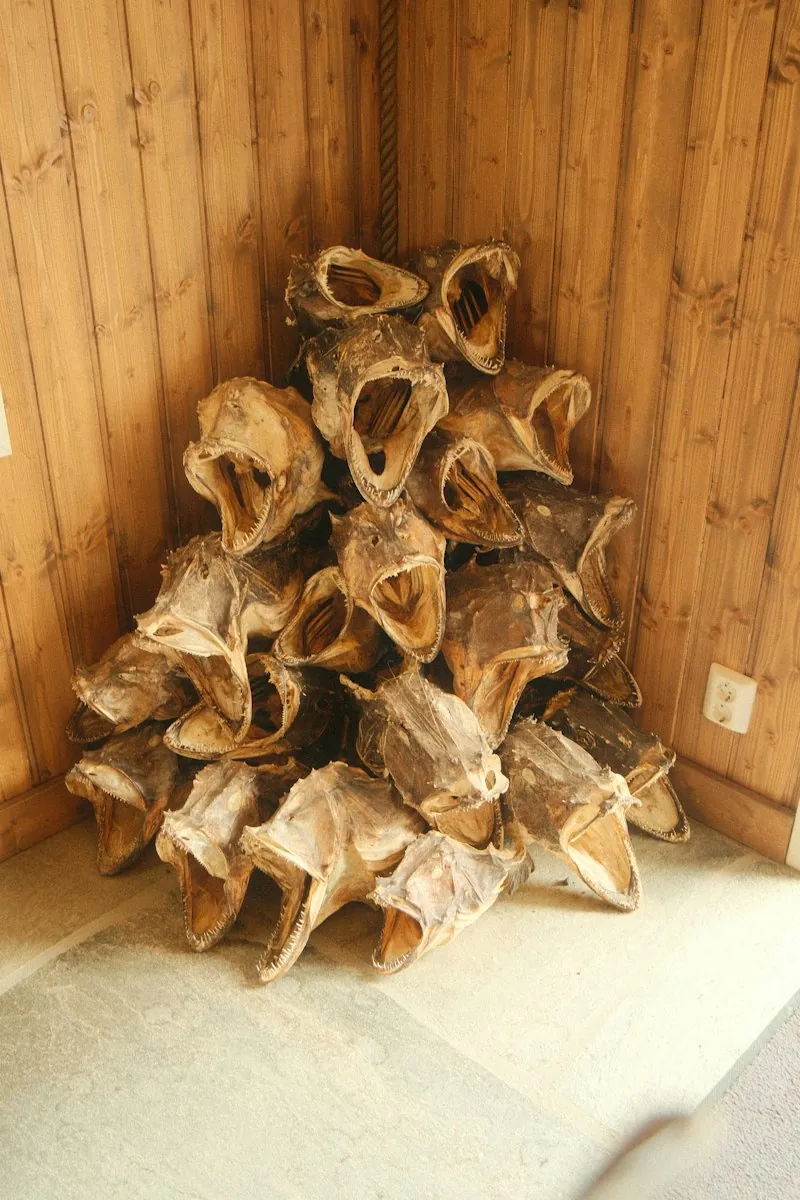
What to know about ogbazuru before it is listed
This page covers ogbazuru, a name described as an Igbo dried fish for soups such as ofe owerri and oha, though that description is not confirmed on any outside page. It does not name a species, size or flavor for ogbazuru. The only matches for the spelling elsewhere are unrelated: the Ogba people and their language, and a few place names. Sharing letters proves nothing about a fish, so this page draws no connection. The full description and ingredients (species, cut, how it was dried or smoked) will be shown on this page when the product is listed, and until then the label on the pack is the authority.
That is why this page teaches the soups instead. If ogbazuru is the fish your family uses, you will know where it belongs in the pot. If it is not, you will still cook a better pot.
How an Igbo soup layers its fish: ofe owerri step by step
Ofe owerri comes from Owerri, in Imo State, and it is described as one of the costliest Igbo soups because of how much goes in. Sisi Jemimah's recipe calls for 600 grams of assorted meats, including snail, beef, goat, ponmo, shaki and cow leg, plus stockfish, smoked fish, crayfish and smoked prawns.
The order is the lesson. The toughest meats, cow leg, shaki and ponmo, boil first until slightly tender. Softer beef follows. Only when every meat is tender do the stockfish and smoked fish go in. The cooking liquid becomes the soup, so it is seasoned at that stage. Palm oil, ogiri (a fermented seasoning) and the vegetables arrive in stages: the smoked fish first, then okazi leaves, and finally ugu and uziza so they keep some texture. Cocoyam, boiled, peeled and pounded smooth, thickens the soup, and the recipe names achi, cocoyam powder and even ground oatmeal as stand-ins.
Oha and bitterleaf soup: the same logic, different leaves
Oha soup is built around oha leaves, the leaves of the Pterocarpus mildbraedii tree, with uziza, achi as the thickener, meat, crayfish, palm oil and salt. Bitterleaf soup, ofe onugbu, depends on washing the leaves hard enough to tone the bitterness down. One recipe boils the leaves in two rounds of 30 minutes, with a rinse between. The same recipe uses 500 grams of precooked stockfish and one or two dry fish, adds ground crayfish and ofo powder, and puts the leaves in near the end. Another recipe cooks the stockfish until soft, treats smoked fish as optional, and gives the leaves only two or three minutes.
Across all three soups, the proteins are cooked first and the leaves go in last. A soup like this is assembled in layers, not simmered all at once.
The jobs a fish does in an Igbo pot
| Job in the pot | What the recipes use | When it goes in |
|---|---|---|
| Long-cooked backbone | Stockfish | Once the meats are tender, then cooked until soft |
| Smoked or dried fish | Smoked fish, or one or two dry fish | After the meats, before the leaves |
| Seafood seasoning | Ground crayfish, smoked prawns | With the pepper and stock base |
| Thickener | Cocoyam, achi, ofo powder | After the proteins, in small portions |
| Leaves | Okazi, ugu, uziza, bitterleaf, oha | Last, for a few minutes |
An unidentified dried fish belongs in the second row. Its flavor is the part you cannot predict, so everything else in the pot should stay as the recipe says.
A worked example: bitterleaf soup from precooked parts
The mydiasporakitchen recipe shows how modular these soups are. Everything that needs long cooking is done beforehand: the meat, the cow foot, the stockfish and the leaves. In the soup pot, salted water takes the ground crayfish and Cameroon pepper, then the precooked proteins, palm paste or oil and ogiri go in. Ofo powder is dissolved in hot broth and stirred in to thicken, and the washed bitterleaf and uziza finish the pot. The recipe puts the cooking at about 30 minutes, plus 10 for preparation, once the leaves and proteins are ready. That structure suits experiments: cook your test fish separately, taste it, and only then decide whether it belongs in the soup.
Changing one fish without breaking the soup
If a recipe asks for ogbazuru and the shelf has something else, treat the swap as an experiment. Soak a small piece in warm salted water until it gives when pressed; for dried catfish, published guidance puts that at 10 to 20 minutes. Remove bones and hard skin, then taste a flake and the soaking water for salt. Add one piece to the pot after the meats are tender, taste the broth, and add more only if the soup wants it. Salt last, because stock, seasoning cubes, crayfish and fish each carry some.
A smoked fish such as mud fish, which points to smoked catfish, fits that second slot well, because the recipes call for smoked fish at that stage.
What to serve it with
Ofe owerri is typically eaten warm with pounded yam, fufu, eba or semolina, and oha soup with akpu, garri, pounded yam or semolina. Pounded yam made from our in-stock pounded yam flour is one way to serve them.
Keeping a big pot of leaf soup safe
Leaf soups are made in large batches, so plan for leftovers. The CDC advises getting perishable food into the refrigerator within two hours, or one hour in a room above 90 F, and keeping the refrigerator at 40 F or colder. Cool the soup in shallow containers if you can, refrigerate it covered, and reheat it until it is steaming hot throughout.
Hearing if ogbazuru is listed
Ogbazuru is a coming-soon page with no date. Use the Notify me form here if you want an email when that changes. The rest of the category shows which names are already explained.
Goes well in
Ofe owerriOha soup (ofe oha)Ofe onugbu (bitterleaf soup)Egusi soupOgbono soup
Questions
Ogbazuru FAQ
Still have a question?
Real people, happy to help.
Chat on WhatsApp (734) 219-0258 hello@afrifoodsbasket.com Browse all FAQsOgbazuru is a dried fish used to add big, savory fish flavor to rich Igbo soups, especially ofe owerri and oha. Cooks soften it, break it into pieces and simmer it in the pot with stockfish, crayfish and meats. It is a cooking ingredient rather than a snack.
In most kitchens, yes. Wash it and soak it in warm water until the pieces begin to soften, which also loosens grit. Tougher pieces may need a short boil first. Then break it up, remove any hard bits, and add it to the soup pot.
Cooks differ, but dried fish is more often used alongside stockfish than in place of it, because the two taste and cook differently. Using several kinds of fish and meat together is part of what gives ofe owerri its rich, layered character.
Ogbazuru is coming to Afri Foods Basket in the next few months. We do not have an exact date to share yet. Press Notify me on this page and we will send you a note as soon as it is ready to order.
It may be a regional market name, but that is not confirmed. It does not appear in an Igbo dictionary, a fish catalogue or recipe sites, and the only matches for the spelling are unrelated results about the Ogba people. If a seller offers ogbazuru, ask what fish is in the pack and where it was caught.
In Sisi Jemimah's recipe, stockfish and smoked fish go in alongside crayfish and smoked prawns, with assorted meats such as snail, beef, goat, ponmo, shaki and cow leg. The stockfish and smoked fish are added once the meats are tender. The leaves, okazi, ugu and uziza, come last.
Published recipes for these soups start with the toughest meats, add softer meats, then stockfish and smoked fish once everything is tender. Crayfish, palm oil and a thickener follow, and the leaves go in last for only a few minutes so they keep some texture. Taste before you finish seasoning.
Sisi Jemimah's ofe owerri recipe uses cocoyam that is boiled, peeled and pounded smooth, and it names cocoyam powder, achi and even ground oatmeal as alternatives. Add the thickener in small portions and stop when the soup is semi-thick. Oha soup is traditionally thickened with achi.
More coming soon
Coming soon Coming soon
 Coming soon
 Coming soon