
 Coming soon
Coming soon · Coming in the next few months
Panla Fish
Dried hake — a firm Lagos-kitchen favourite.
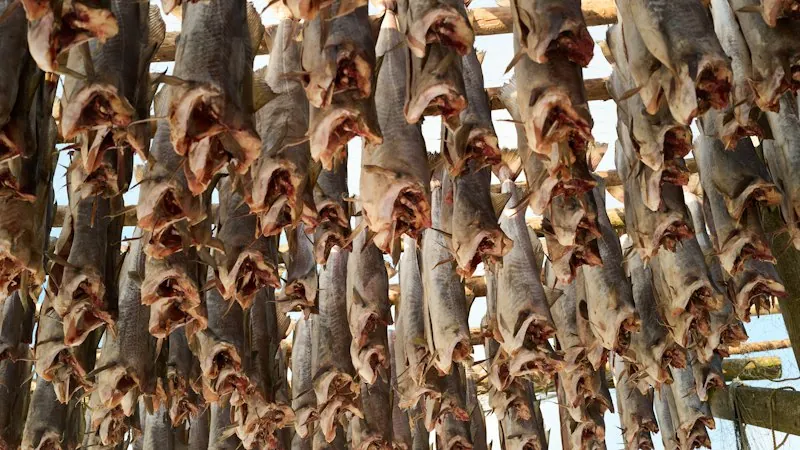
Panla is the name Nigerian cooks use for dried hake, a fish with firm, meaty flesh that stays in chunks in the pot. It is soaked and simmered in egusi, okra soup, efo riro and tomato stew.
Coming soonComing in the next few months
We are getting Panla Fish ready for Afri Foods Basket. Leave your email and we'll send one message the day it lands.
No spam. One email per launch. Unsubscribe any time.
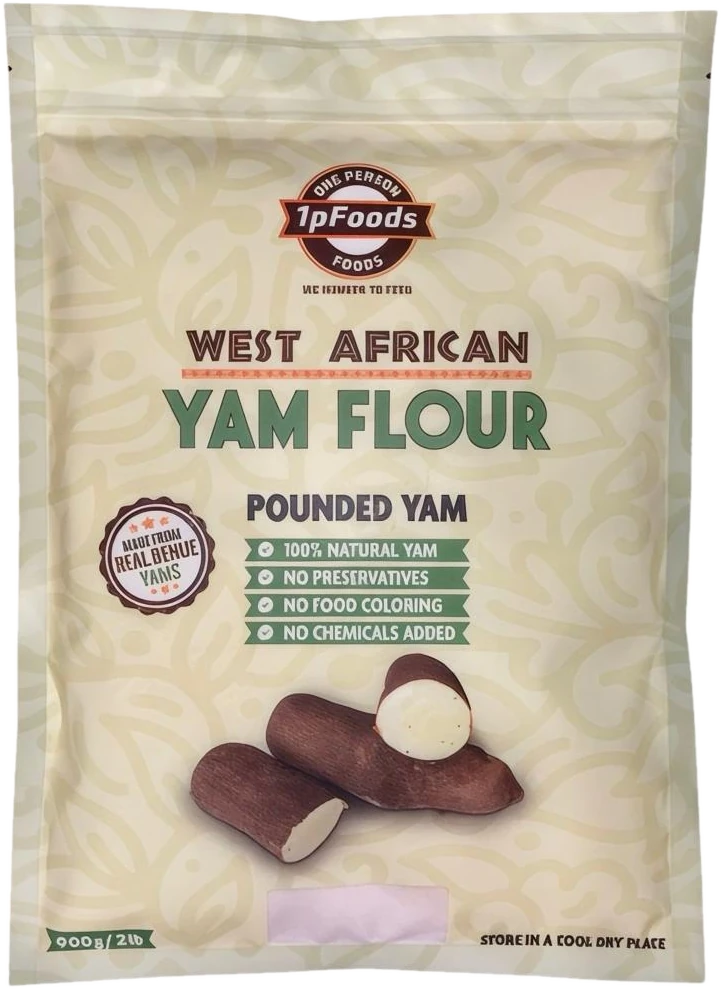
Make the swallow todayPounded yam flour is in stock and ships in 24–48 hours.
Coming soon 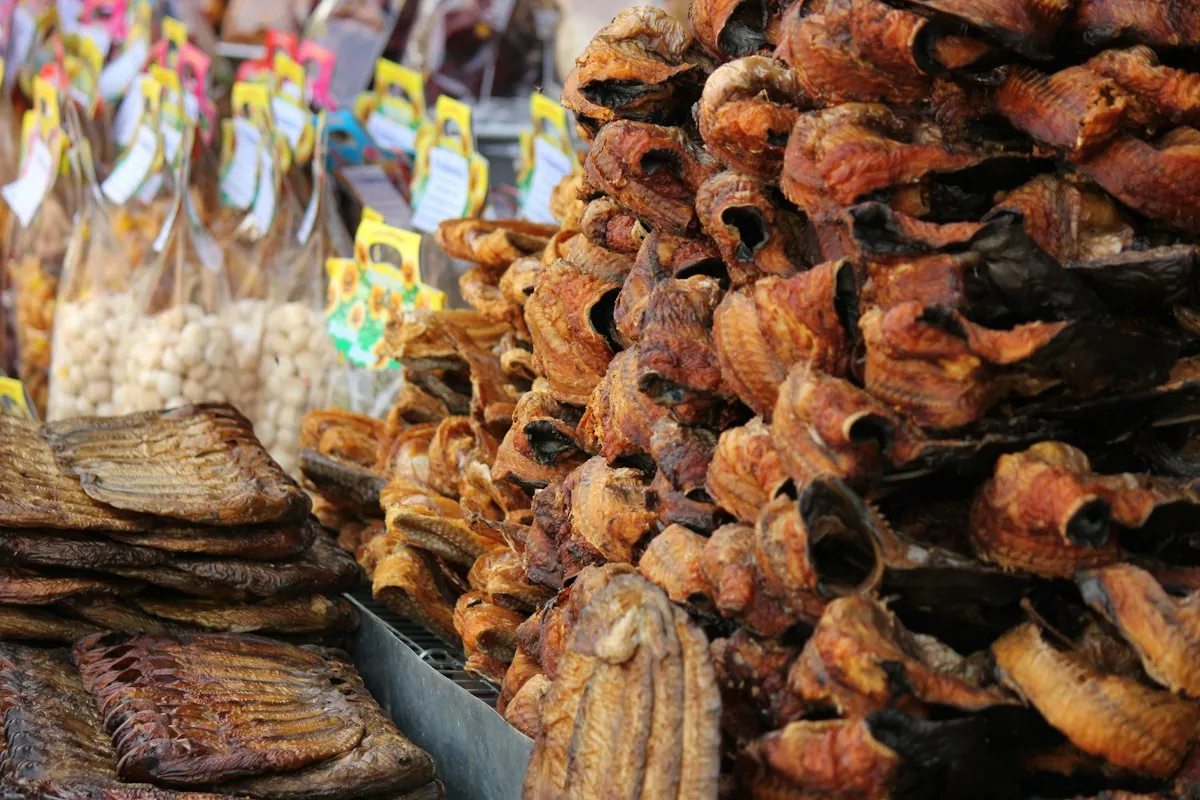
Panla is a name with several jobs, so check what your pack means
Among the dried fish names in this range, panla is one of the slipperiest. Here is what the sources say.
- Stockfish. The Norwegian Seafood Council's stockfish guide says that in Nigeria stockfish is known as okporoko or panla, a Nigerian business outlet likewise reports that Yoruba speakers call stockfish panla, and a popular white soup recipe lists its ingredient as stockfish/panla.
- Hake. African grocers list frozen hake as panla, and smoked, dried hake as panla or eja kika, a Yoruba name for smoke-dried fish.
- Cod. One Nigerian recipe blog calls smoked panla smoked cod, and another site treats panla as the fresh form of the fish that becomes stockfish.
This page follows the hake reading, because that is how most African grocers in the US list the smoked product. But the name alone does not prove the species, and the term eja kika may cover more than one fish. If the pack says only panla, ask which fish it is and whether it was smoked or air-dried.
What hake is, and what that means in the pot
Hakes are lean, white-fleshed relatives of cod in the genus Merluccius. Fresh hake is a gentle fish: NOAA describes Pacific whiting, a hake, as mild and slightly sweet, with soft flesh that flakes less than cod or pollock. FishBase places the Senegalese hake off northwest Africa, well north of Nigeria, so panla in a Nigerian or American kitchen is generally a traded fish, and the species behind any particular pack is not established, so the label is the best guide.
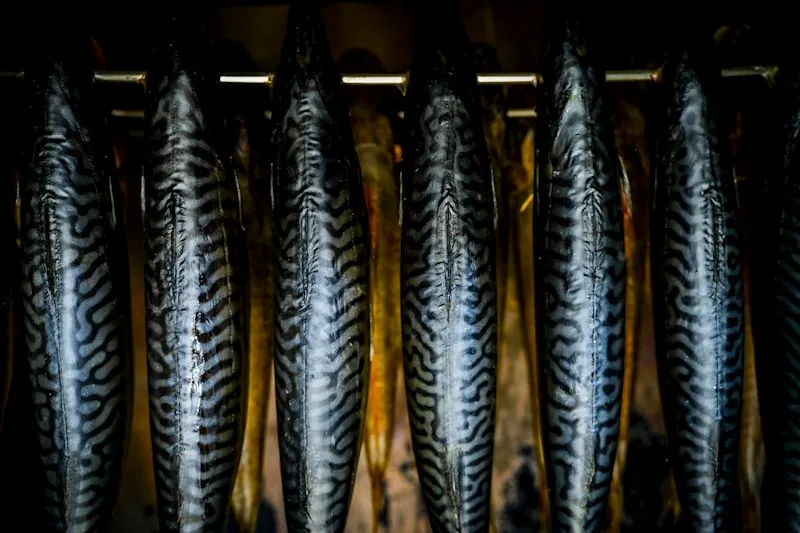
Smoked and dried, the fish changes completely. One US retailer describes its smoked panla as golden and crisp, and another advises an overnight soak. A recipe blogger who cooks it describes the flesh as tender enough, once simmered, to soak up the stew.
Panla and stockfish side by side
| Feature | Smoke-dried panla | Stockfish |
|---|---|---|
| Fish | Hake, according to US grocer listings | Cod, saithe, tusk or haddock, per the Norwegian guide |
| How it is dried | Smoked and dried | Air-dried outdoors, unsalted, no smoke |
| Preparation | Overnight soak, or pressure cooking, per one retailer | Days of cold soaking, or a hot soak and long boil |
| Flavor | Smoky | Deep and savory without smoke |
| Cooked texture | Tender | Chewy |
Different tools, then. Panla gives a smoky, soft backbone to a pot. Stockfish gives chew and an unsmoked depth.
Obe eja kika: a smoked panla stew, step by step
A community cookbook recipe for this Yoruba stew runs as follows. Grind tomatoes, habanero, red tatashe peppers, green bell pepper and onion. Cook that mixture in palm oil and vegetable oil for ten to fifteen minutes. Add fish seasoning powder, shrimp powder, salt and a stock cube together with the panla, pour in water, and simmer gently for another ten to fifteen minutes. Finish with scent leaf and serve with rice, pasta or boiled yam.
Another Nigerian recipe blog does it differently. The fish is washed and seasoned with pepper, onion, crayfish seasoning and salt, then steamed for about five minutes with very little water. Onions fry in smoking palm oil for two minutes, tomato and pepper cook until the sauce dries, and the fish goes in with its steaming liquid for another ten to fifteen minutes. Effirin leaves go in at the end, and it is served with fried plantain or boiled yam.
Soaking, pressure cooking and the snack route
One US seller advises soaking its dried panla overnight, or cooking it in a pressure cooker for fifteen to twenty minutes on high. If you soak overnight, do it in the refrigerator: the CDC's limit for perishable food at room temperature is two hours. Smoked panla listings name eru soup and efo riro as typical homes for the fish. Others describe it as a snack eaten with soaked garri, so some people buy it just to nibble.
Is panla a cheaper stand-in for stockfish?
It is a fair question, since stockfish prices are in the news. A Nigerian business outlet reports a bag of stockfish costing about five times the price of everyday fish like croaker, and a Norwegian Seafood Council director has said the cod catch is at its lowest since 1991. But no published source compares panla's price with stockfish's, so this page makes no price claim. What is clear is that the swap is not neutral. Replace stockfish with panla and you should expect a smokier, less chewy result.
Frozen panla is a different product
Search for panla and you will also find frozen hake, sold whole with the head on or off and as steaks, and described by retailers as suited to grilling, frying or stock. That is fresh-style fish cooked in the usual way. Everything on this page is about the dried and smoked form.
Reading the pack
US allergen labeling rules call for the type of fish to be declared, so a pack sold here will usually say hake or cod somewhere. Check that line first. Then check whether the fish is whole or cut, gutted or not, and smoked or air-dried. Those three details predict how long you will soak it and what flavor to expect.
Panla: not yet in stock
Panla fish is not in stock yet. Press Notify me on this page if you want an email when it is listed. Its natural neighbors are smoked bonga, which is also smoke-dried, and mangala, another dried fish with an unsettled name. Efo riro and eru both go well with a swallow, and you can order our 2 lb bag of pure pounded yam flour today. The full list is in the dried fish and seafood category.
Goes well in
Egusi soupOkra soupEfo riroOgbono soupFish stew for rice or yam
Questions
Panla Fish FAQ
Still have a question?
Real people, happy to help.
Chat on WhatsApp (734) 219-0258 hello@afrifoodsbasket.com Browse all FAQsPanla is the market name Nigerian cooks use for dried hake, a fish with firm, meaty flesh. It is widely used in everyday cooking, added to soups and stews for flavor and substance. Names for dried fish vary between sellers, so some cooks may use a different name for similar fish.
Yes. Soak it in warm water until it turns pliable, then rinse well and trim off any tough fins or hard bits. Thicker pieces need longer. After that, simmer it in the soup or stew until tender. Taste your dish before adding salt, as dried fish brings its own saltiness.
Both are dried, but stockfish is cod air-dried until rock hard, so it needs a long soak and slow boiling and brings a strong, deep flavor. Panla is a different fish, described as hake. Many cooks find it easier to prepare and milder in taste, so it sits well in a mixed pot.
Panla fish is coming to Afri Foods Basket in the next few months. It is not for sale yet, and we cannot give an exact date. Press Notify me on this page and we will let you know when it is listed. Our pounded yam flour is on sale now, for serving with egusi or okra soup.
Eja kika is a Yoruba name for smoke-dried fish. In US African stores it usually appears as smoked panla, sold as hake, and listings name efo riro and eru soup as typical uses. A general reference notes that the term can cover more than one type of fish, so check the pack for the species and ask the seller if it is not stated.
One US seller of dried panla suggests either soaking it overnight or pressure cooking it for fifteen to twenty minutes on high. If you try a pressure cooker, follow your cooker's manual, then rinse the fish and pick out any hard bones before adding it to your stew. If you soak overnight, keep the bowl in the refrigerator.
Sources disagree. Most US African grocers sell panla as hake, usually smoke-dried. The Norwegian Seafood Council says panla is a Nigerian name for stockfish, which is cod or a close relative, and one recipe blog calls smoked panla smoked cod. Read the species line on the label, and if it only says panla, ask the seller which fish it is.
Not directly. Frozen panla is hake sold fresh-style, whole or in steaks, and retailers describe it as fish for grilling, frying or stock. Dried, smoked panla is a seasoning fish that needs soaking and adds smoke. Frozen hake is soft and cooks quickly, so add it near the end of a recipe and expect much less smoky flavor.
More coming soon
Coming soon Coming soon
 Coming soon
 Coming soon