
 Coming soon
Coming soon · Coming in the next few months

Yellow Fish
Everyday dried fish for egusi and okra.
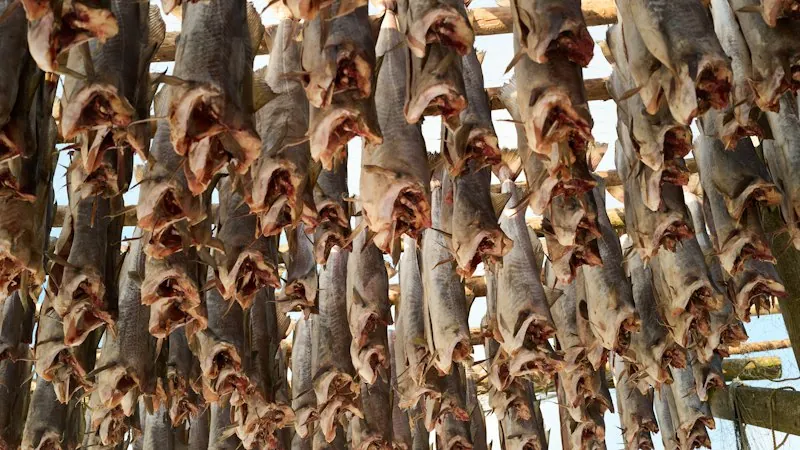
Yellow fish is the market name for a dried fish that Nigerian cooks reach for in everyday soups, especially egusi and okra. It softens as it simmers and gives the pot a savory fish flavor.
Coming soonComing in the next few months
We are getting Yellow Fish ready for Afri Foods Basket. Leave your email and we'll send one message the day it lands.
No spam. One email per launch. Unsubscribe any time.
Make the swallow todayPounded yam flour is in stock and ships in 24–48 hours.
Coming soon 
What to know about yellow fish before it is listed
This page covers yellow fish and how to choose a dried fish with a vague name. Page through grocers' lists of Nigerian dried fish and you meet catfish (eja aro), asa (eja osan), abo, panla, bonga (shawa), mangala, mackerel and barracuda. Yellow fish is not among them. This page does not name a species, size or flavor for it, or say that it is a single species. In English, the words may simply describe a fish that looks yellow, and one seller may use them for one fish while another uses them for something else. The full description and ingredients (species, cut, how it was dried or smoked) will be shown on this page when the product is listed, and until then the label on the pack is the authority.
Until then, the useful thing to offer is a way of deciding, so that a pack labeled yellow fish, or any dried fish with an unclear name, does not catch you out.
What color tells you about smoked fish
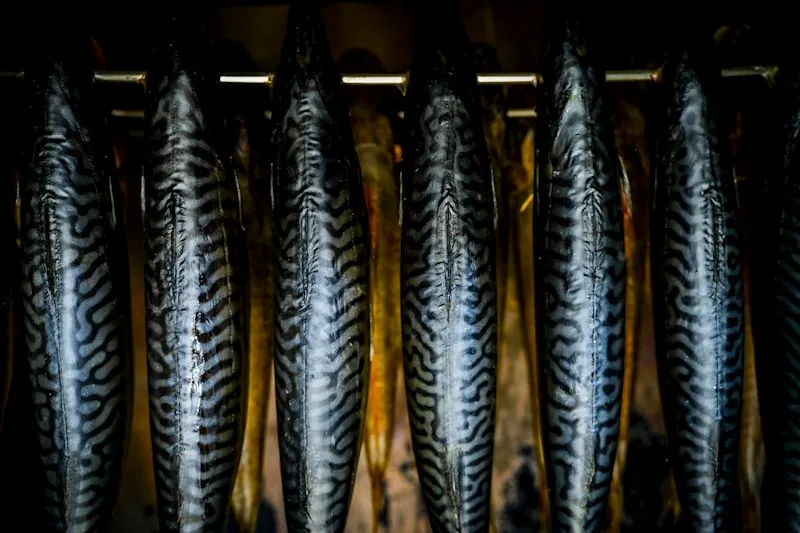
The advice note on hot smoking from the Torry Research Station, published by the FAO, describes a properly smoked fish as dark to golden brown with a silky sheen on the skin. So a golden or yellowish tone is a normal result of smoke, and it says nothing about the species. Color is still worth reading for what it can reveal about condition. White fuzz or powdery patches may be mould. The same note warns that smoked fish packed while still warm grows moulds readily, so a bag with moisture inside it is a bad sign, and so is any sour, musty or ammonia-like smell.
Choose by the job, not by the name
When the name does not help, ask what you want the fish to do in the pot. The pages below describe fish whose names are better documented. None of them is a claim that it is the same fish as yellow fish.
| If you want | Look at | What sellers and references say |
|---|---|---|
| A smoked fish that flakes into a stew | Bonga fish | Sold as smoked bonga, called shawa, and described by sellers as flaky. FishBase lists bonga shad as a coastal fish landed in Nigeria and other West African countries. |
| Thin dried pieces for vegetable soups | Abo fish | Described by sellers as dried sole, a flatfish. |
| A hake-style dried fish for everyday pots | Panla fish | Most listings call it dried hake, though names vary by seller. |
| Thick smoked pieces with a bone | Catfish round | Smoked catfish sold in rounds. |
Okra soup as a test pot for an unfamiliar fish
Okra soup is a good place to try something new, because a published recipe treats the protein as flexible. That recipe uses four deboned smoked mackerel fillets. The pepper base cooks for ten minutes with water, then the fish simmers for ten more minutes with ground crayfish before prawns go in. The recipe says a pot made only with smoked fish is the affordable version, and that beef, goat or mixed seafood can be added to make it richer. It serves eight.
For a test, replace only part of the fish. Soak a piece of the unfamiliar fish, break it up, remove bones and add it at the same stage as the recipe's fish. After ten minutes, taste the broth. If the fish tastes strong, leave it at one piece. If it disappears, add another next time. Season at the end. The recipe serves okra soup with eba, amala or pounded yam, and our pounded yam flour covers that last choice.
A shelf check for a dried fish with no clear name
- Dryness. The pieces should feel dry all through, with no tackiness or damp spots.
- Whole or crumbled. A bag of crumbs and dust gives you less to cook with and is harder to check for bones.
- Smell. Smoky and fishy is expected. Sour, musty or ammonia-like is not.
- Label. Look for an English name, a Latin name, where the fish was caught, how it was processed and a best-before date.
- Weight. Ask for grams or ounces, not a piece count.
Anyone with a fish allergy should read the label on every dried fish product and on seasoning blends, since fish is one of the nine major allergens on the US list.
Five questions to put to any seller of yellow fish
A vague name deserves a specific question, and a good seller will not mind being asked. Ask what the English name of the fish is and whether the Latin name is known. Ask whether it was smoked, sun-dried, air-dried or salted, because that decides how long it needs to soak. Ask which country or water it came from. Ask whether the fish is sold whole or cut, and request a photo of an actual piece, with a coin or a hand beside it for scale. If the answers are all "that is what we call it", you know how much weight the name can carry. If they are specific, write them down, because next time you can ask for the same fish by its details rather than by a nickname.
Is it salted? Taste before you season
Some dried fish is salt-treated, and one West African cooking guide says the soaking water for Ghanaian koobi has to be changed once or twice. A salty first soak means the water should be changed before a second one. Whatever the fish, taste the pot before adding salt or seasoning cubes.
Hearing if yellow fish is listed
Yellow fish is a coming-soon page, not a product you can order. Add your email to the Notify me form here and you will hear if that changes; no date has been set. The whole category is in one place if you want to compare names meanwhile.
Goes well in
Egusi soupOkra soupEfo riroOgbono soupNigerian tomato and pepper stew
Questions
Yellow Fish FAQ
Still have a question?
Real people, happy to help.
Chat on WhatsApp (734) 219-0258 hello@afrifoodsbasket.com Browse all FAQsIt is best understood as a market name. Sellers and cooks use it for a dried fish with a yellowish or golden tone, and what is sold under the name can differ between markets. That is why we suggest judging the fish by how it looks, smells and cooks, and reading the pack.
Yes, egusi soup is one of its most common uses. Soak the fish in warm water, break it into pieces, remove bones, and add it to the soup once the ground melon seeds have cooked in the palm oil. Stir in leafy vegetables near the end.
Store the fish in an airtight container or well-sealed bag, and keep it in the refrigerator or freezer if you use it slowly. Soak it in a bowl rather than under a running tap, and ventilate the kitchen while it simmers. Wash the soaking bowl and your hands with hot, soapy water afterward.
Yellow fish is coming to Afri Foods Basket in the next few months. Press Notify me on this page and we will contact you when it is ready to order. We cannot promise an exact date yet, but our pounded yam flour is available now.
Possibly, but what the name means is not documented. Properly smoked fish is described as golden to dark brown, so a yellowish tone can simply come from smoke. Color alone cannot identify a species. Ask the seller for the English or Latin name, where the fish was caught and how it was processed.
That cannot be said, because it is not documented what yellow fish is. Decide by the job you want it to do: flaky smoked fish, thin flatfish pieces, hake-style pieces or thick catfish. The table on this page matches those jobs to pages on this site, but none of them is a claim that it is the same fish.
Not on its own, since golden tones are normal for smoked fish. Look at everything else. White fuzz or powdery patches, a damp or slimy feel, and sour, musty or ammonia-like smells are reasons to throw the fish away. If you are unsure whether it is safe, do not cook it.
One published okra soup recipe cooks the pepper base for ten minutes, then simmers smoked fish for another ten with ground crayfish. Use a single soaked piece of the new fish, remove the bones, and taste the broth before adding more. Keep salt for the end, because stock, crayfish and fish all add some.
More coming soon
Coming soon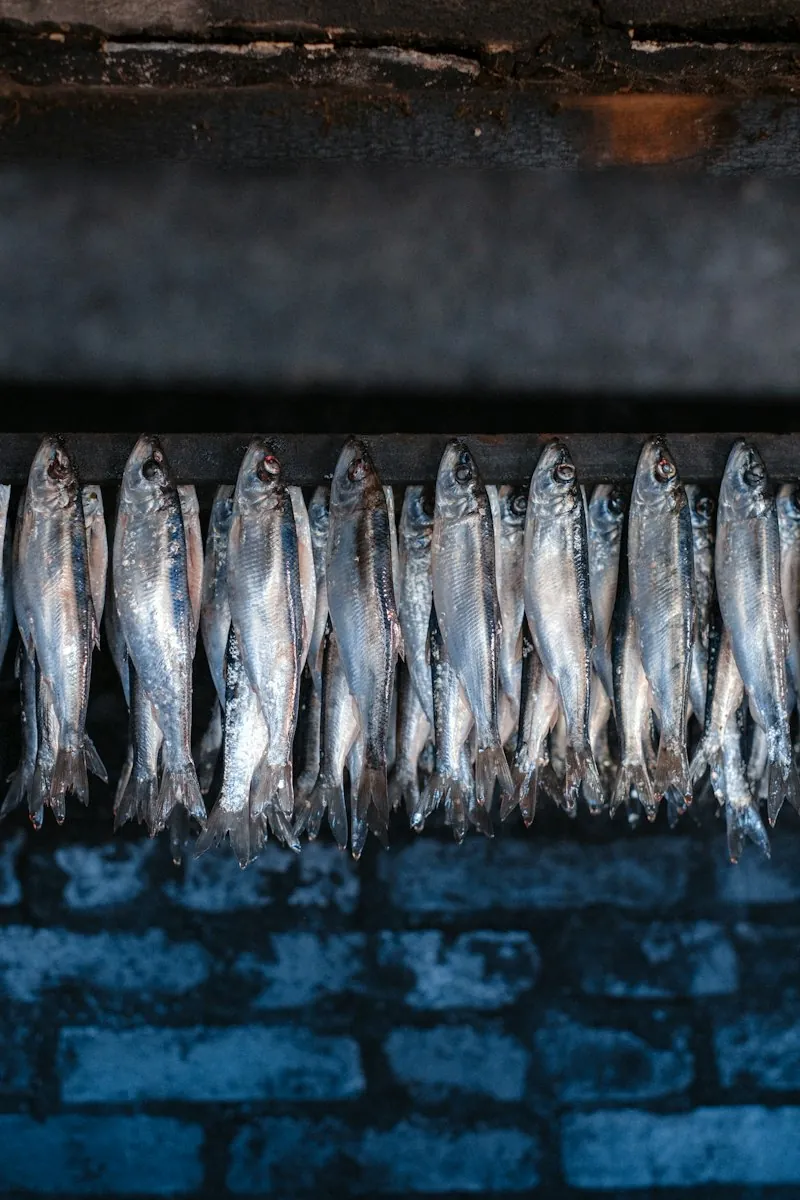 Coming soon
 Coming soon
 Coming soon