
 Coming soon
Coming soon · Coming in the next few months
Ground Crayfish
The savoury base of almost every Nigerian soup.
Ground crayfish is dried crayfish milled to a powder, used as a savory seasoning in Nigerian cooking. A spoonful stirred into egusi, ogbono, okra soup, stew or moi moi adds a rounded, seafood depth that cooks find hard to replace.
Coming soonComing in the next few months
We are getting Ground Crayfish ready for Afri Foods Basket. Leave your email and we'll send one message the day it lands.
No spam. One email per launch. Unsubscribe any time.
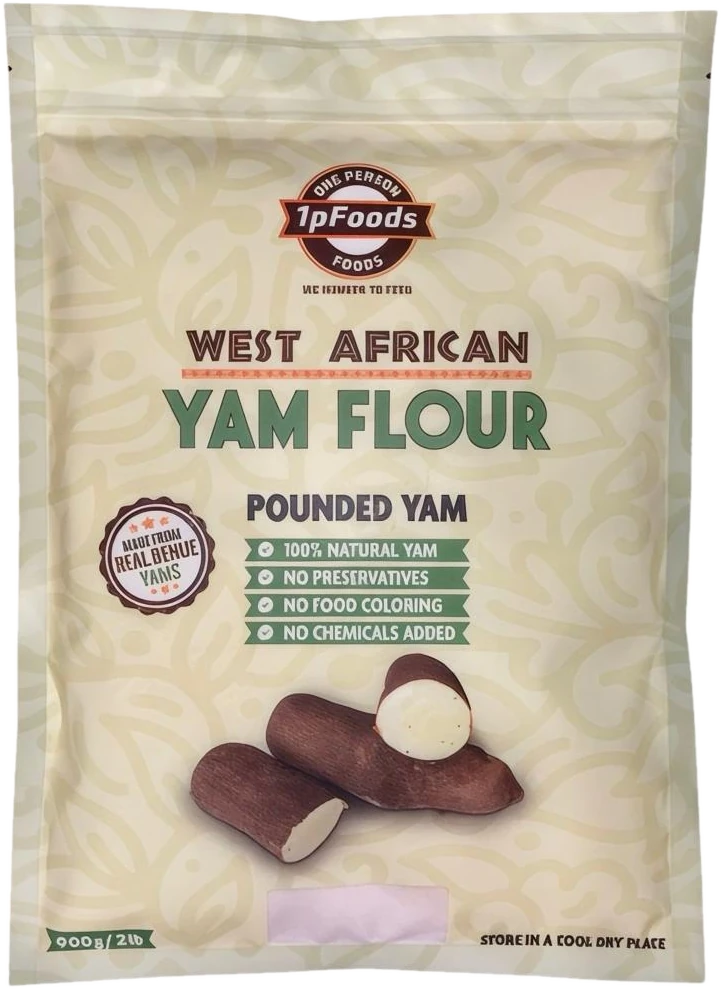
Make the swallow todayPounded yam flour is in stock and ships in 24–48 hours.
Coming soon 
What Nigerian cooks mean by crayfish, and why it is not Louisiana crawfish
If your only picture of crayfish is a pile of red crawfish at a Louisiana boil, set it aside. In Nigerian kitchens the word means small dried shrimp or prawns. A study of shrimp fishing on the Niger and Benue rivers explains the usage: estuarine prawns under about 65 millimeters long, caught along the coast, are sold dried and locally called crayfish. The same paper names the small estuarine prawn Nematopalaemon hastatus as the main one, calls crayfish an essential condiment in almost every local dish of southeastern Nigeria, and notes that freshwater river prawns of the Macrobrachium group are fished inland.
So the species inside a pack can be a marine shrimp, an estuarine prawn or a river prawn, and the label may simply say crayfish. That is normal trade usage, not a mislabel, but it means you cannot assume the species from the name alone.
Whole, ground or coarse: what milling changes
The same paper notes that dried Nematopalaemon can be cooked whole but is mostly ground and used as a condiment. Cooks who want full control buy whole dried crayfish and mill it in a dry grinder at home. Ground crayfish skips that step and comes as anything from a fine powder to a slightly coarse meal. Powder dissolves into the sauce so completely that nothing needs picking out later, which is part of why it works so well in soups like ogbono. Rub a pinch between your fingers when you open a pack: it should feel like dry powder, not like sand.
How much, and when: what real recipes do
There is no universal measure, but published family-size recipes give a feel for the range. The timing matters as much as the amount.
| Dish | Crayfish in the recipe | When it goes in |
|---|---|---|
| Ogbono soup | 3 tablespoons | After the palm oil has cooked with the meats for 3 to 5 minutes |
| Egusi soup | Several tablespoons in total | Blended into the egusi paste, then added with the meats and again in the broth |
| Ogbono okra soup | Split in two | Part with the early seasonings, the rest near the end after the greens |
| Moi moi | 3 tablespoons | Mixed into the batter during the last 5 minutes of mixing |
| Efik palm oil rice | 3 tablespoons | Fried in hot palm oil with locust beans before the rice goes in |
| Egusi pepper soup | 1 tablespoon | Added with the pepper soup spices |
In bitterleaf soup, the powder goes in right after the stockfish, together with smoked prawns and ground pepper, before the palm oil. In the soups, crayfish usually meets the hot oil and the meat broth early, so it blends into the base. A cook who splits the amount, as in the okra soup above, can get a mellow base and a brighter aroma at the end.
Balancing crayfish with salt, cubes and the rest of the pot
One Nigerian food writer puts the rule simply: too little disappears and too much takes over, so add it gradually when you are unsure. Taste after each addition. Crayfish does not work alone, either. The same pot usually holds stockfish, smoked fish, seasoning cubes, locust beans or salt, all of which add savory depth and some of which add plenty of salt. Seasoning cubes can contain salt and MSG, so read the pack and add the salt last.
The same writer lists uses outside soup: sauces, beans, porridge dishes such as yam porridge, pepper sauces and some native rice dishes.
Shellfish allergy: read this before you cook for guests
Crayfish is crustacean shellfish. The FDA lists crustacean shellfish and fish among the major food allergens in the United States, and says people with food allergies should read labels and avoid the foods they are allergic to. A powder cannot be picked out of a bowl the way a shrimp can, so it is easy to forget it is there. If anyone at the table has a shellfish allergy, leave it out and tell your guests that it is in the pot. Ready-made seasoning blends may list their ingredients differently, so read each one.
Keeping the powder dry and fresh
Ground crayfish soaks up moisture from the air, and a damp powder clumps and can spoil. Keep it in an airtight container in a cool, dry cupboard, well away from the stove. Use a dry spoon every time and never tip leftover spoonfuls from a hot pot back into the container. In a warm or humid kitchen, the refrigerator or freezer keeps the aroma longer. A good pack smells clearly of seafood. If it smells sour, stale, musty or damp, or shows mould, throw it out.
If you run out: honest substitutes
Dried shrimp powder is the closest stand-in, though the flavor will not match exactly because the shrimp and the drying method differ. Finely flaked smoked bonga, a little soaked stockfish or other dried fish can also supply savory depth, and so can mushroom powder or a stronger stock for anyone avoiding shellfish. Start with less of any substitute and adjust to taste.
Ground crayfish and the Notify me list
You cannot buy ground crayfish here yet. The Notify me form on this page puts you on the list for an email if it is listed. Many soups that depend on it, from ogbono to egusi, are served with a swallow, and our pure pounded yam flour in the 2 lb bag is available now. The dried fish and seafood category lists the other items, including dried catfish, which goes into many of the same pots.
Goes well in
Egusi soupOgbono soupOkra soupEfo riroMoi moiOfe onugbu (bitterleaf soup)
Questions
Ground Crayfish FAQ
Still have a question?
Real people, happy to help.
Chat on WhatsApp (734) 219-0258 hello@afrifoodsbasket.com Browse all FAQsGround crayfish is dried crayfish milled into powder. In Nigerian markets the name usually means small, shrimp-like dried seafood, not the larger crawfish Americans boil. A spoonful gives soups, stews and moi moi a savory, seafood depth, which is why it sits in so many Nigerian kitchens.
Most cooks start with a spoonful or two for a family-size pot, stirred in as the soup or stew simmers, then taste and add more if they want a stronger flavor. It dissolves into the sauce, so there is nothing to pick out. Remember that it adds savory flavor, so season carefully.
Whole dried crayfish is the same seafood before grinding. Cooks who like control grind it fresh at home, while ground crayfish saves that step. Either way it is shellfish, so anyone with a shellfish allergy should avoid it, and you should check the label on any pack.
Ground crayfish is coming to Afri Foods Basket in the next few months. It is not for sale yet, and we cannot give an exact date. Press Notify me on this page and we will tell you when it is listed. Our pounded yam flour is on sale now, for serving with your soups.
No. In Nigeria the word means small dried shrimp or prawns. A Nigerian fisheries study explains that estuarine prawns under about 65 millimeters are sold dried and locally called crayfish, with Nematopalaemon hastatus the main one. The crawfish boiled in Louisiana is a freshwater crustacean. They are different animals, so one cannot be assumed to replace the other in a recipe.
Yes. Dried crayfish is mostly ground before use, and many cooks do it themselves in a dry grinder to control the texture. Look through whole crayfish first for grit or stray shell, and grind small batches so the powder stays fresh. Make sure the grinder is completely dry, then store the powder airtight, because moisture makes it clump.
Leave crayfish out entirely. A Nigerian cooking writer suggests mushroom powder or a stronger stock for savory depth, and also lists dried fish, but fish is a separate major allergen in the US, so check whether anyone at the table is allergic to fish too. Read the label on any seasoning or cube, since ingredients vary by brand and pack.
It tastes savory, briny and slightly sweet, with a seafood aroma, rather than plainly fishy. Used in the amounts recipes call for, it deepens a soup instead of dominating it. Added early it gives a mellow, blended base, and added near the end it smells brighter. If you are unsure, add a little at a time and taste as you go.
More coming soon
Coming soon Coming soon
 Coming soon
 Coming soon