
 Coming soon
Coming soon · Coming in the next few months
Mud Fish
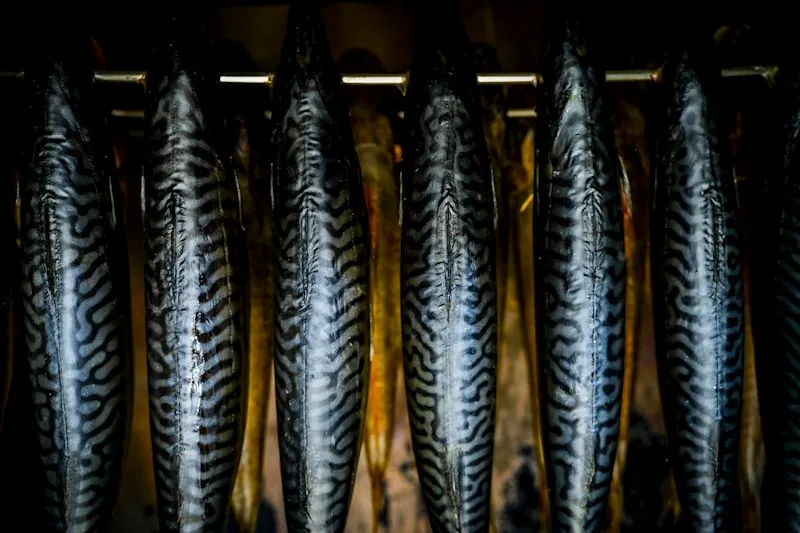
Rich smoked fish prized in native soups.
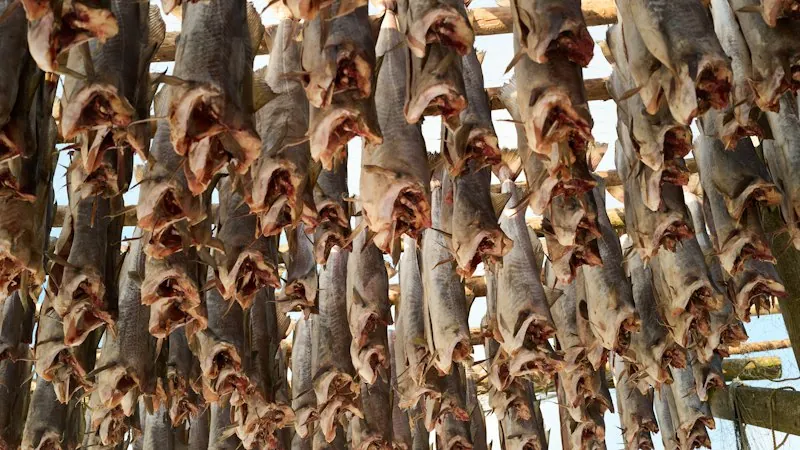
Mud fish is a smoked freshwater fish that Nigerian cooks choose when they want a rich, substantial fish in the pot. It is simmered gently in banga, ofe onugbu, ogbono and pepper soup.
Coming soonComing in the next few months
We are getting Mud Fish ready for Afri Foods Basket. Leave your email and we'll send one message the day it lands.
No spam. One email per launch. Unsubscribe any time.
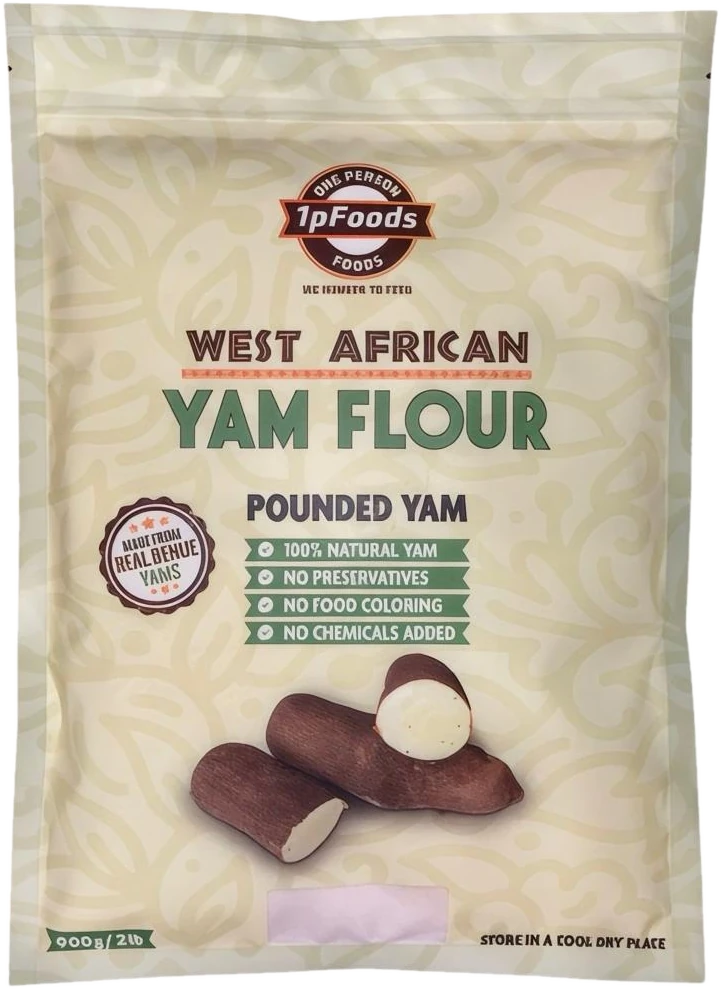
Make the swallow todayPounded yam flour is in stock and ships in 24–48 hours.
Coming soon 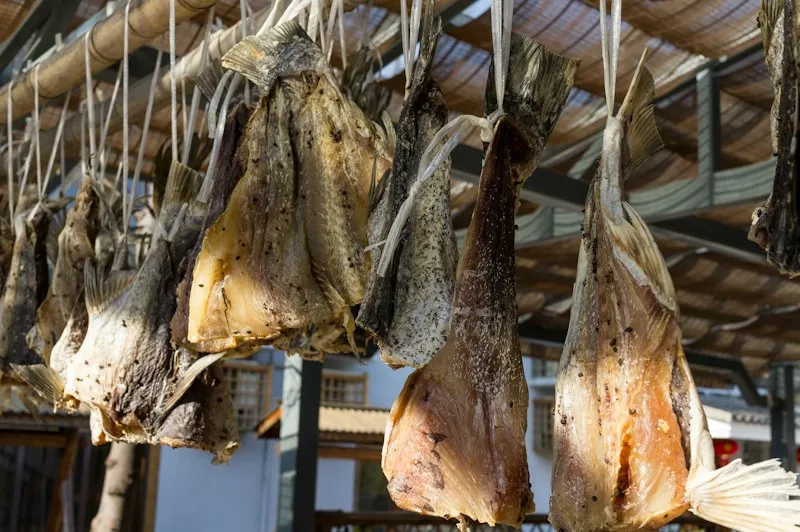
Which fish is a mud fish? Catfish, vundu and an American namesake
In published references, "mud fish" points to catfish. FishBase, the international fish database, lists mudfish among the English names of the African sharptooth catfish (Clarias gariepinus), and it says a larger African catfish, Heterobranchus bidorsalis, is also called mudfish and vundu in some regions. A Yoruba science encyclopedia gives eja aro as the word for mudfish, and online grocers of Nigerian food sell smoked catfish under that same name. So when a recipe asks for smoked mud fish, smoked catfish is the safest reading.
What the name cannot tell you is the exact species, the size or the cut. Sellers use it loosely, and it overlaps with the pieces sold as catfish round. If your family recipe says mud fish, trust the smoke and texture you remember and choose the pack that matches.
US shoppers should know about one false friend. Search for "mudfish" in America and you will also meet the bowfin (Amia calva), an unrelated river fish of the eastern United States that anglers call mudfish. It is not the fish in a Nigerian soup.
What a smoked catfish does in a soup
The US Geological Survey describes the African sharptooth catfish as a hardy, air-breathing fish of lakes, rivers and floodplains. A Nigerian food site says dried catfish, which Yoruba cooks call eja dudu, or black fish, goes into vegetable soup, ogbono, stews and pepper sauce. Smoking and drying concentrate the fish, so its job is double: it seasons the pot, and it gives each diner a substantial piece. In published recipes, smoked fish goes in after the meats and stockfish have done most of their cooking.
How to soak smoked mud fish without turning it to mush
Put the pieces in a bowl and cover them with warm water and a pinch of salt. Published advice varies with how dry the fish is. One Nigerian food site suggests 10 to 20 minutes in warm salted water, then draining and rinsing under cold water. A grocer's guide to smoked catfish suggests only 3 to 5 minutes in just-boiled water and warns that a longer soak leaves the fish too soft and short on flavor. A sensible way to choose between them is thickness: a thin tail piece wants the short soak, a thick steak the longer one.
Press the thickest part with a fingertip. When it gives a little, lift the pieces out and rinse them. Break the fish open if you want to remove the bones, the insides and any stick used to hold a whole fish together. Do not leave fish soaking on the counter for hours. The CDC says perishable food should not sit out for more than two hours, or one hour when it is above 90 F, so if you want a long soak, do it in the refrigerator.
A banga walkthrough: when the mud fish goes in
Palm nut soup is called banga in the Niger Delta, ofe akwu in Igbo, obieyen in Itsekiri and ame edi in Urhobo. It is usually built on fresh catfish, smoked or dried fish, or meat. The ofe akwu recipe from Sisi Jemimah shows the order. Tough meats boil first. A blend of hot peppers and seasoning goes into the stock, then the palm nut extract. Fresh fish cooks for five or six minutes and is lifted out so it will not break. Stockfish simmers along with the meats, and smoked fish is an optional extra. The greens go in last, and the soup is served with boiled rice or a swallow.
Smoked mud fish is that optional extra, and a good one. Soak it, break it into chunks, and add it once the palm base is simmering. Heat keeps softening smoked fish, so add it late if you want chunks and earlier if you want its flavor spread through the broth. Published recipes name no single correct moment, so taste a piece at each stage and decide for yourself.
Bitterleaf soup and pepper soup: two more homes
Bitterleaf soup, ofe onugbu, is an Igbo soup in which the leaves are washed again and again to tone down the bitterness. In one recipe the stockfish cooks until soft and smoked fish is optional. Another recipe uses 500 grams of precooked stockfish and just one or two dry fish alongside, a slot a piece of mud fish could fill. The leaves and a cocoyam or ofo thickener finish the pot.
Pepper soup is the lightest home. It is a thin broth of fish or meat with chili, salt, scent leaves and calabash nutmeg. One published catfish pepper soup simmers a whole fresh fish with a little stock for about 25 minutes, with pepper soup spice, a pinch of utazi or bitterleaf and scent leaf near the end. Smoked fish has already been through heat and smoke, so it needs far less time than fresh fish.
Serving it with pounded yam
Thick soups like bitterleaf soup are eaten with a swallow, and food writers list pounded yam alongside fufu, eba and amala. Our pounded yam flour is in stock now if you want something to serve with your pot.
Mistakes that spoil smoked mud fish
- Soaking for hours. The fish turns soft and loses flavor, and wet fish left at room temperature is a food safety problem.
- Boiling hard. A rolling boil breaks heavy pieces apart and scatters the bones through the soup.
- Forgetting the bones. Catfish pieces usually carry a central backbone, so warn children and guests, or take the larger bones out first.
- Salting before tasting. Stock, seasoning cubes, crayfish and the fish itself can all contribute salt, so season at the end.
- Leaving the pot out overnight. Get leftovers into the refrigerator within two hours.
Picking a pack and keeping it
Thick, heavy pieces hold more moisture than thin smoked fish. The Torry Research Station advice note on smoking, published by the FAO, says smoked fish packed while still warm grows moulds readily. So look for dry pieces with no white fuzz, especially around the bone and the head, and a clean smoky smell. Keep opened fish sealed and cool. Many cooks use the refrigerator or freezer, and the same FAO note describes freezing as a way to extend storage for the hot-smoked fish it covers. Fish is also one of the nine major allergens that US labels must declare, so anyone with a fish allergy should read every label.
Hearing when mud fish is listed
Mud fish is not for sale yet. Press Notify me on this page, enter your email, and you will hear when it is listed; we have no date to give. Everything else in the dried fish and seafood category is in the same position, and the soup you are planning may also want stockfish for the base and ground crayfish for seasoning.
Goes well in
Banga soupOfe onugbu (bitterleaf soup)Ogbono soupPepper soupEgusi soup
Questions
Mud Fish FAQ
Still have a question?
Real people, happy to help.
Chat on WhatsApp (734) 219-0258 hello@afrifoodsbasket.com Browse all FAQsMud fish is a market name for a smoked freshwater fish used in Nigerian cooking. The name is applied loosely, so the exact species can differ between sellers, and the same fish may be called something else in another market. Cooks value it for its rich, smoky flavor and meaty flesh.
The names overlap in some markets, and both are freshwater fish that are smoked and used in similar soups. Because sellers use these names differently, we cannot say the two are always the same. Read the product description when mud fish is listed, and use whichever gives the texture you like.
Rinse it in warm water, then soak it briefly in hot water to loosen smoke residue. Add it to your soup and simmer gently, because hard boiling can break it up. Take out the larger bones before serving, or let guests pick their own. Taste before adding salt.
Mud fish is coming to Afri Foods Basket in the next few months. It is not for sale yet, and we cannot give an exact date. Press Notify me on this page and we will let you know when it is listed. Our pounded yam flour is on sale now, for serving with these soups.
No. In the United States, mudfish usually means the bowfin, a river fish that is not related to catfish. In Nigerian cooking, mud fish points to African catfish such as Clarias gariepinus, sold smoked and dried for soup. If a shop or recipe is not clearly Nigerian, check the species or the Yoruba name eja aro before you buy.
It depends on thickness and dryness. A grocer's guide suggests 3 to 5 minutes in just-boiled water for drier pieces, while a Nigerian recipe site suggests 10 to 20 minutes in warm salted water. Press the thickest part: when it gives slightly, rinse it and cook. Longer soaks make it soft and bland, so keep it short and refrigerate any long soak.
Not one for one. Recipes treat them as different layers: stockfish cooks with the tougher meats until it softens, while smoked catfish is added near the end for a few minutes. Many pots use both. If you only have one, expect a different texture and add it at the stage that suits it.
Refrigerate it within two hours, or within one hour if the room is above 90 F, and keep your refrigerator at 40 F or colder. Use a covered container. Reheat until the soup is steaming hot all the way through, and look through the pieces for bones again before you serve it to children.
More coming soon
Coming soon Coming soon
 Coming soon
 Coming soon