
 Coming soon
Coming soon · Coming in the next few months

Catfish Round
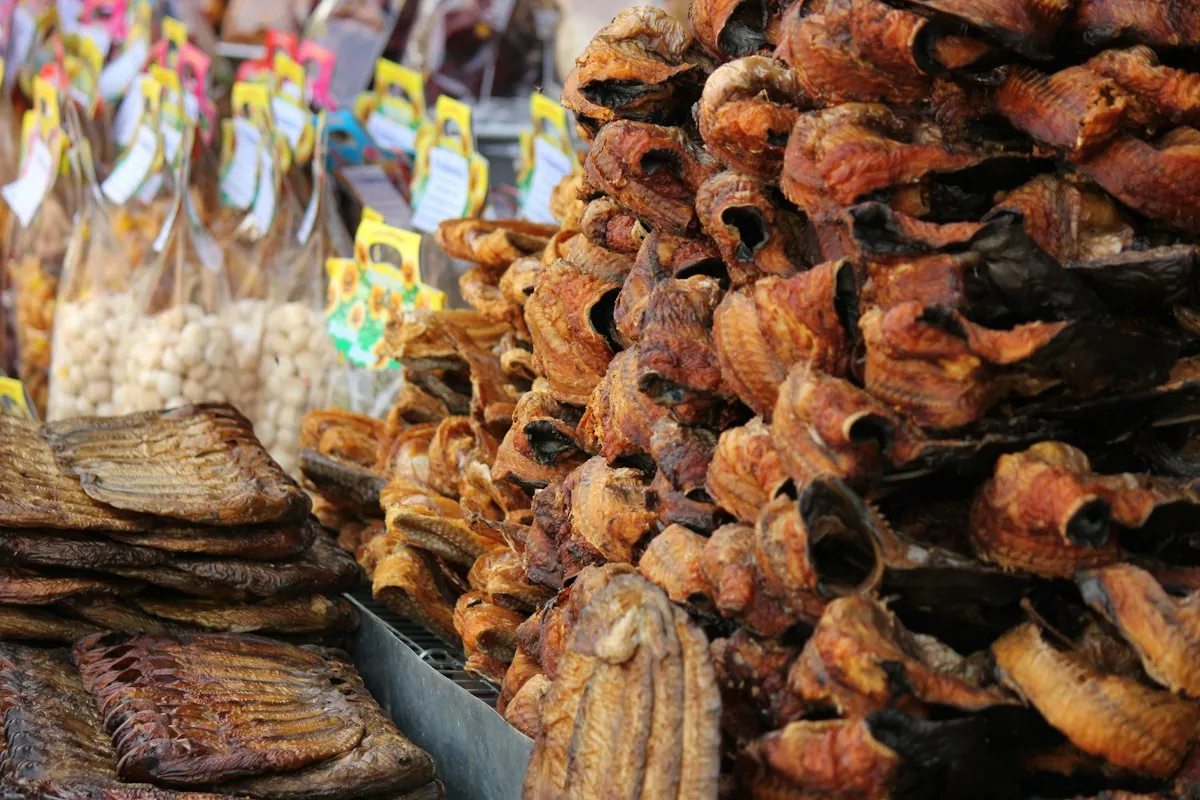
Smoked catfish rings for pepper soup and banga.
Catfish round is smoked catfish sold in thick, round or ring-shaped pieces. Its firm, meaty flesh holds together in the pot, which is why cooks use it in pepper soup, banga soup, egusi and ogbono.
Coming soonComing in the next few months
We are getting Catfish Round ready for Afri Foods Basket. Leave your email and we'll send one message the day it lands.
No spam. One email per launch. Unsubscribe any time.
Make the swallow todayPounded yam flour is in stock and ships in 24–48 hours.
Coming soon 
What "round" means on a dried catfish pack, and why the name is not settled
The fish itself is easy to name. Nigerian dried catfish is usually African sharptooth catfish, Clarias gariepinus, a freshwater fish found across Africa in rivers, lakes and swamps, according to FishBase. A study of smoked fish in southern Nigerian markets lists it among the commonly smoked species, next to bonga, tilapia and mackerel.
The word "round" is a trade description, not a standard. The most likely meaning is the shape. A Nigerian food blogger describes how dried catfish is made: a stick goes through the head and tail, the fish is bent into a circle, and it is dried with a mix of fire and sun. A community cookbook on dryfish describes the same coiled whole fish pinned to hold its shape, and mentions that some fish are cut into pieces instead. Some sellers may also use round for thick cross-cut pieces. Until a product page spells it out, treat the name as a description of shape and check the photo.
Traditionally the fish is dried whole, sometimes ungutted, with the bones in. That affects how you prepare it.
From brittle to ready: a rehydration routine
- Pour boiling water over the fish in a heatproof bowl. The dryfish cookbook gives a range of one to sixty minutes, with the driest fish at the long end.
- Drain and rinse well. Fish oils that seep onto the skin collect dust and grit, which is why Nigerian cooks insist on washing dried fish properly.
- Pull the flesh away from the backbone, ribs and any innards left inside.
- Break the meat into pieces or shred it, and feel through it for small bones.
Drying levels vary. One writer describes Nigerian dried fish running from partly dried and soft, called jokojoko, to bone dry. Softer fish are less thoroughly dried, so it is sensible to refrigerate them. And if a hot soak runs long, the bowl belongs in the refrigerator, not on the counter.
Banga soup: the dish this fish was made for
Banga is palm fruit soup, and the Delta version shows how smoked catfish is handled. In one well-known recipe the cook boils the tough meats first, then adds stockfish and blended scotch bonnet, and the pot also gets ground crayfish or prawns and the banga spice. The smoked fish goes in last and cooks only two to three minutes in the soup's residual heat, so it keeps its texture. The same recipe warns that too much banga spice makes the soup bitter, and it takes about thirty to forty minutes once everything is prepared. The Igbo cousin of the soup is called ofe akwu. Serve either with a swallow.
Ogbono and palm oil rice: the same fish, different timing
In a standard ogbono recipe, the smoked catfish joins after the meats are tender and the offal is cooked, then comes palm oil, ground crayfish and ogbono added gradually. The cook says to leave the pot uncovered for at least fifteen minutes after the ogbono goes in. In the Efik palm oil rice that some call native jollof, two or three medium smoked catfish are cleaned, shredded and folded in after the parboiled rice, along with smoked prawns and ground crayfish. The thread running through these recipes: dried catfish goes in after the meat and before the thickener or the greens. Ground crayfish goes into both pots as well.
Catfish pepper soup, honestly
Dried catfish often gets linked with pepper soup, but the recipes point the other way. One egusi pepper soup recipe states that fresh fish, especially catfish, is used in most cases, and the white soup called ofe nsala is likewise traditionally a fresh catfish soup. Dried fish plays a supporting role: that same pepper soup adds two or three pieces of stockfish or smoked fish for depth. So dried catfish pieces make a good flavoring in a peppery broth, but if you want a classic catfish pepper soup, buy fresh or frozen catfish and keep the dried fish for the background.
Bones, size and how many to cook
Because the fish is whole, the backbone and ribs come with it. Warn guests, put out a bowl for bones and give each person a fork, and take extra care with children. For a family-size pot of rice, the recipe above uses two or three medium fish. Round pieces vary in size, so go by the pot, not the weight: start with less than you think, taste, and add more.
Next to smoked bonga, which flakes away into the sauce, catfish pieces can stay whole. Next to stockfish, which is air-dried without smoke, catfish tastes of smoke. Cooks often use one of each in a single pot. The mangala page covers another dried fish that some cookbooks call dried catfish.
Storing a thick, dried fish
Thick whole fish can hold moisture in the middle, so storage matters more than it does for thin flakes. Store it sealed, somewhere cool and dry and away from stove steam, and put opened packs in the refrigerator or freezer in warm weather. Nigerian fish vendors keep re-smoking unsold fish to extend its life, a step that is not realistic at home. Refrigerate leftovers of anything cooked with it.
Catfish round: coming soon, with a note on the name
Catfish round cannot be ordered yet. When it appears, the product page should show the actual shape and size so you are not left guessing about "round". Use the Notify me form on this page to hear when that happens. In the meantime our pure pounded yam flour (iyan) is in stock for the swallow, and the dried fish and seafood category shows what else is on the way.
Goes well in
Catfish pepper soupBanga soupEgusi soupOgbono soupOkra soup
Questions
Catfish Round FAQ
Still have a question?
Real people, happy to help.
Chat on WhatsApp (734) 219-0258 hello@afrifoodsbasket.com Browse all FAQsCatfish round is smoked catfish sold in thick, round or ring-shaped pieces, hence the name. It is a market name, and sellers may describe the cut a little differently, so check the description when it is listed. The flesh is firm and meaty, and it is used in pepper soup, banga and egusi.
Rinse the pieces in warm water and soak them briefly in hot water to loosen smoke residue. Build your pepper soup broth with pepper soup spice, onion and seasoning, then add the catfish and simmer gently until the flavor has moved into the broth. Serve one ring to each bowl.
Yes. The rings usually include the central backbone, and there may be smaller bones around it. Most cooks lift the meat off the bone with a fork, or serve the ring whole and let each person pick at it. Take extra care when serving children.
Catfish round is coming to Afri Foods Basket in the next few months. It is not for sale yet, and we cannot give an exact date. Press Notify me on this page and we will let you know when it is listed. You can order our pounded yam flour now, to eat with banga or egusi.
You can add dried catfish to a pepper soup pot for depth, but the usual choice is fresh catfish. One popular egusi pepper soup recipe says fresh fish, especially catfish, is used in most cases, and adds only two or three pieces of stockfish or smoked fish for extra flavor. For a classic catfish pepper soup, use fresh or frozen catfish.
A Nigerian food blogger describes dried catfish being made by pushing a stick through the head and tail, bending the fish into a circle, and drying it over fire and in the sun. A community cookbook on dryfish also describes whole fish formed into a circle and pinned. The shape probably helps hold the fish together while it dries, which is likely where the name round comes from.
There is no fixed amount. A palm oil rice recipe uses two or three medium smoked catfish, cleaned and shredded, for the pot, and an egusi recipe uses one medium smoked fish or stockfish piece. Fish sizes vary a lot, so judge by the pot: add some, taste, and add more if you want a stronger smoky flavor.
Possibly, but the name is not settled. One community recipe for abacha lists dried catfish as mangala, while a dryfish cookbook entry describes mangala as fish cut into pieces rather than coiled. Catfish round may be coiled whole fish. Check the product description for the fish and the shape, and see our mangala page for what is known.
More coming soon
Coming soon Coming soon
 Coming soon
 Coming soon