
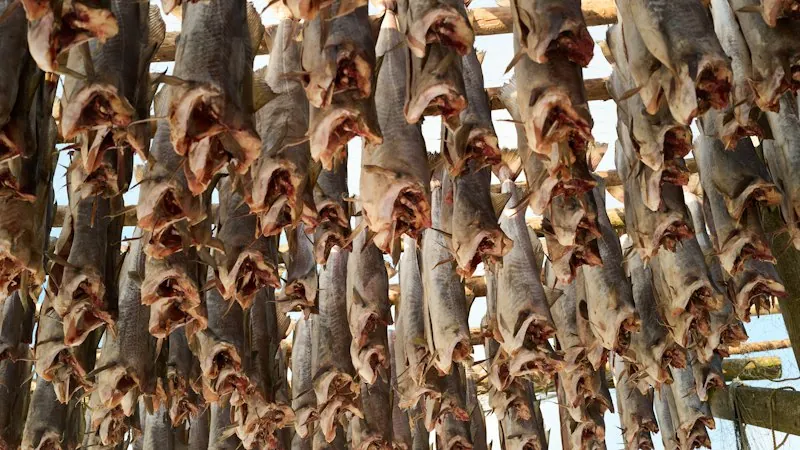
 Coming soon
Coming soon · Coming in the next few months
Arira
Small dried fish that melts into sauces.
Arira is a small dried fish that Nigerian cooks crumble into stews, sauces and soups, where it softens and melts into the pot. A little goes a long way, adding savory fish depth that blends in rather than standing out.
Coming soonComing in the next few months
We are getting Arira ready for Afri Foods Basket. Leave your email and we'll send one message the day it lands.
No spam. One email per launch. Unsubscribe any time.
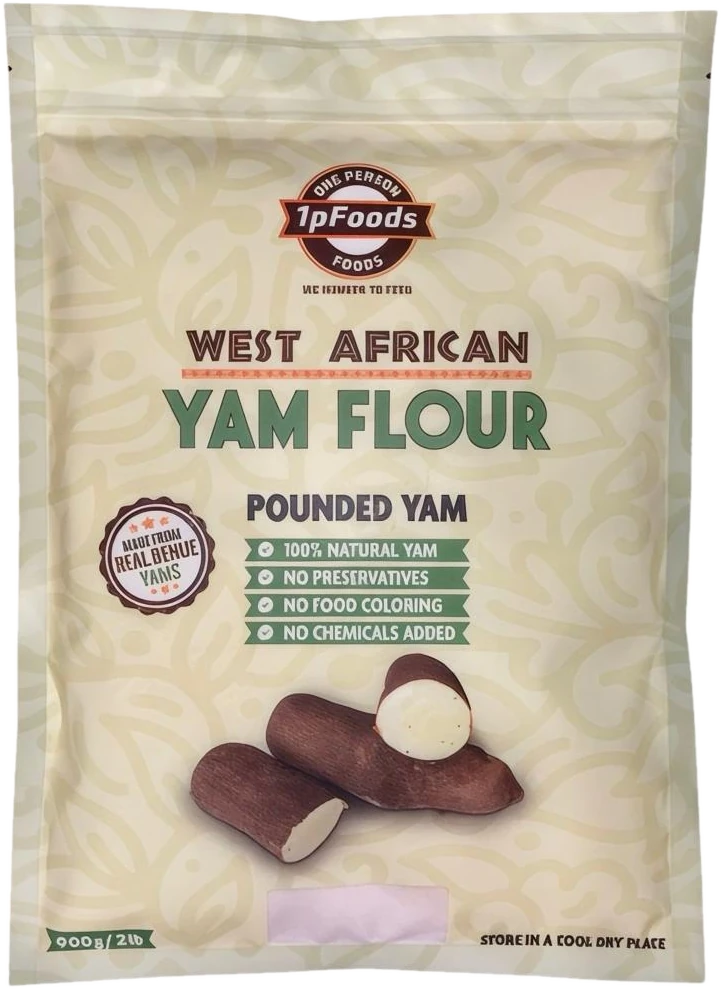
Make the swallow todayPounded yam flour is in stock and ships in 24–48 hours.
Coming soon 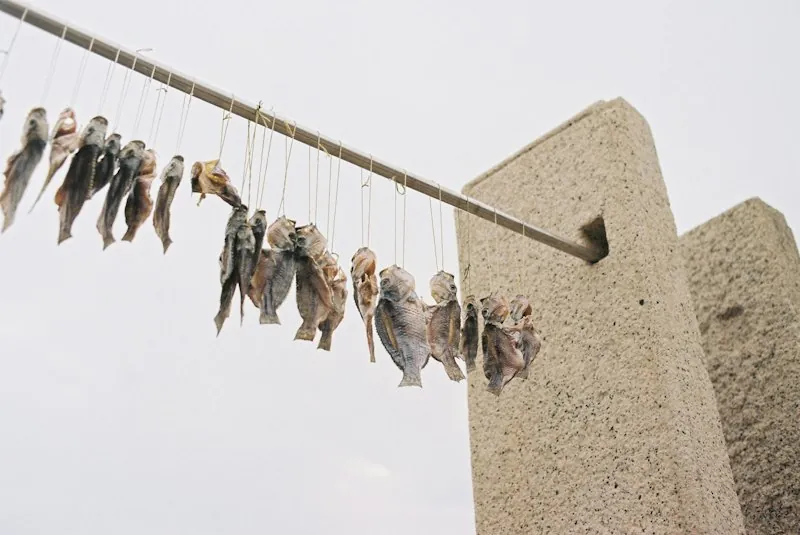
What to know about arira before it is listed
This page covers arira, a name that turns up in one public list of names Igbo speakers use for river fish, beside names such as asa and okpo. Standard Igbo spelling writes the name with a dot under the first i. No English or scientific name is attached to it. This page does not name a species, size, way of drying or signature dish for arira.
It does not say what arira tastes like either. The full description and ingredients (species, cut, how it was dried or smoked) will be shown on this page when the product is listed, and until then the label on the pack is the authority. What this page can do is help you find out what is in a pack with that name, and cook any unfamiliar dried fish safely.
One name, several fish: why dried fish names mislead
Arira is not alone. The names around dried fish track kitchens and markets, not biology, and the documented examples show how far they can drift.
- Asa is the African knifefish on Nigerian grocery listings, yet one Igbo word list gives the same word for tilapia.
- Eja kika appears on packs of abo, which sellers describe as dried sole, on panla, which most describe as hake, and in a few listings on barracuda.
- Mud fish means a catfish in Nigerian cooking and the bowfin to American anglers.
- Panla is dried hake in most listings, though one marketplace title calls panla smoked tilapia.
With that much looseness, a name alone is weak evidence. The abo fish page shows how one of these names resolves once you read around it.
If arira is in your family's recipe, ask these questions first
Someone in your family has cooked it, and their memory is the best identification tool available. Before you shop, ask:
- How big was it: tiny whole fish, a hand-length fish, or steaks and slices?
- What color and texture: pale or dark, hard as wood or able to bend?
- Did it keep its head and tail, and did it have scales or skin?
- Which soup or sauce was it for, and when did it go into the pot?
- Where did it come from, a river or the sea, and which town sold it?
- Did the dish turn out salty, which would suggest a salted fish?
Write the answers down. A seller can match them against what is on the shelf far faster than they can respond to a single word.
How to read any dried fish pack before you buy
A good pack answers the questions that the common name leaves open. Look for the English name, the Latin genus and species if it is printed, where the fish was caught, and how it was processed: smoked, sun-dried, air-dried or salted. Look for an ingredient list and a best-before date. Ask for the weight rather than a piece count, because pieces vary a lot in size.
US labeling law lists fish as a major allergen and asks packaged foods that contain it to name the kind of fish, with examples such as bass, flounder and cod. If a pack follows those rules, it will tell you more than a market name does. If it does not name the fish, ask the seller to.
A soak test for an unfamiliar dried fish
- Smell it dry. A clean smoky or fishy smell is normal. Sour, musty or ammonia-like smells are not, and neither is white fuzz, which can be mould. Discard fuzzy fish.
- Break off one small piece rather than soaking the lot, and cover it with warm salted water. About ten minutes is the short end of what Nigerian guidance gives for dried catfish, and a reasonable first check for any dried fish.
- Press it. If it is still stiff, give it more time. When it gives, lift it out, rinse it, and remove bones and any hard skin.
- Taste the flesh and a spoonful of the soaking water. You are checking for saltiness, smoke and any bitterness.
- Simmer the piece in a spoonful of soup for a few minutes, then judge the texture. Only now decide how much to put in the full pot.
If you must soak longer than an hour or two, do it in the refrigerator, not on the counter.
Is it salted? Check before you season the pot
Dried fish reaches the kitchen in different ways. A West African cooking guide describes smoke-dried fish that spends 10 to 18 hours in a kiln, air-dried stockfish, and salt-treated dried tilapia (koobi in Ghana) that needs its soaking water changed once or twice to reduce the salt. If your first soak tastes salty, change the water and soak again. Season the finished pot last, after the fish, stock and any crayfish have each added their share.
Standing in for arira while you find out
No dried fish is documented as a match for arira, and none of the following is claimed to be one. If your relatives remember flat, thin pieces, compare the abo fish page. If they remember firm, larger pieces, the panla fish page is a starting point. Whatever you choose, change one fish at a time, keep the rest of the recipe fixed, and write down how it tastes. If the test soup needs a swallow beside it, our pounded yam flour is the in-stock option.
Hearing if arira is listed
Arira is not on sale yet, and no date has been set. The Notify me form on this page is the place to tell us you want it, and to hear if it is listed. You can browse the other dried fish pages while you wait.
Goes well in
Efo riroEgusi soupOkra soupOgbono soupNigerian tomato and pepper stew
Questions
Arira FAQ
Still have a question?
Real people, happy to help.
Chat on WhatsApp (734) 219-0258 hello@afrifoodsbasket.com Browse all FAQsArira is a small dried fish used in Nigerian cooking to add savory fish flavor to stews, sauces and soups. Because the fish are small they soften quickly and largely melt into the pot. As with many dried fish, the name is used by markets and cooks, so read the pack when it arrives.
Yes. Rinse it in cool water, then soak it briefly in warm water to soften it and let any grit sink. Lift the fish out rather than pouring the water through them, and pick out any stray sand or tough bits. Then crumble or add whole, depending on the dish.
Start small. A modest handful is enough to flavor a family pot of stew or soup, because the fish break down and their taste spreads. You can always add more once you have tasted. Go easy on salt and seasoning cubes, as dried fish is already savory.
Not yet. Arira is coming to Afri Foods Basket in the next few months, and we do not have a date to share. Press Notify me on this page and we will let you know when it can be ordered. Our pounded yam flour is available now for your soup night.
Probably, though it is not proven. The name appears in a public list of Igbo names for river fish, yet that list gives no English or scientific name, and no recipe or fish guide describing it is documented. Until a pack states the species, treat the name as unconfirmed and ask any seller what fish it is.
Ask your family what it looked like and how it was used, then pick a dried fish that matches those details. Change one fish at a time and keep the rest of the recipe the same, so you can tell what the change did. Taste the pot before adding salt, since dried fish and seasoning cubes each contribute.
Soak a small piece in warm water, then taste the flesh and the water. A noticeably salty taste suggests a salted fish. A West African cooking guide notes that salted dried fish, such as Ghanaian koobi, needs its soaking water changed once or twice before cooking. Stockfish, by contrast, is made from unsalted cod.
The dot marks a vowel in standard Igbo spelling, and English-language listings usually drop it, so the two spellings most likely point to the same name. No documented source separates them or identifies the fish under either spelling. If a seller uses one spelling, ask what fish is in the pack.
More coming soon
Coming soon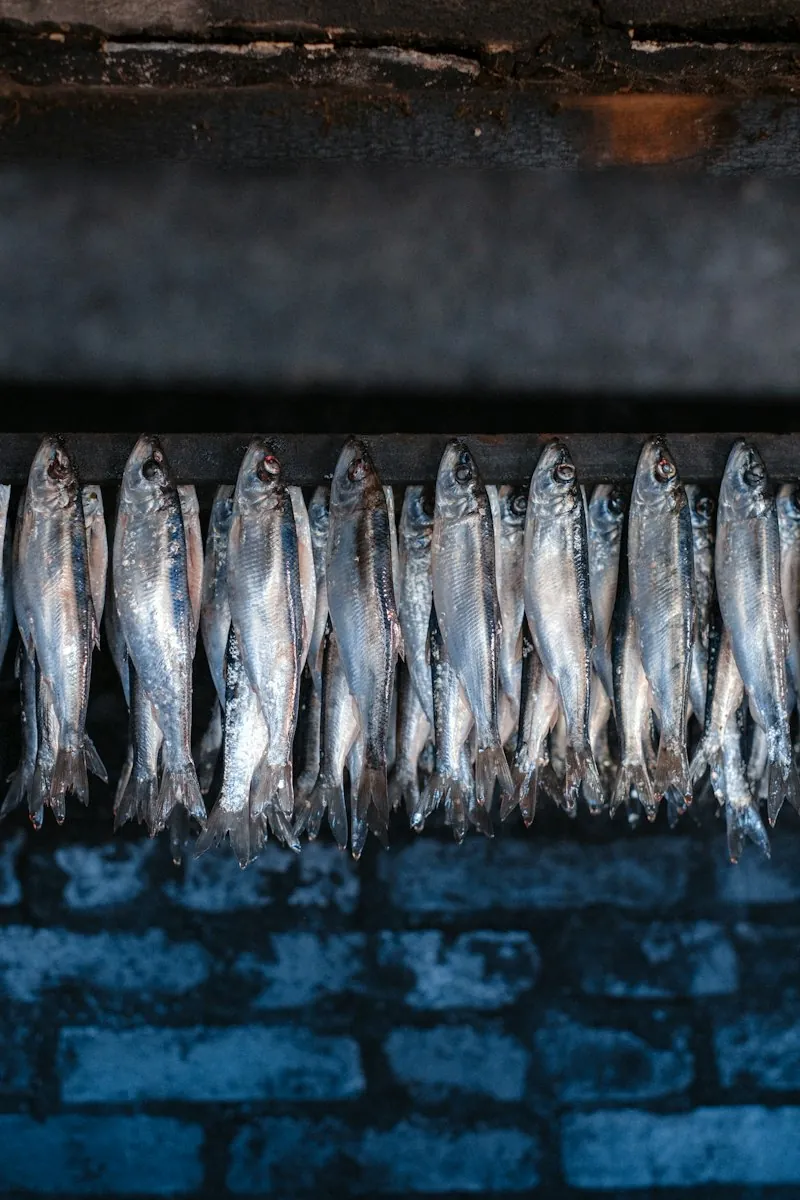 Coming soon
 Coming soon
 Coming soon