
 Coming soon
Coming soon · Coming in the next few months
Tilapia
Sweet, mild fish for okra and light soups.
Tilapia is a mild, lightly sweet freshwater fish that is widely eaten across Nigeria. Cooks grill it with pepper, simmer it in pepper soup and okra soup, and fry it to serve with stew.
Coming soonComing in the next few months
We are getting Tilapia ready for Afri Foods Basket. Leave your email and we'll send one message the day it lands.
No spam. One email per launch. Unsubscribe any time.
Make the swallow todayPounded yam flour is in stock and ships in 24–48 hours.
Coming soon 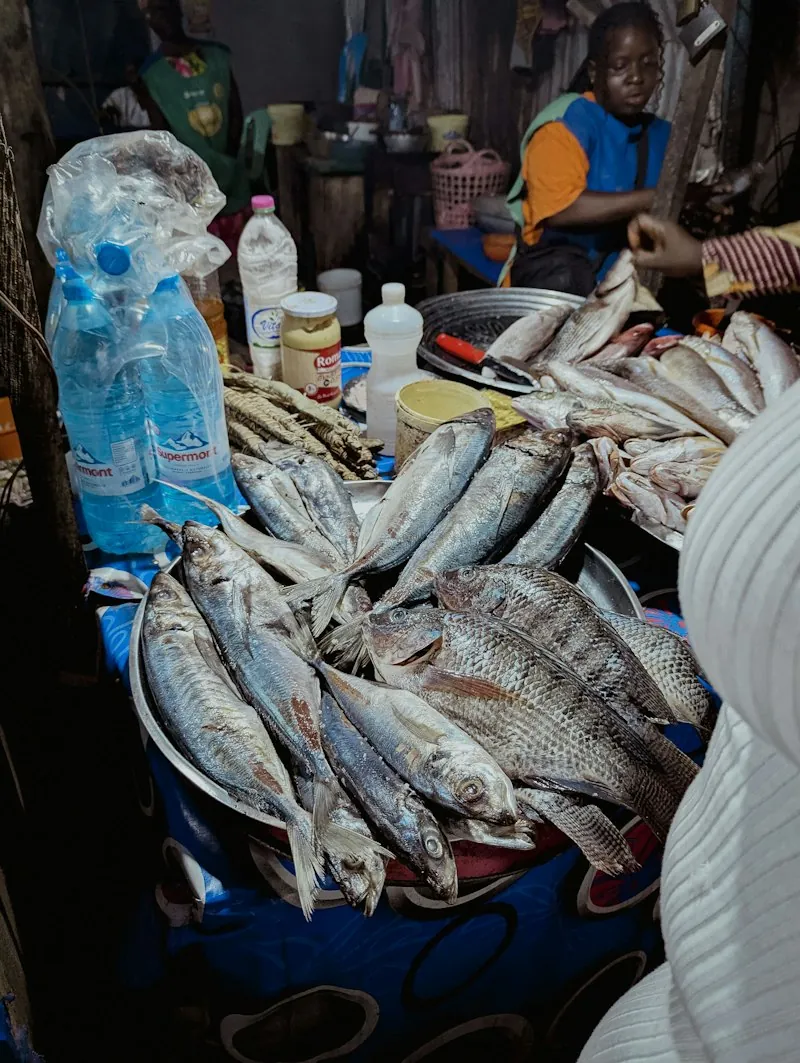
Tilapia is a family of fish, and the smoked kind is its own product
Tilapia is a common name for a group of related freshwater fish, mostly native to Africa, not a single species. FishBase describes the Nile tilapia as native to the Nile basin and to West African river systems such as the Niger, and the most important tilapia in fish farming worldwide. A study of smoked fish sold in southern Nigerian markets sampled a different one, Tilapia zilli, and listed tilapia as one of four commonly smoked market fish, alongside catfish, bonga and mackerel.
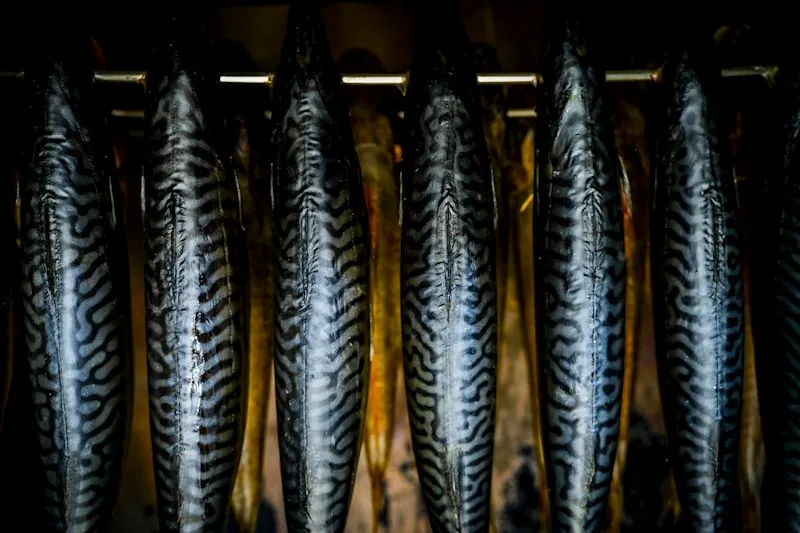
That is the product on this page: whole tilapia, smoked and dried until it keeps, used to build flavor in a soup or stew. Fresh and frozen tilapia, the kind that fills American supermarket freezers, is a different ingredient with a different job, and the recipes treat the two very differently.
Four forms that all get called tilapia
| Form | How it is made | How to treat it |
|---|---|---|
| Smoked, dried tilapia | Smoked over a wood fire and dried; Nigerian vendors keep re-smoking unsold fish | Hot-water soak, rinse, debone, add to the pot |
| Koobi | A Ghanaian product: tilapia that is salted, then air-dried | Soak and change the water once or twice to draw out salt |
| Frozen whole fish | Fresh fish, frozen | Thaw in the refrigerator, then cook as fresh fish |
| Fillets | Fresh or frozen | Quick-cooking; not what this page covers |
The difference between the first two matters. Koobi is a salted fish and behaves like one in the soaking bowl, while smoked tilapia gets the usual smoked-fish soak, though how salty it is has not been documented. If a pack does not say which it is, taste the soaked flesh before you season the pot.
How it differs from the other dried fish in the range
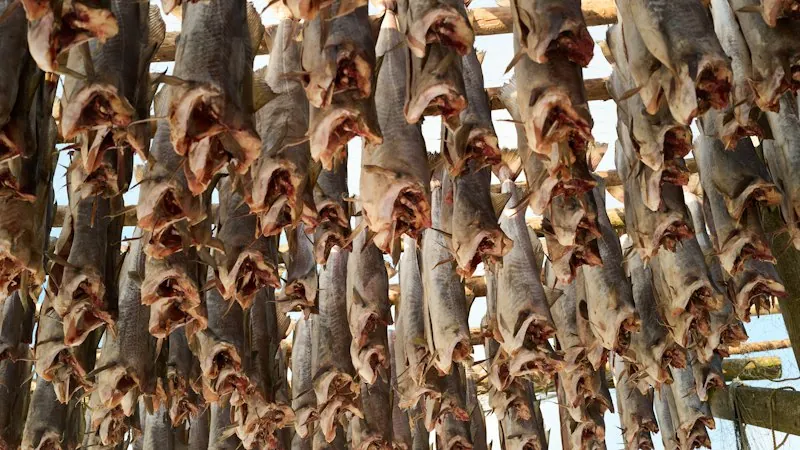
Stockfish is a cod-family fish air-dried without salt or smoke, which is why it needs days of soaking and ends up chewy and savory. Bonga is a small fish smoke-dried hard over several days, so it flakes into bony shreds. Dried catfish is a bigger fish that tends to stay in pieces. Tilapia sits among them as a freshwater fish, and FishBase notes it mostly feeds on plant material, which is the opposite of the catfish's bottom-feeding diet. Fresh tilapia is known for a mild taste, but no published source compares the flavor of smoked tilapia with these others, so go by what is on the pack and what your first pot tells you.
From hard smoked fish to usable meat
The routine is the same as for any smoked fish. A community dryfish cookbook says to soak in boiling water for anywhere from one to sixty minutes, depending on dryness, then drain, rinse, and separate the flesh from the bones and innards. A smaller, thinner fish usually needs less time than a thick one, so start at the short end and test a piece. Because whole smoked fish keeps its skeleton, shred the meat and check it with your fingers before it goes in the pot. If the soak stretches on, refrigerate it.
Okra soup: where smoked tilapia belongs
Smoked fish in okra-based soups is a standard move. In a popular ogbono okra recipe, the cook shreds the smoked fish into the broth before the palm oil goes in, then lets it boil three to five minutes. Crayfish is split between the early seasonings and the end of the cooking, and stockfish goes in earlier with the softer meats. Smoked tilapia slots into the same place as any smoked fish: shredded, added after the meats are tender, and stirred through while the base is still building. Published recipes do not name smoked tilapia in particular, so this is the standard smoked-fish pattern, not a tilapia rule. Okra soup is typically served with a swallow, and our pure pounded yam flour is ready to order.
The fresh-fish contrast: tilapia and yam pepper soup
A recipe that says tilapia very often means the fresh fish. One popular tilapia and yam pepper soup shows the difference. Two medium fish are cleaned and cut into pieces, then cooked on low to medium heat throughout. The fish broth simmers about five minutes, the spices cook for two, parboiled yam goes in for five to six more minutes, and the whole pot is done in roughly twenty minutes with basil stirred in at the end. Ground crayfish is part of the seasoning. Smoked tilapia is the reverse: it already looks cooked, but needs soaking time and goes in as flavoring. Do not swap one for the other without adjusting the method, and when a recipe says tilapia, check whether it means fresh.
How many to use
There is no standard. For reference, one egusi recipe uses a single medium smoked fish or stockfish piece for the pot, and a palm oil rice recipe uses two or three medium smoked catfish, cleaned and shredded. Add one, taste the pot, then decide whether it needs another. Ground crayfish will add more savory depth, so go gently with both.
Storing smoked and frozen tilapia
Store smoked tilapia airtight, cool and dry, away from steam, and freeze opened packs if the weather is warm. Frozen whole fish stays frozen until you need it and thaws in the refrigerator rather than at room temperature. Leftover cooked dishes go in the refrigerator, covered.
Tilapia: not in the shop yet
Smoked or dried tilapia is not for sale here yet. When it is listed, the product page should say whether it is smoked, dried, salted or frozen, and how large the fish are. Press Notify me on this page to hear when that happens, and look through the dried fish and seafood category for the other fish on the way.
Goes well in
Tilapia pepper soupOkra soupGrilled peppered tilapiaFried fish with tomato stewJollof rice with fried fish
Questions
Tilapia FAQ
Still have a question?
Real people, happy to help.
Chat on WhatsApp (734) 219-0258 hello@afrifoodsbasket.com Browse all FAQsTilapia is a freshwater fish eaten widely across Nigeria and West Africa. Its flesh is tender, flaky and white, with a mild, lightly sweet taste, which is why it takes so well to pepper, garlic, onion and spice. Cooks grill it, fry it, or simmer it in soups.
Most often it is grilled or baked whole with a pepper and onion rub, fried and served with tomato stew, or simmered in pepper soup and okra soup. Because the flesh is delicate, it goes into soups near the end of cooking. Smoked or dried tilapia is also used in soups.
Keep fresh or frozen fish cold. Thaw it in the refrigerator, not on the counter, and cook it soon afterward. Smoked or dried tilapia should be sealed and kept in a cool, dry place. Refrigerate any cooked fish, covered, and reheat it thoroughly. Follow the guidance on the pack.
Tilapia is coming to Afri Foods Basket in the next few months. It is not for sale yet, and we cannot give an exact date. When it is listed, the page will show the exact form and size. Press Notify me on this page and we will let you know. Our pounded yam flour is on sale now.
Koobi is a Ghanaian product: tilapia that is salted and then air-dried. Smoked tilapia is preserved with smoke instead. Koobi needs its soaking water changed once or twice to draw out salt, so mixing the two up can leave a soup too salty. If a pack is not clear, taste a soaked flake before seasoning the pot.
Not as an even swap. Fresh tilapia cooks in minutes and is delicate, as in a pepper soup finished in about twenty minutes. Smoked tilapia is a seasoning fish that is soaked first and adds smoky flavor. If you substitute fresh, add it near the end, use gentle heat, and expect a milder, cleaner taste with no smoke.
Many. Tilapia is a common name for a group of related freshwater fish from Africa. Nile tilapia is the most farmed, and a study of smoked fish in Nigerian markets sampled another species, Tilapia zilli. The tilapia in US freezer cases is often fillets, a different product from whole smoked tilapia, so read the pack.
There is no fixed number. Recipes for other smoked fish give a hint: one egusi recipe uses a single medium smoked fish or stockfish piece, and a palm oil rice recipe uses two or three medium smoked catfish. Add one, shred it, taste the pot, and decide whether to add another. Crayfish and seasoning cubes add savory depth too.
More coming soon
Coming soon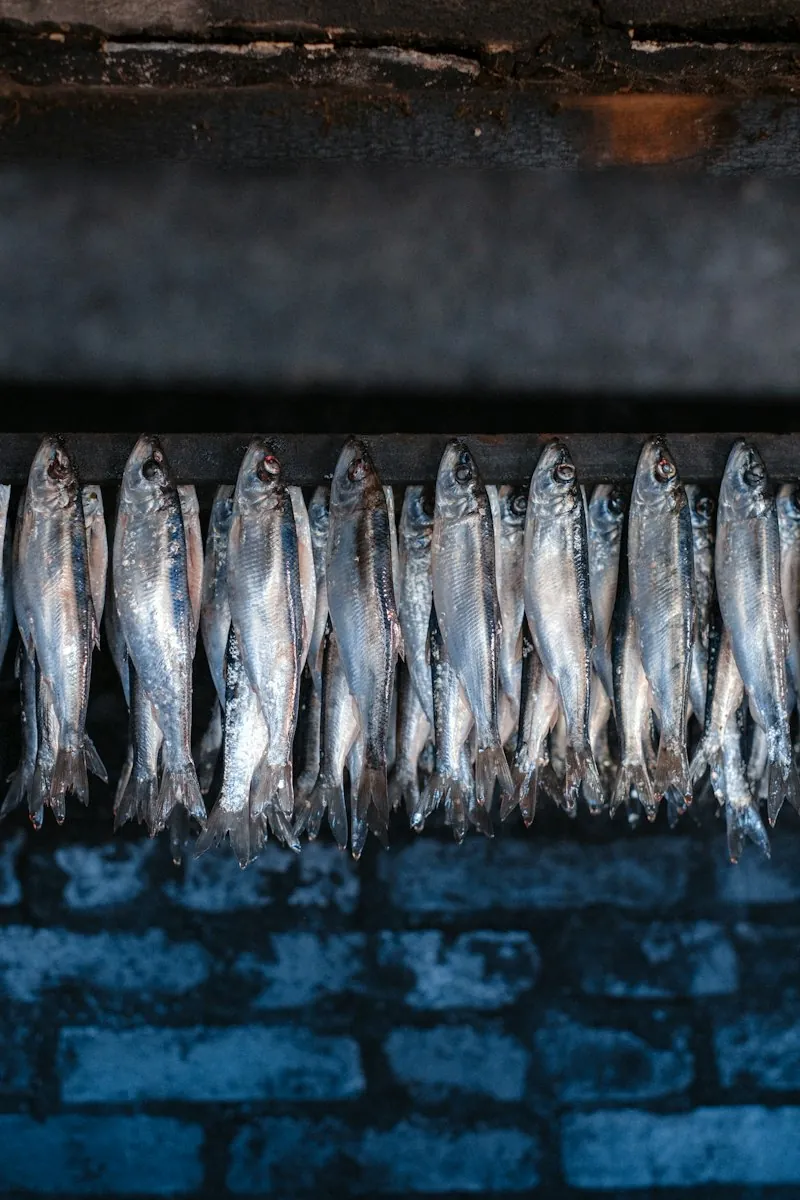 Coming soon
 Coming soon
 Coming soon