
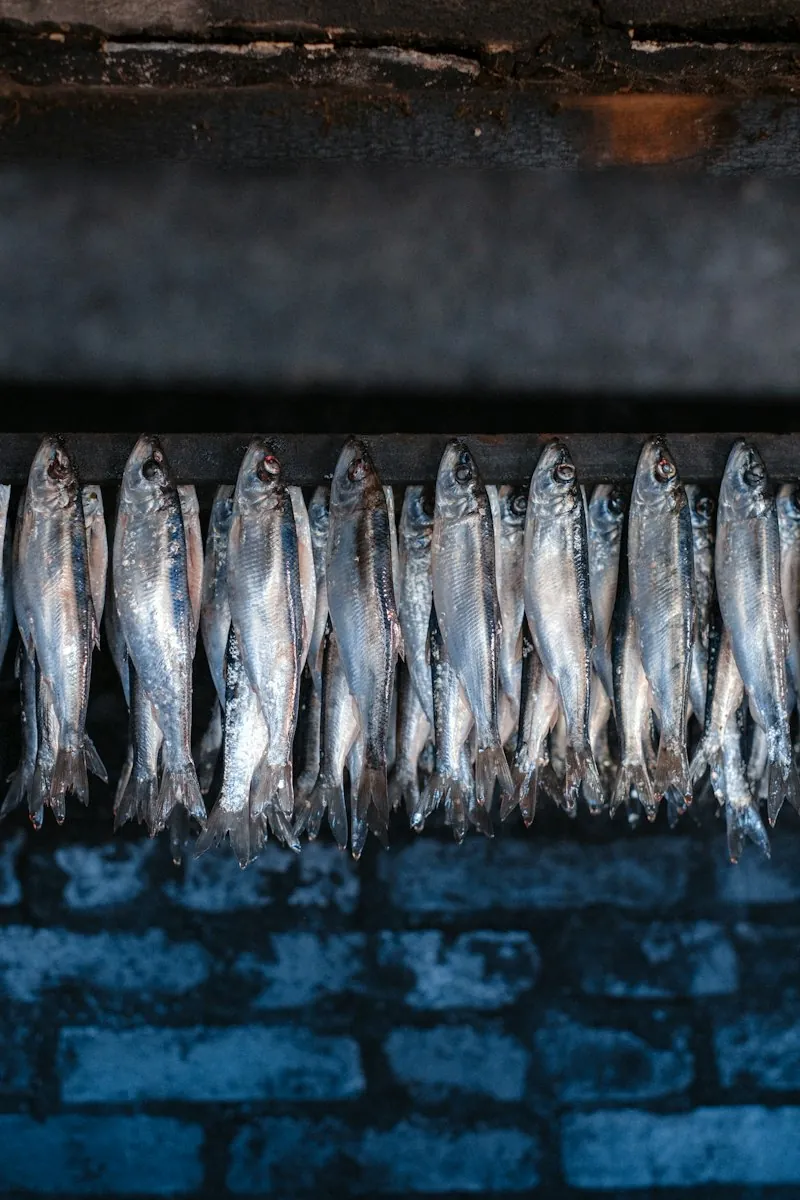
 Coming soon
Coming soon · Coming in the next few months
Stock Fish
Air-dried cod (okporoko) — the soul of Igbo soups.
Stock fish, also written stockfish, is cod that has been air-dried until it is hard, light and completely dry. Known as okporoko in Igbo, it is soaked and boiled until tender, then cooked into soups such as ofe onugbu, ofe owerri and edikang ikong.
Coming soonComing in the next few months
We are getting Stock Fish ready for Afri Foods Basket. Leave your email and we'll send one message the day it lands.
No spam. One email per launch. Unsubscribe any time.
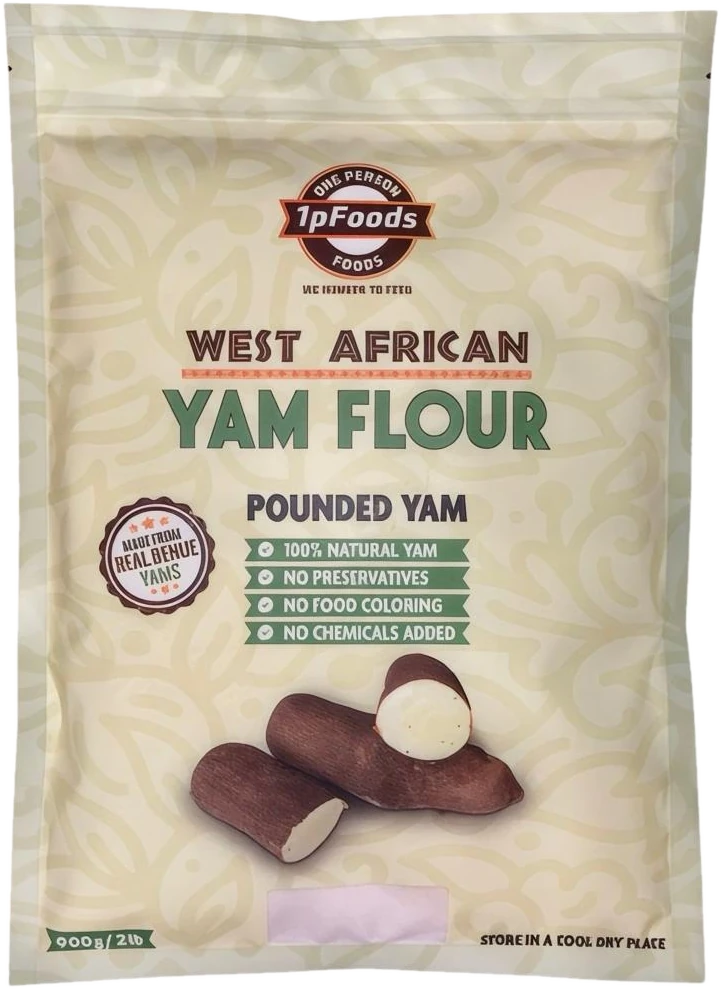
Make the swallow todayPounded yam flour is in stock and ships in 24–48 hours.
Coming soon 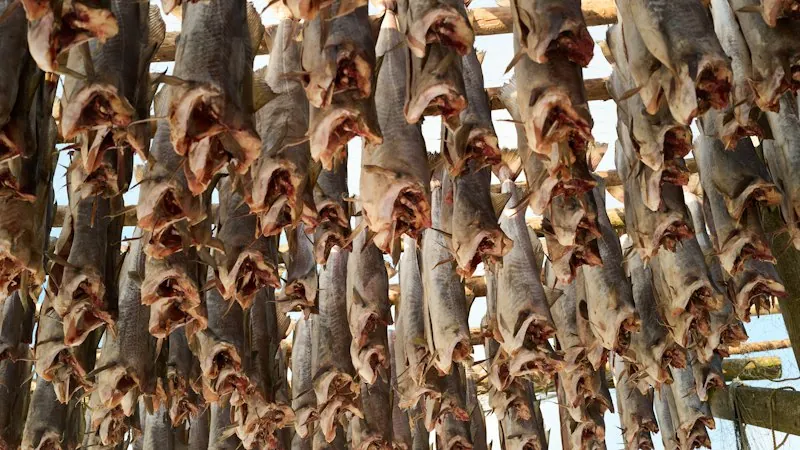
What stockfish really is, and what the label may not say
Stockfish is fish dried outdoors in cold air with no salt, no smoke and no additives. The Norwegian Seafood Council describes the process plainly: the fish is gutted, hung on wooden racks to dry for up to three months through the northern winter and spring, then left to mature indoors for months more. What comes out is a pale, rigid, very light slab that keeps for a long time without refrigeration.
Cod is the classic stockfish fish, but not the only one. The Council's own guide lists stockfish made from cod, saithe, tusk and haddock, and names Nigeria as the biggest importer of the tusk type. So two packs that both say stockfish can hold different fish. When the species is printed on the pack, read it.
How a Norwegian winter fish ended up in an Igbo soup pot
Accounts differ on details. The Council says Nigeria has been its biggest stockfish market since the 1930s, and food historians describe an agreement between Norwegian exporters and Nigerian merchants that ran from 1946 to 1951. A widely repeated Nigerian account adds that relief shipments during the civil war in the late 1960s made the fish familiar across the east. The sources that explain its staying power agree on the reasons: it survives hot, humid weather, and it gives soup a deep savory flavor. In Igbo it is okporoko. In Yoruba it is often called panla, a name with other meanings too, which the panla fish page sorts out.
Heads, round fish, split fish and pieces: the forms you will meet
Whole fish is called round fish in the trade. The Council also describes a split form, opened along the backbone but still joined at the tail, and notes that fish are tied together in pairs for drying. Cod can be run through rollers after drying, which changes the texture and leaves a pattern along the sides. Heads are sold separately, and they matter: the Council reports heads as the largest product category in Norway's stockfish exports to Nigeria.
| Form | What it is | Cold-soak time given by the Council |
|---|---|---|
| Round (whole) fish | The entire dried fish, cut into portions after soaking | About 7 days |
| Rolled cod | Dried cod passed through rollers | About 2 to 4 days |
| Other cuts | Pieces and portions of varying thickness | 2 to 3 days as a general figure |
| Heads | Dried heads with cartilage and bone | No figure given |
One more term trips people up. Tusk is a real stockfish fish, as above. Titus is not a stockfish term at all: in Nigerian markets that word means mackerel, a different fish. Properly graded stockfish is sorted by hand into more than twenty categories by size, color and quality.
Soaking stockfish: the slow cold way and the quick hot way
The Norwegian method is patient. Cover the fish with clean cold water at about 36 to 39 degrees Fahrenheit, which means the refrigerator, and change the water at least once a day. The skin can come off during the soak. The fish more than doubles in weight, so use a big container.
Nigerian home cooks often start with hot water instead. They wash the pieces in hot water, let them soak, then boil them until the flesh pulls from the bone. That works, but hot water cools to room temperature in a few hours, and the CDC advises refrigerating perishable food within two hours, or one hour if the room is above 90 degrees. For anything longer than a short soak, move the bowl to the refrigerator.
One difference from other dried fish: stockfish is not salted. You are soaking water back in, not salt out, though dust and grit still need rinsing away.
One pot, start to finish: ofe onugbu
Bitterleaf soup shows why stockfish goes in early. Following a well-known Nigerian recipe, the order is:
- Boil the assorted meats, tougher cuts first and softer ones later.
- When the meat is tender, add the stockfish and cook until it is soft.
- Stir in ground crayfish, smoked prawns and ground pepper.
- Add palm oil and cook for three to four minutes.
- Thicken with pounded cocoyam in small spoonfuls, or with achi or ofor powder.
- Season, add ogiri, and put the washed bitterleaf in last for only two to three minutes.
Stockfish has the longest cooking time of any fish in the pot, so it sits with the meats. Smoked fish often joins later, as in oha and banga recipes, so it does not fall apart. A popular oha soup recipe also uses cocoyam to thicken and adds the stockfish during the meat stage. In afang soup the fish is boiled with the meats until very soft, then periwinkles, ground crayfish and pepper go in, and the leaves cook only briefly at the end.
How much to buy for a family dinner and for a party
Weight is a poor guide, because soaked stockfish more than doubles. Recipe writers count pieces instead: one popular egusi recipe uses a single medium piece of smoked fish or stockfish for the pot, while an egusi pepper soup recipe asks for two or three medium pieces of stockfish or dried fish. For a party, soak and boil the fish the day before, keep it covered in the refrigerator, and add it to the soup on the day. Soaking a little extra is cheap insurance, and leftover softened fish goes into the next pot.
Stockfish next to the other fish in the pot
Stockfish gives chew and an unsmoked, deep savory flavor. Smoked bonga gives smoke and flakes into the sauce. Dried catfish brings firm pieces for picking at. Many soups use two or three of them together, which is why Nigerian recipes so often list stockfish and smoked fish side by side.
Keeping it: dry, frozen or soaked
A dry pack belongs in a sealed bag or container in a cool, dry place, with the smell contained. The Council says stockfish can be kept frozen for up to 18 months. Once soaked, treat it as perishable seafood: keep it refrigerated and cook it soon. Fish in a finished soup should be heated through until steaming hot before you serve it again.
Where Afri Foods Basket stands on stockfish
Stockfish is not on sale here yet, and there is no date to promise. The Notify me form on this page is how you will hear if and when it is listed. A soup like ofe onugbu wants a swallow to scoop it up, and our 2 lb bag of pure pounded yam flour is in stock. The other fish are all on the dried fish and seafood page, listed the same way.
Goes well in
Ofe onugbu (bitterleaf soup)Ofe owerriOha soupEdikang ikongAfang soupEgusi soup
Questions
Stock Fish FAQ
Still have a question?
Real people, happy to help.
Chat on WhatsApp (734) 219-0258 hello@afrifoodsbasket.com Browse all FAQsStockfish is cod that has been air-dried until it is very hard and completely dry. In Igbo it is called okporoko. It is a key flavoring fish in many Nigerian soups, but it has to be soaked and boiled until tender before it goes into the pot. Many cooks love its strong, savory smell.
Pour hot water over the pieces and let them soak until they soften, which can take several hours for thick cuts. Then boil with salt and onion until the flesh comes away from the bone. Pick out any hard bones and add the fish to your soup early. Taste any cooking water before using it as stock.
Keep it dry in a cool spot, sealed in a bag or airtight container so it stays dry and the smell does not spread. Never put it away damp. After soaking or boiling, keep it covered in the refrigerator like any other cooked fish and use it soon. Follow any storage guidance printed on the pack.
Stockfish is coming to Afri Foods Basket in the next few months. It is not for sale yet, and we cannot give an exact date. Press Notify me on this page and we will tell you when it is listed. Meanwhile, you can order our pounded yam flour, the classic swallow to serve with stockfish soups.
No. Stockfish is air-dried outdoors without salt, while salt cod, often called clipfish, is salted before it is dried. That changes how you prepare them. Stockfish is soaked to put water back in, and Norwegian guidance calls for cold water changed daily. Salted fish needs repeated water changes to draw salt out. Do not swap one for the other in a recipe without adjusting.
It depends on the soup. Heads are the largest stockfish product Norway sells to Nigeria, and they carry cartilage and bone, so cooks use them for slow, flavor-building simmers. Cut pieces give more eating meat. Many cooks put one of each in the same pot. Heads are bonier, so allow generous soaking and cooking time, and check the pack for the size and cut.
The Norwegian Seafood Council says stockfish can be kept frozen for up to 18 months, though a dry pack also keeps in a cool, dry place without freezing. If you soak more than you need, keep the extra covered in the refrigerator and use it soon, or follow the storage advice on the pack. Either way, keep it sealed so the smell does not spread.
Often, yes. The Norwegian Seafood Council says stockfish is known in Nigeria as okporoko or panla, and Yoruba cooks commonly use panla for it. But many African grocers use panla for smoked or frozen hake instead. If a recipe says panla, check whether it means stockfish, and when you buy, read the species and drying method on the pack.
More coming soon
Coming soon Coming soon
 Coming soon
 Coming soon