
 Coming soon
Coming soon · Coming in the next few months
Mangala
Classic dried fish for stews and soups.
Mangala is the market name for a dried fish used in everyday Nigerian stews and soups. It is soaked, rinsed and simmered so that its concentrated, savory flavor spreads through the pot.
Coming soonComing in the next few months
We are getting Mangala ready for Afri Foods Basket. Leave your email and we'll send one message the day it lands.
No spam. One email per launch. Unsubscribe any time.
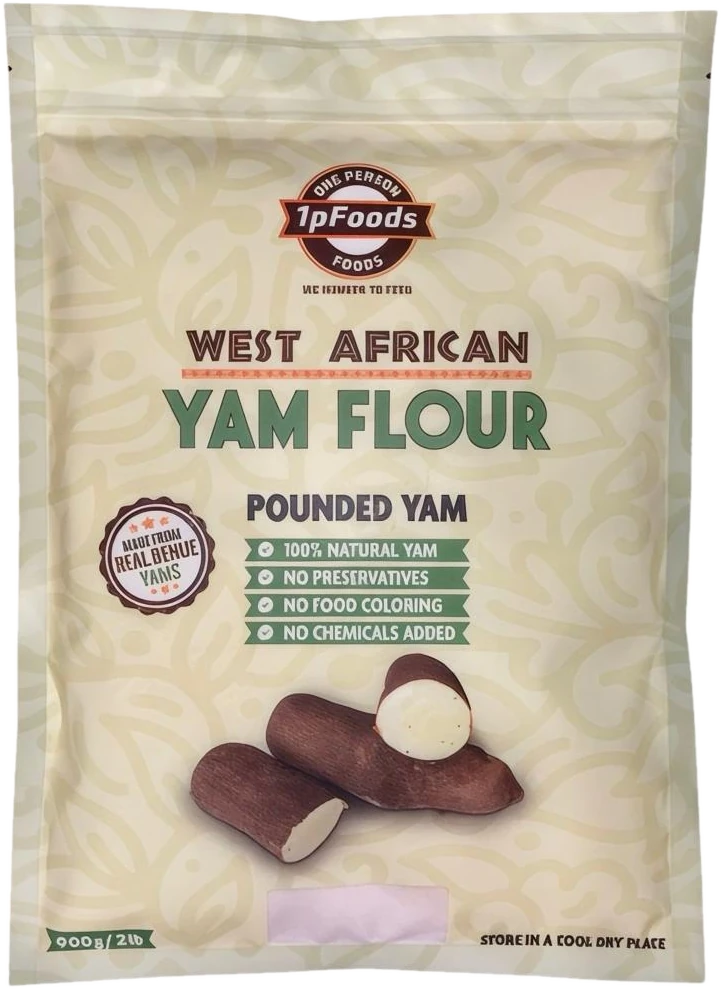
Make the swallow todayPounded yam flour is in stock and ships in 24–48 hours.
Coming soon 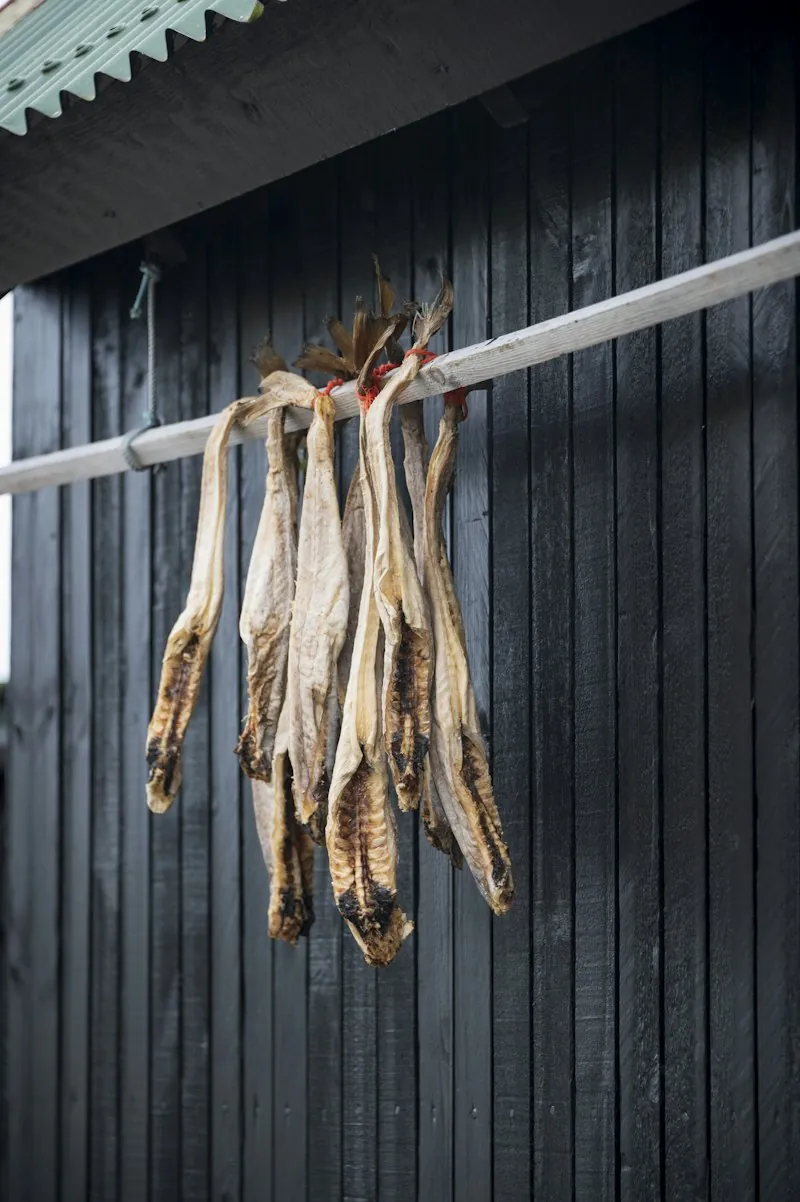
What mangala means, and where the references stop
Mangala is one of the least documented names in this whole range, so this section sets out what the references say and where they stop, rather than offering a tidy definition.
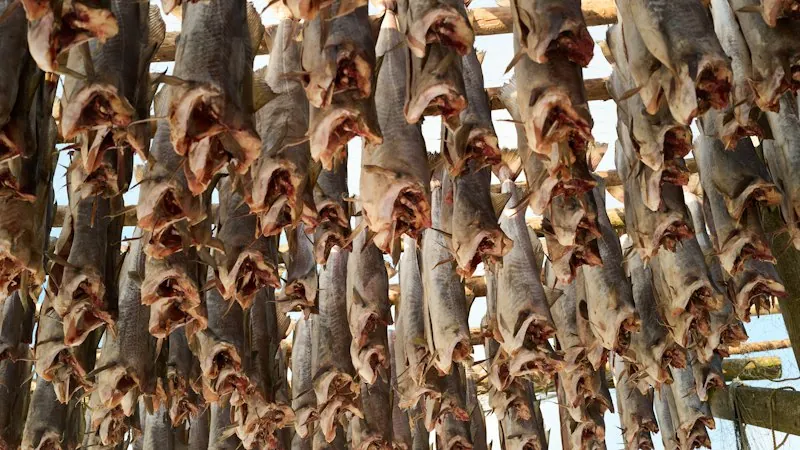
- A community cookbook entry on Nigerian dryfish says that whole dried fish are often shaped into a circle and pinned, while mangala is its example of fish cut into pieces instead.
- A community recipe for abacha, the Igbo cassava salad, lists "dried catfish (mangala)" among the fish you can use.
- A fish-types guide says the shiny river fish asa is typically dried in the mangala way, without explaining what that way is.
- Several African grocery sites list no product under the name at all.
None of these entries gives a species, a region of origin or a grade, so this page does not state one. Treat mangala as a market name for a style of dried fish, probably cut into pieces and sometimes described as catfish, and let the pack decide. If a listing does not say which fish it is, that is a reason to ask before you buy.
Coiled whole fish versus cut pieces: what shape tells you
Coiled fish are dried whole, bones and sometimes innards included, which is the likely shape of catfish round. Cut pieces are a different animal in the kitchen. They are easier to count and portion, and as a general rule of soaking, water reaches the middle of a piece sooner than the middle of a thick whole fish. That is reasoning, not a published rule, so test before you trust it.
A test-soak for any dried fish you cannot identify
- Break off one small piece and cover it with boiling water. A community cookbook on Nigerian dryfish gives anything from one minute to an hour in boiling water, depending on how dry the fish is.
- If it is still hard, keep soaking in fresh hot water, or move it to the refrigerator for a longer soak. One West African cook notes that soaking time depends on both the fish and how it was dried.
- Rinse the piece and taste a flake. If it is salty, the pack probably holds a salted fish, and the soaking water needs changing once or twice.
- Wash the rest properly. Fish oil on the skin attracts dust, sand and sometimes insects.
- Pull the flesh from the bones and any innards, then use the timing you learned for the whole batch.
Do not leave a bowl of soaking fish on the counter for hours. The CDC's limit for perishable food at room temperature is two hours, or one hour in a hot room.
Abacha: a dish where dried fish is eaten, not just simmered
Most dried fish ends its life in a soup pot, where long simmering forgives a lot. Abacha does not. The Igbo dish is built on boiled, shredded cassava, with oil bean seed, an emulsion of palm oil and potash, ground crayfish, calabash nutmeg and habanero. According to the community recipe, at least one fish must go in, and the options include stockfish, dried catfish (mangala), fried mackerel or smoked fish, all mixed straight into the palm oil sauce.
Nothing cooks the fish afterward, so it has to be fully softened and boned before it touches the dish. Soak and rinse it, flake it small, and check each handful for bones. Use clean tools and a clean bowl, keep leftovers refrigerated, and do not let the finished salad sit out for more than two hours.
In the soup pot: early or late?
Timing follows hardness. In one popular egusi recipe, a medium piece of smoked fish or stockfish goes into the pot after the egusi has cooked for about five minutes, and simmers with the meats. A Delta banga recipe adds the smoked fish at the very end, for just two to three minutes. Hard, bone-dry pieces belong at the early end of that range. Pieces that are already soft after your test-soak can go in late. Dried fish is concentrated, so as one cook puts it, a small piece has a big effect on the taste of the pot.
Salt and seasoning: taste before you add any
Dried fish varies in salt. Stockfish is dried without any, while some West African dried fish are salted, and seasoning cubes can add salt and MSG on top. With a fish whose identity you cannot confirm, taste the soaked flesh, season the soup lightly, and adjust at the end. It is much easier to add salt than to remove it.
Telling mangala from its look-alikes
- A coiled, smoky fish labeled catfish is catfish round.
- A golden, brittle, smoke-dried fish sold as hake or eja kika is panla.
- A pale, unsmoked, rock-hard fish is probably stockfish, which needs days, not minutes, of soaking.
- A fish sold as asa is described by that guide as dried the mangala way, so the two names may overlap.
Keeping it
Keep dried fish airtight, cool and dry. Fish that feel soft or flexible rather than snapping dry are likely to be less thoroughly dried, so they belong in the refrigerator or freezer. Once soaked, treat the fish as perishable.
Mangala: what to expect when it is listed
Mangala cannot be ordered yet. If it is listed later, check that the page names the fish and says whether it is whole or cut, and use the Notify me form on this page to hear about it. Abacha is not a swallow dish, but many of the soups that use dried fish are eaten with one, and our pounded yam flour is on sale now. Everything else in the family sits in the dried fish and seafood category.
Goes well in
Egusi soupOkra soupEfo riroOgbono soupTomato and pepper stew
Questions
Mangala FAQ
Still have a question?
Real people, happy to help.
Chat on WhatsApp (734) 219-0258 hello@afrifoodsbasket.com Browse all FAQsMangala is a market name for a dried fish used in Nigerian stews and soups. Names for dried fish vary between sellers and regions, and the species behind a name can differ, so some cooks may call similar fish something else. We will describe the fish clearly on its product page when it is listed.
Soak the fish in hot water until it softens, then rinse well to remove salt and grit. Cut or tear it into pieces and add it to your stew or soup early so it simmers with the base. Give thicker pieces longer to soften before you start.
Taste first. Dried fish carries some saltiness, and seasoning cubes and other ingredients add more. Rinse the fish well after soaking, let the soup simmer for a while, then taste and adjust. It is much easier to add salt at the end than to take it out.
Mangala is coming to Afri Foods Basket in the next few months. It is not for sale yet, and we cannot give an exact date. Press Notify me on this page and we will tell you when it is listed. Meanwhile, you can order our pounded yam flour to serve with your soups.
No. Stockfish is cod or a close relative, air-dried unsalted and unsmoked, and it needs days of soaking. Mangala is a name for a style of dried fish, and community cookbooks describe it as cut into pieces, with one calling it dried catfish. Their species, drying and soaking times differ, so do not substitute one for the other without testing.
Possibly. One community abacha recipe lists dried catfish as mangala. But a fish guide says the river fish asa is dried the mangala way, and a dryfish entry treats mangala as a cut style rather than a species. So the name may describe preparation, not a particular fish. If the pack does not name the fish, ask the seller.
The name rarely shows up in product listings. Several African grocery sites have nothing under it, and the cookbook mentions are brief. Sellers may use another name for the same dried fish, or sell it simply as dried fish. If you want it, look at the photos and descriptions, and ask which fish and cut it is.
Break a piece open. It should be soft all the way through, with flesh that pulls away from the bones and no hard, dry core. Soaking time depends on how dry the fish is: one community cookbook gives one to sixty minutes in boiling water. If the middle is still hard, soak longer in fresh hot water, then rinse before cooking.
More coming soon
Coming soon Coming soon
 Coming soon
 Coming soon