
 Coming soon
Coming soon · Coming in the next few months
Snail
Cleaned African land snail — a soup treat.
African land snail is a much-loved protein in Nigerian cooking, served in pepper soup, stews and peppered snack dishes. The meat is firm and slightly chewy, and it soaks up the flavor of the pot around it.
Coming soonComing in the next few months
We are getting Snail ready for Afri Foods Basket. Leave your email and we'll send one message the day it lands.
No spam. One email per launch. Unsubscribe any time.
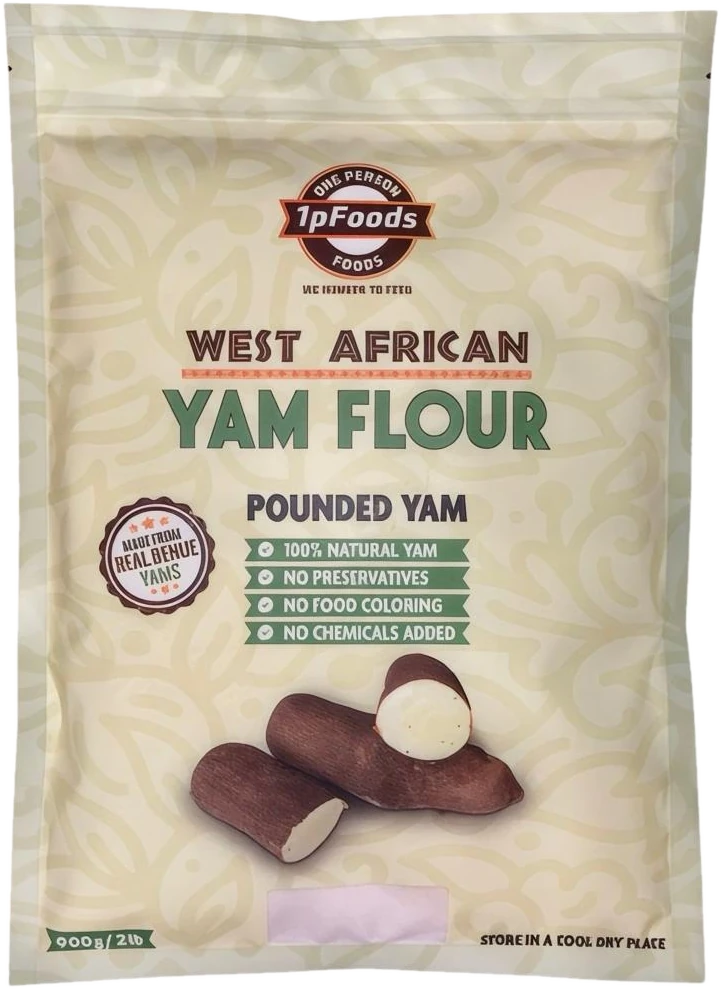
Make the swallow todayPounded yam flour is in stock and ships in 24–48 hours.
Coming soon 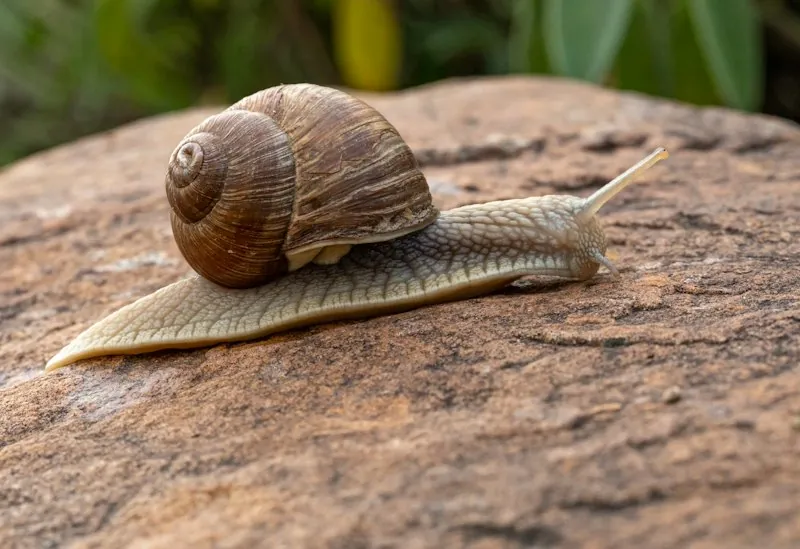
Which snail? The giant land snails of West African cooking
When Nigerian cooks say snail, they mean the big land snails of West Africa. Two species come up most in references. Archachatina marginata, the giant West African snail, is a nocturnal forest dweller that can reach about 20 cm in length, with a native range from Cameroon to the Democratic Republic of the Congo. Achatina achatina, the agate or Ghana tiger snail, reaches about 18 cm and lives in West Africa within a few hundred kilometers of the coast, Nigeria included. A reference page on the second species calls it an important source of animal protein for forest-dwelling communities in West Africa.
In Yoruba the snail is igbin. One Igbo word list gives eju, with spelling variants. Sellers of processed snail rarely name the species on the pack, and which one a future listing would contain is not yet known. If it matters to you, ask.
Snail in the pot: ofe owerri and pepper soup
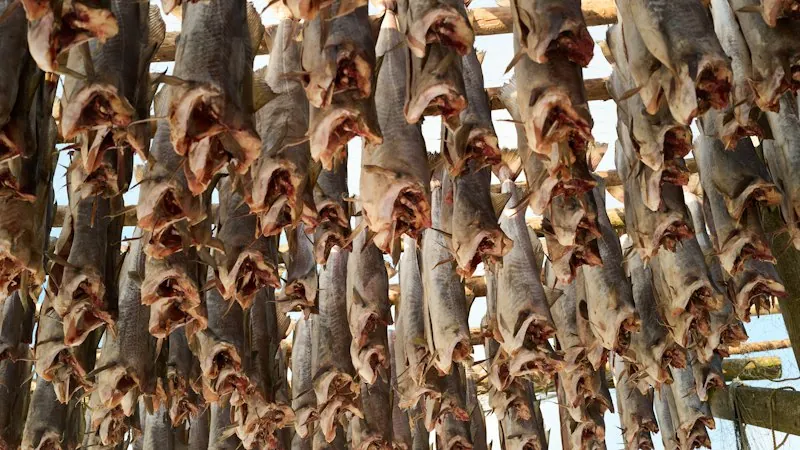
Snail turns up in two very different places. In ofe owerri, the Igbo soup described as one of the costliest, it is one of the assorted meats. Sisi Jemimah's recipe lists 600 grams of snail, beef, goat, ponmo, shaki and cow leg, boiled in order of toughness, and adds stockfish and smoked fish only once every meat is tender. The leaves, okazi, ugu and uziza, go in last.
The other home is snail pepper soup. Descriptions of Nigerian cuisine give it as a pepper soup whose main ingredient is the African giant snail. Pepper soup in general is a thin broth of meat or fish seasoned with chili, salt, scent leaves and calabash nutmeg, and it is one of the few Nigerian soups people eat on its own instead of with a swallow.
The frame of a pepper soup, and where snail would sit in it
A published catfish pepper soup recipe cooks a cleaned fish with a little stock for about 25 minutes, covered, seasoned with pepper soup spice, a seasoning cube, salt, a spoonful of oil and a pinch of utazi or bitterleaf. Scent leaf goes in near the end, and a reader's tip says ready-mixed pepper soup spice is sold commercially. A snail pepper soup follows the same frame. No cooking time for snail is documented, so simmer it in the broth until it is tender all the way through, follow any directions on the pack, and add the scent leaf at the end so it stays fragrant.
Cleaning snail: the washing method and the rubs you may hear about
Snail meat is slimy, and cooks deal with that by rinsing and by salt. A general reference on cooking edible land snails describes washing them under running water, washing again in salted water to cut the slime, then boiling them in salted water for roughly a quarter of an hour once they leave their shells. That description is for European edible snails, not the giant African species, and Nigerian kitchens have methods of their own. You may hear that those involve lime, lemon or alum. None of them is confirmed on a reliable page, so we do not recommend them.
Processed snail meat is a separate matter. It can reach a kitchen in different states, so the directions on the pack matter more than anything written here. If it says to boil before use, boil it.
Cook it thoroughly, and why
The US Centers for Disease Control and Prevention advises against eating raw or undercooked snails and slugs, because they can carry the rat lungworm parasite, and recommends washing hands and utensils after handling raw snails. Reference pages on the giant West African snail note that the species can carry that parasite. The CDC page gives no snail-specific temperature, so rely on the pack directions and on recipes that simmer the snail until it is tender all the way through. Treat cooked snail like any cooked meat: it belongs in the refrigerator within two hours of cooking, or within one hour if the room is above 90 F.
An allergy note that is easy to miss
Snails are molluscs. The nine major allergens under US labeling law are milk, eggs, fish, crustacean shellfish, tree nuts, peanuts, wheat, soybeans and sesame, and molluscs such as clams, mussels and oysters are not on that list. A label may therefore flag shrimp or crab without saying anything about snail. Anyone with a shellfish or mollusc allergy should speak to an allergist before trying snail, and should read the whole ingredient list of any seasoned product, because blends and sauces can contain other allergens. Our ground crayfish page is a reminder that crayfish itself is a shellfish and is routinely stirred into the same pots.
What a snail pack should tell you
- Whether the meat is raw, cleaned or already cooked, and whether it has been frozen.
- The species, if the supplier knows it.
- Storage directions, the best-before date and an ingredient list.
- The weight of the meat, not of the shell and packing.
If a pack does not answer these, ask the seller before you buy. We are not describing any specific pack, because there is none to describe yet.
Serving it
Ofe owerri is served with several swallows, pounded yam among them, so a pot with snail in it welcomes one made from our pounded yam flour, which is in stock now. The soup also wants stockfish and smoked fish. Snail pepper soup stands alone in a bowl. If you want another smoked fish for a pepper soup, mud fish is the page to read next.
Hearing when snail is listed
Snail is not yet for sale, and no date is set. The Notify me form on this page records your email so you hear the day it is listed. The rest of the category is one click away.
Goes well in
Snail pepper soupPeppered snailsOkra soupEgusi soupOfe owerri
Questions
Snail FAQ
Still have a question?
Real people, happy to help.
Chat on WhatsApp (734) 219-0258 hello@afrifoodsbasket.com Browse all FAQsThe meat is firm and slightly chewy, with a mild flavor that takes on whatever it cooks in. That is why snail is so often paired with spicy pepper soup or a rich sauce, where it soaks up the seasoning and adds a satisfying bite.
Traditionally, cooks rinse snail thoroughly and rub it with lime or lemon juice, or with salt or alum, to loosen the slime, then rinse again several times. Boil it briefly and drain before adding it to the recipe. Follow any preparation notes on the pack.
Treat snail like any perishable meat. Keep it refrigerated or frozen as the pack directs, and cook thawed snail promptly rather than leaving it out. Cooked snail should be cooled quickly and stored in the refrigerator in a covered container, then reheated until very hot before you serve it.
Yes, cleaned African land snail is coming to Afri Foods Basket in the next few months, with no date to share yet. Press Notify me on this page and we will let you know when it can be ordered. Our pounded yam flour is available right now.
Snails are molluscs. Under US labeling law the nine major allergens include fish and crustacean shellfish such as shrimp and crab, but not molluscs, so a label may not flag snail. People with a shellfish or mollusc allergy should ask their allergist before trying snail and read the whole ingredient list on any seasoned product.
The CDC advises against eating raw or undercooked snails and slugs because of the rat lungworm parasite, which reference pages say the giant West African snail can carry. Cook snail thoroughly, wash your hands and utensils after handling it raw, follow any directions on the pack, and refrigerate cooked snail promptly.
Both are giant West African land snails eaten in Nigeria. Archachatina marginata is the giant West African snail, up to about 20 cm long, from forest habitats between Cameroon and the Congo. Achatina achatina, the agate or Ghana tiger snail, reaches about 18 cm. Sellers rarely name the species, so ask if it matters to you.
Yes. Sisi Jemimah's ofe owerri recipe lists snail among 600 grams of assorted meats with beef, goat, ponmo, shaki and cow leg, all boiled in order of toughness before the stockfish, smoked fish and leaves go in. Pepper soup is the best-known snail dish, but snail also appears in rich leaf soups.
More coming soon
Coming soon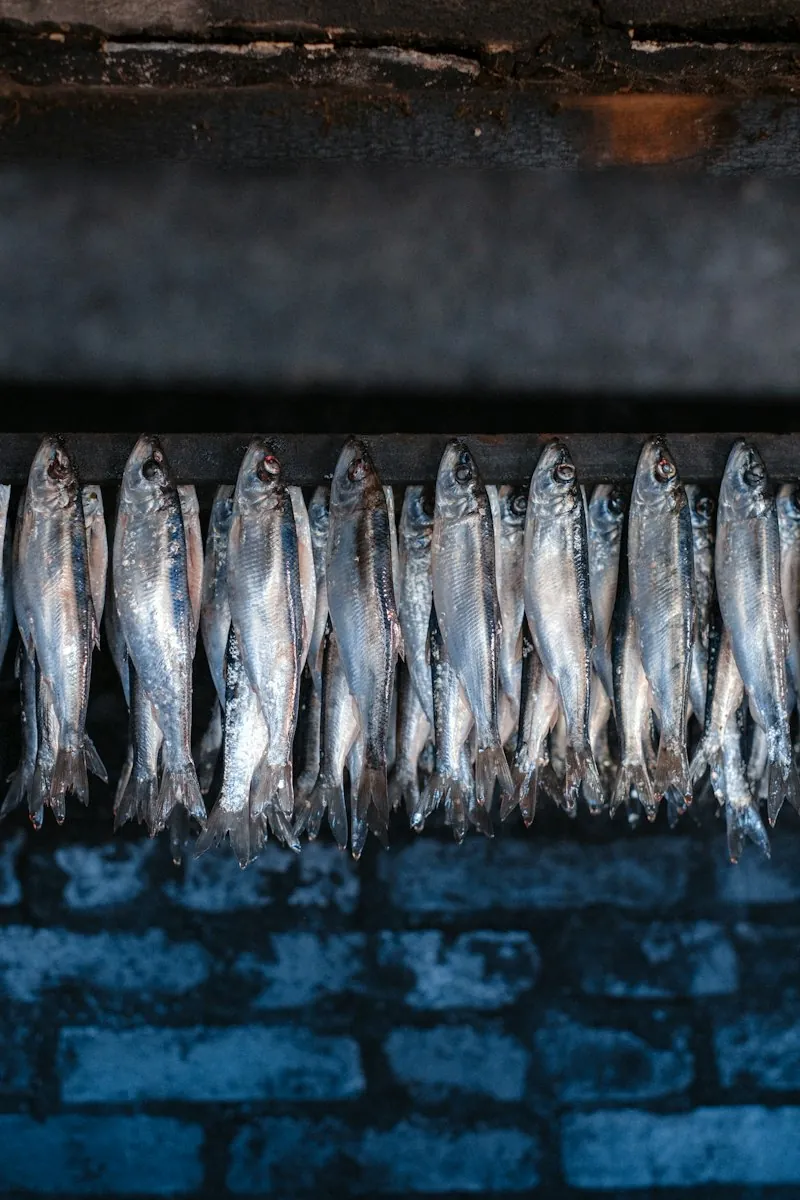 Coming soon
 Coming soon
 Coming soon