
 Coming soon
Coming soon · Coming in the next few months
Abo Fish
Firm smoked fish that holds its shape in stews.
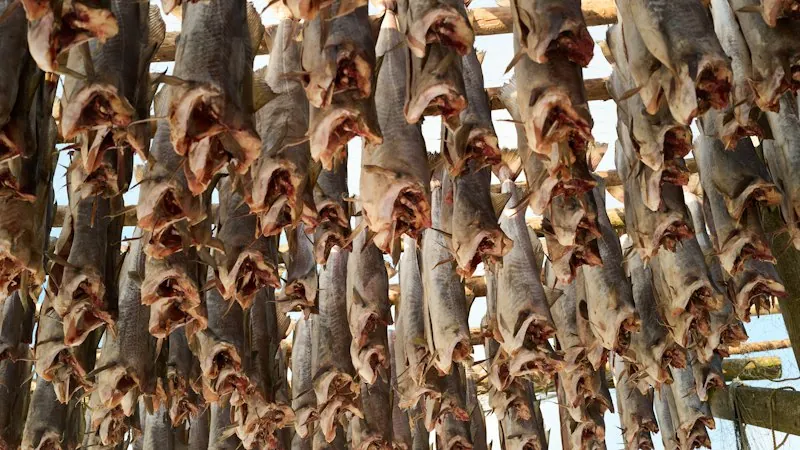
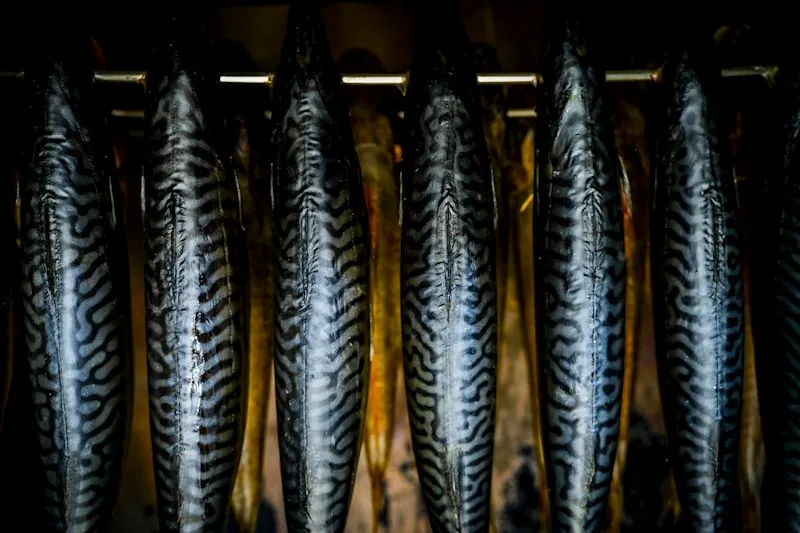
Abo fish is the market name for a firm smoked fish that keeps its shape through long cooking. Nigerian cooks simmer it in tomato stew, egusi, okra soup and efo riro, where it stays in neat, meaty pieces.
Coming soonComing in the next few months
We are getting Abo Fish ready for Afri Foods Basket. Leave your email and we'll send one message the day it lands.
No spam. One email per launch. Unsubscribe any time.
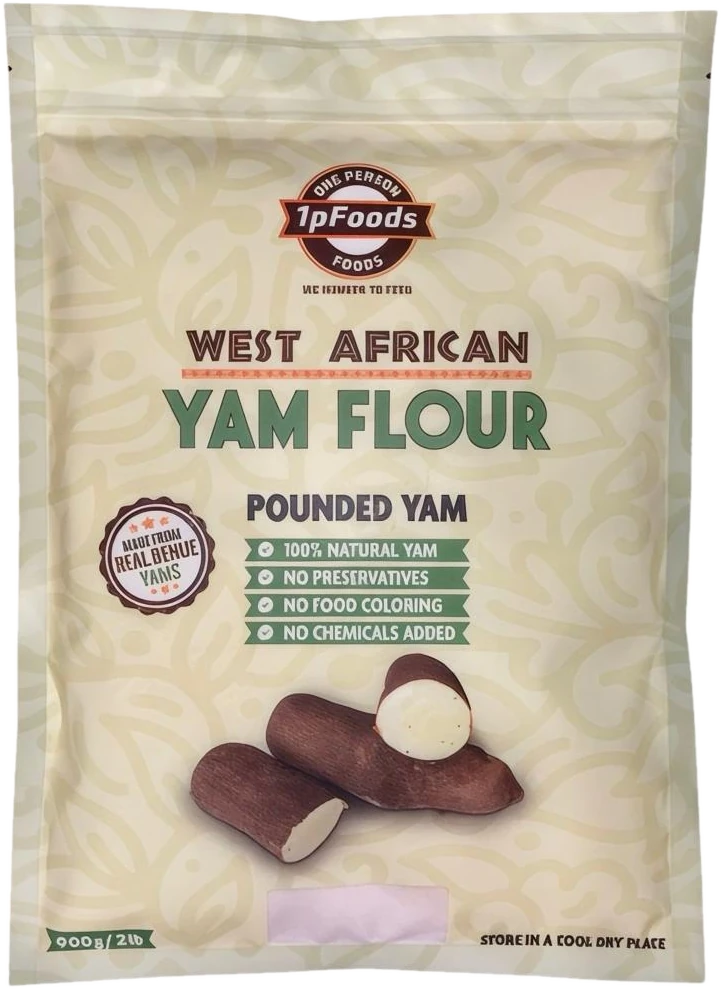
Make the swallow todayPounded yam flour is in stock and ships in 24–48 hours.
Coming soon 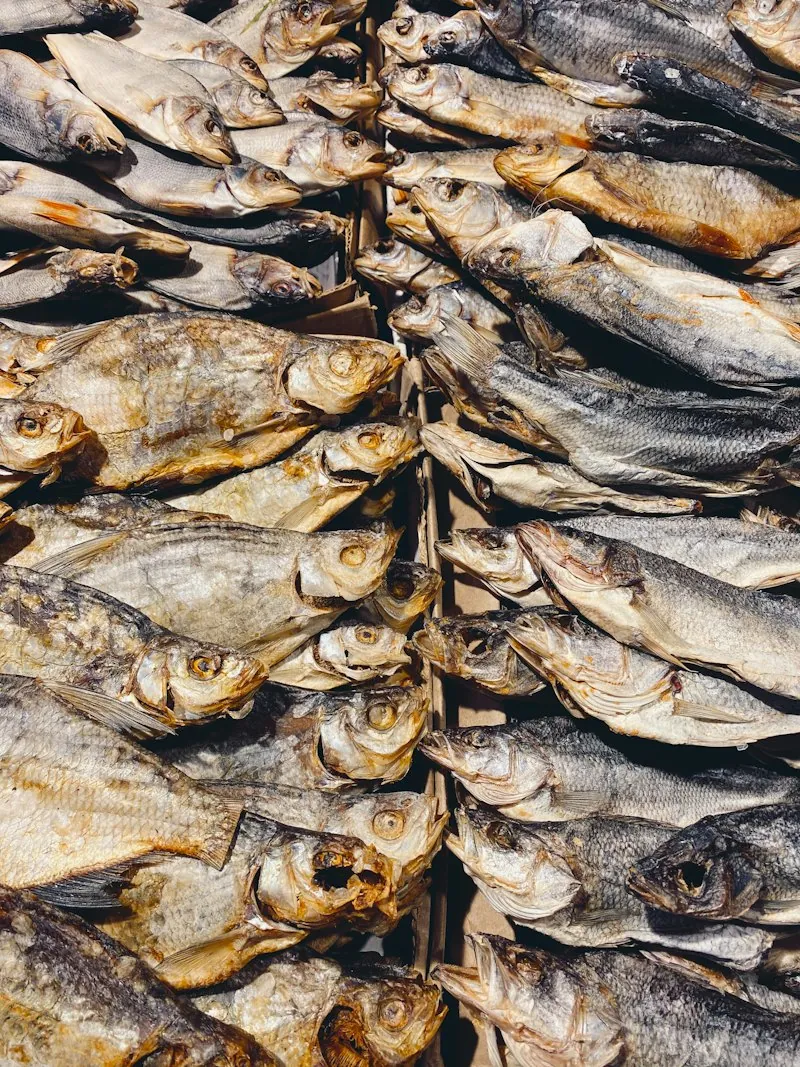
Abo fish is sold as dried sole, and the name has company
Grocers who sell Nigerian ingredients describe abo fish, eja abo in Yoruba, as dried or smoked sole, a flatfish. Listings from small African markets and large online marketplaces use that wording, and one Nigerian food post calls eja abo a slim flat fish that lives on the sea floor. That fits the tonguesoles of West Africa. FishBase, for example, describes the Senegalese tonguesole (Cynoglossus senegalensis) as a flat, elongated fish of sand and mud bottoms, found from Mauritania to Angola and sold frozen as fillets under the name filets de sole. Abo listings do not name the species behind the dried fish, so treat "sole" as a market description rather than a Latin name.
Then there is the Yoruba word kika. Several abo packs carry "eja kika" in the title, yet other sellers use the same words for panla, which most describe as dried hake, and a few for barracuda. The term looks more like a general word for smoked, dried fish than a species name, so the English name on the pack is the better guide.
Why efo riro is the natural home for dried sole
Efo riro is a Yoruba vegetable stew. The traditional greens are Celosia argentea and Amaranthus hybridus, with spinach and pumpkin leaves common stand-ins, cooked down with peppers and palm oil and traditionally enriched with stockfish, crayfish, fish and meat. It is eaten with iyan, fufu, eba or amala. Retail listings for abo name efo riro first, then egusi and ogbono.
The efo riro recipe from Sisi Jemimah shows the timing. Locust beans fry in the palm oil for about a minute, then the peppers cook for 15 to 20 minutes until reduced by half. Stock goes in, the meats and fish simmer for about ten minutes, and the greens finish in the leftover heat for around five. If you use spinach, squeeze out nearly all its water first or the stew turns soggy.
How to work abo into that stew
No soak time for abo itself is documented. The nearest published guidance is for dried catfish: 10 to 20 minutes in warm salted water, then a cold rinse. Sole pieces are thin, so start at the short end and check early. That is an inference from the shape of the fish, not a published rule.
- Rinse the pieces, then soak them in warm salted water for about ten minutes. Press the thickest part. It should feel pliable, and if it is still stiff, give it a few more minutes.
- Drain, discard the water and rinse under cold water. Break the fish into portions and pick out bones and any hard skin as you go.
- Add the fish after the pepper base has reduced and the stock is in, alongside the other proteins, for roughly the last ten minutes.
- Stir the greens in at the very end, on the lowest flame, and lift rather than stir hard so the fish stays in recognizable pieces.
Egusi: a later arrival in a half-hour pot
In Sisi Jemimah's egusi soup, the pepper base fries for ten minutes, stock goes in, and then the ground egusi mixed with blended onion and crayfish cooks for five minutes. Only then do the dried fish, stockfish, meats and extra crayfish join, and they simmer five to seven minutes before the greens. The whole soup takes about 30 to 35 minutes from start to finish. A fish that arrives that late needs only its soak and a short simmer, which makes a thin dried flatfish a practical choice for a weeknight pot.
Whatever the soup, taste before you add salt. Stock, seasoning cubes, crayfish and the fish can all contribute salt, and it is much easier to add than to remove.
Mistakes that leave efo riro watery or flat
- Rushing the pepper base. The recipe above cooks the peppers for 15 to 20 minutes until reduced by about half, and everything else is built on that.
- Adding wet greens. Squeeze spinach nearly dry, as the recipe advises, or the water thins the stew.
- Cooking the greens too long. The recipe leaves them to finish in the leftover heat for about five minutes.
- Over-soaking the fish. Published advice warns that a long soak leaves smoked catfish soft and short on flavor, and the same logic is worth applying to a thin flatfish.
Buying abo by weight, not by piece
Online listings count abo by the piece, usually three to six in a pack, and pieces vary in size. Wherever you shop, ask for the weight and a photo of the actual fish. Flat dried pieces can be brittle, so a bag full of crumbs suggests rough handling. Check for white fuzz or powdery patches, which can be mould, and walk away from sour, musty or ammonia-like smells. A bag that feels damp inside is a warning sign too, since moisture is what lets mould start.
Storing it, and a word for people with allergies
Keep abo sealed in an airtight bag or box, away from stove steam and sunlight, and refrigerate or freeze it if you use it slowly, as many cooks do. Cooked soup belongs in the refrigerator soon after the meal, not on the stove overnight. Anyone with a fish allergy should avoid dried fish altogether and read the label on any seasoned product, because fish is on the US list of major allergens.
What to cook while you wait for abo
Abo is still a coming-soon item. If you want a note the day it is listed, use the Notify me form on this page; there is no date yet. Meanwhile you can compare it with bonga fish and mangala, look through the whole category, or pick up pounded yam flour, since efo riro is traditionally eaten with iyan.
Goes well in
Tomato and pepper stewEgusi soupOkra soupOgbono soupEfo riro
Questions
Abo Fish FAQ
Still have a question?
Real people, happy to help.
Chat on WhatsApp (734) 219-0258 hello@afrifoodsbasket.com Browse all FAQsAbo fish is a market name for a firm smoked fish used in Nigerian stews and soups. Sellers and cooks apply fish names loosely, so the exact species can differ, and the same fish may be sold under another name elsewhere. What people value is its firm texture and smoky flavor.
Abo is prized because it is firm, but any fish will break up with hard boiling. Cut it into portions, add it to your stew or soup early, and keep the heat to a gentle simmer. Stir carefully once it has softened, and lift it out with a spoon.
A quick rinse in warm water, or a short soak in hot water, loosens smoke residue and grit, and it also softens the surface slightly. Thick pieces may need a little longer. Then add it to the pot. Taste before adding salt, since smoked fish brings its own savory flavor.
Abo fish is coming to Afri Foods Basket in the next few months. It is not for sale yet, and we cannot give an exact date. Press Notify me on this page and we will tell you when it is listed. Our pounded yam flour is on sale now, for serving with your soups.
Sellers describe abo as dried or smoked sole, a flatfish, and some name the Yoruba term eja abo beside it. The listings do not name the exact species, though West African tonguesoles fit the description. Treat sole as a market description, and check the pack for the species or country of catch if you want certainty.
Eja kika is a Yoruba term that sellers apply to several dried fish. It appears on abo packs, on panla (usually described as hake) and, in other listings, on barracuda. It works more like a general word for smoked, dried fish than a species name, so rely on the English name printed on the pack.
Retail listings name efo riro first, then egusi, ogbono and vegetable stews. In published recipes for those soups, dried fish goes in late: around the last ten minutes in efo riro, and for five to seven minutes after the egusi paste has cooked in egusi soup. Taste the pot before adding any salt.
Discard it if you see white fuzz or powdery patches that may be mould, if it smells sour, musty or like ammonia, or if the pieces feel damp or slimy. Dried fish should be dry all through. When you are unsure, do not cook it. A clean, smoky smell and brittle, dry pieces are what you want.
More coming soon
Coming soon Coming soon
 Coming soon
 Coming soon