
 Coming soon
Coming soon · Coming in the next few months
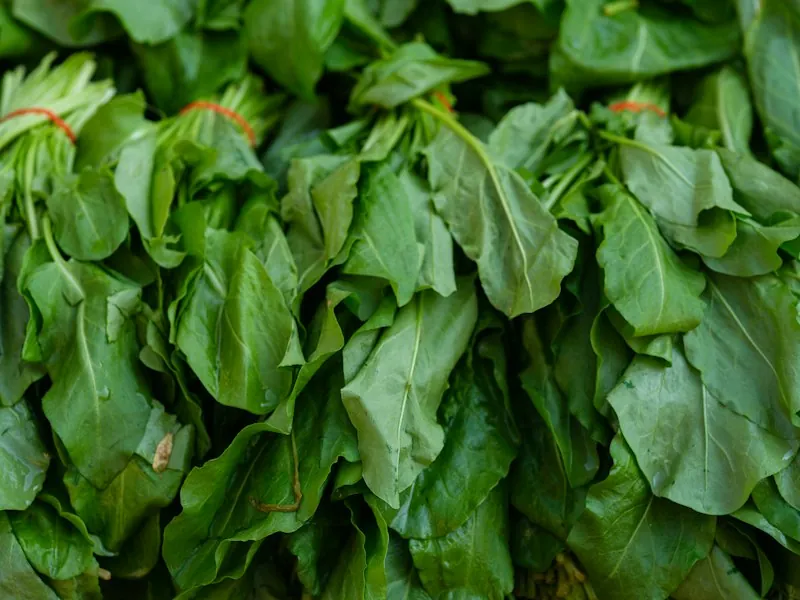
Uziza Leaf
Peppery leaves for pepper soup and nsala.
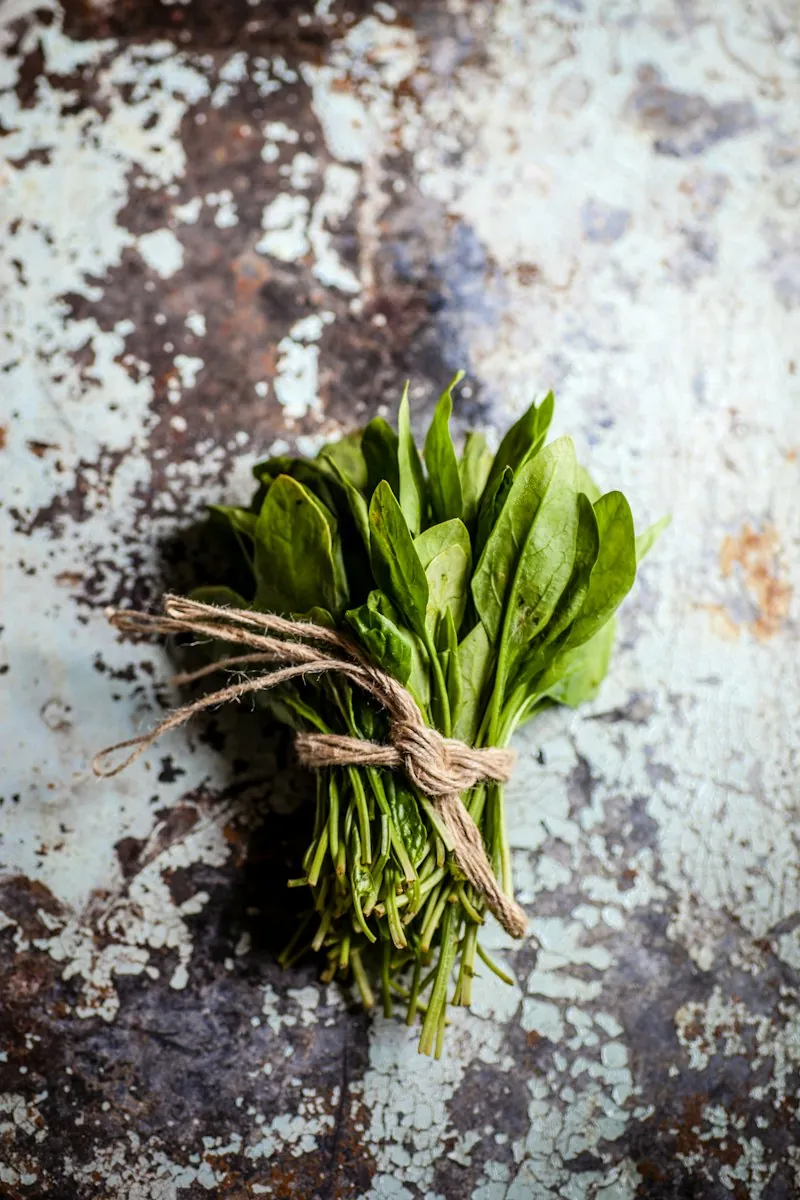
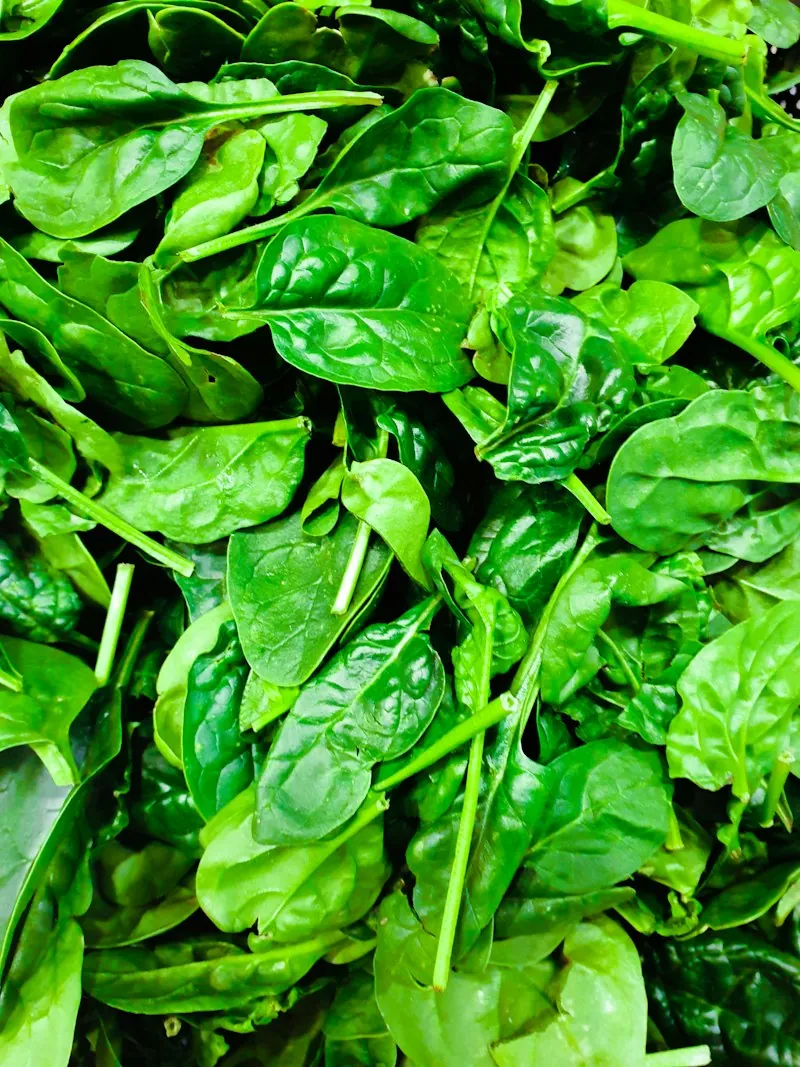
Uziza leaf is a peppery, aromatic leaf that Nigerian cooks use as an herb in pepper soup, ofe nsala and other soups. A small amount gives the pot a warm, sharp fragrance.
Coming soonComing in the next few months
We are getting Uziza Leaf ready for Afri Foods Basket. Leave your email and we'll send one message the day it lands.
No spam. One email per launch. Unsubscribe any time.
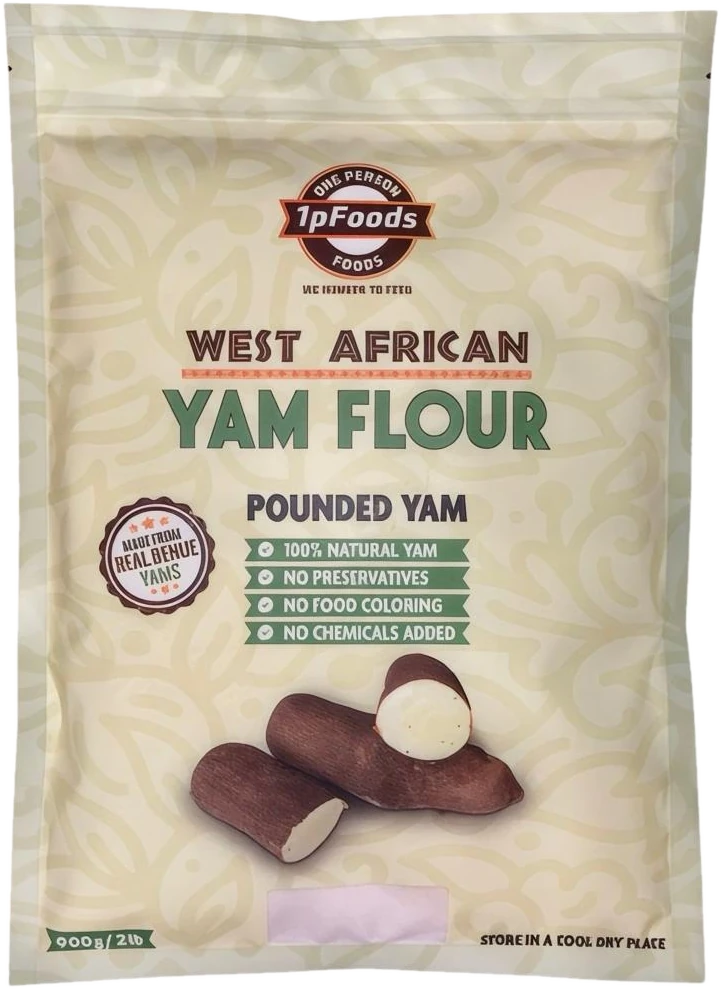
Make the swallow todayPounded yam flour is in stock and ships in 24–48 hours.
Coming soon 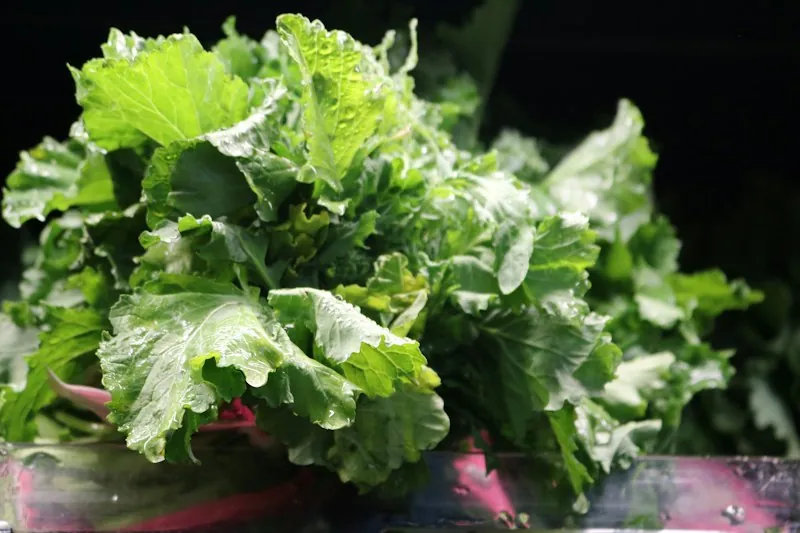
Uziza is a pepper vine, not a chili and not scent leaf
Uziza is Piper guineense, a West African climbing vine in the pepper family, related to black pepper and cubeb. Igbo cooks say uziza or oziza, Yoruba cooks say iyere, Hausa speakers say masoro, and English-language sources call it Ashanti pepper, Benin pepper or false cubeb. Its bite comes from piperine, the compound that makes black pepper pungent, and not from capsaicin, the compound in chilies. That is a different kind of sharpness, sitting beside the chili heat in a soup and not replacing it.
It is also not scent leaf. Recipes name the two as separate leaves, and some use them together. One Edo black soup blends uziza with scent leaf and keeps bitter leaf apart, and pepper soup recipes offer uziza or scent leaves as an optional finish.
Leaf and seed: two products, two strengths
Both the leaves and the fruits of the vine are used, fresh and dried. One grocer's guide to uziza describes the leaf as pale green with a spicy, peppery taste that softens during cooking, and the dried seed, ground to a spice, as stronger, more herbal and slightly bitter. A plant reference adds that the dried fruits keep for over a year when stored well and are milder than true black pepper.
So a recipe that says only uziza may mean either one, and some call for both: a published ofe nsala uses sliced leaves and ground seed together. Read the name on the pack. This page is about the leaf.
Timing sets the sharpness: from 2 minutes to 10
Published recipes disagree about how long the leaf should cook, and the spread is wide. An egusi pepper soup lets the leafy herbs finish in about 2 minutes of residual heat and warns that fresh uziza can be intense. The Edo black soup simmers its blended leaves for 2 to 3 minutes. A pepper soup recipe adds the leaf after its spices have simmered 10 to 15 minutes, then gives it 5 more. One ofe nsala lets it go 10 minutes.
Because the leaf's peppery edge is said to soften with cooking, the short end of that range gives a livelier soup and the long end a mellower one. Choose by the result you want, and when in doubt add less, since you cannot take it back out. Both pepper soup and nsala recipes call for a handful, which is a vague measure, so if you are unsure begin with half and adjust.
Ofe nsala: the soup uziza is most tied to
Ofe nsala, the white soup of Igboland, is made without palm oil and is built on fresh catfish. Yam thickens it, and uziza and utazi leaves flavor it. In one recipe the seasonings are pepper soup spice, ground uziza seed, ogiri and a seasoning cube, with scotch bonnet for heat. Yam paste goes in as small lumps and dissolves in about five minutes. Then the catfish, prawns, crayfish and uziza join, and the pot is done in about 25 minutes overall.
That recipe makes its thickener from half a cup of pounded yam flour mixed with hot water to a smooth paste, though others use fresh pounded yam, achi or cocoyam. For the fish, see catfish round.
Pepper soup, ogbono and oha: smaller parts in bigger pots
In pepper soup the leaf is a finish. One recipe simmers calabash nutmeg, cloves and alligator pepper into the broth, cooks goat meat for 30 to 40 minutes, and adds uziza at the end, while another says it is fine to skip the leaves altogether. The heat in that pot comes from chilies, which is what the dried pepper page is about.
A reference article lists bitter leaf, celosia and uziza as common leaves in ogbono soup, with water leaf optional. And one oha soup recipe begins its leaf stage with thinly sliced uziza, as described on the oha leaf page. In ofe owerri, one writer cooks ugwu with uziza, and a reference lists okazi and uziza.
Cutting it, and what to do when you cannot find it
Slice the leaves very thin, or blend them with a little water into a green paste, as the Edo black soup does. Dried leaf is crumbled in by some cooks and soaked first by others, so follow the pack.
If there is none to be had, a West African spice guide suggests fresh arugula with a pinch of black pepper, or spinach with extra black pepper in a cooked soup. For ground seed, it suggests black pepper, or a mix of black and white. These approximate the peppery note. They do not reproduce uziza, and arugula is soft enough to want the last minute only.
Buying and keeping uziza
Check the label says leaf and not seed. The aroma is the best test: a strong, sharp, peppery smell when you rub a leaf or open the bag, not a faded or musty one. Dried leaf should be crisp and free of dampness, stalks and dust. US sellers list dried uziza leaf in small bags of about an ounce, because the leaf is light and used by the pinch.
Keep fresh leaves wrapped loosely in a paper towel inside a bag in the refrigerator and use them soon. Dried leaf belongs in a sealed jar in a cool, dry cupboard, not on a shelf above the stovetop, and an old bag should be sniffed before you use it. Follow any date on the pack.
Uziza at Afri Foods Basket
Uziza leaf is not on sale at the moment, and no date is available. Add your address to the page's Notify me list and you will hear when that changes. You can reach its companions from the soup leaves category.
Goes well in
Catfish pepper soupGoat meat pepper soupOfe nsala (white soup)Ofe owerriEgusi soup
Questions
Uziza Leaf FAQ
Still have a question?
Real people, happy to help.
Chat on WhatsApp (734) 219-0258 hello@afrifoodsbasket.com Browse all FAQsUziza leaf has a warm, sharp, peppery aroma and taste, more like a fragrant herb than a leafy green. Cooks use it in small amounts to flavor soups, rather than as the main vegetable, so a little goes a long way in the pot.
No. The leaf is used as a fresh or dried herb, sliced or blended into soups. Uziza seeds are used as a ground spice and have their own uses in Nigerian cooking. Some recipes call for the leaf, some for the seed and some for both.
Add it near the end of cooking. Long simmering dulls the aroma that makes uziza worth using, so many cooks stir it in for the last few minutes. For pepper soup, add a small handful with or just after the spices.
Not yet. Uziza leaf is coming to Afri Foods Basket in the next few months, and we cannot give an exact date. Press Notify me on this page and we will let you know as soon as it can be ordered. Our pounded yam flour is available now.
A West African spice guide suggests fresh arugula with a pinch of black pepper, or spinach with extra black pepper in a cooked soup, for the leaf, and ground black pepper or a black and white mix for the seed. They approximate the peppery note without matching it. Start with about half of the amount the recipe gives for uziza and adjust.
Not in the same way. Uziza's bite comes from piperine, the compound in black pepper, while chili heat comes from capsaicin. Recipe writers still warn that fresh uziza can taste intense, and the leaf's sharpness softens the longer it cooks. Add it by the pinch near the end, and keep your chili heat separate so you can judge each.
The recipes reviewed here call for a handful of leaves in each, sliced thin if fresh and soaked first if dried, but a handful depends on the size of your hand and your pot. If you are unsure, begin with half, taste after a few minutes, and add more. The leaf is a flavoring, not the body of the soup.
No. Recipes treat them as two different leaves, and some use both in one pot, such as Edo black soup, which blends uziza with scent leaf and keeps bitter leaf separate. Pepper soup recipes often say uziza or scent leaves, offering either as an optional finish. Check the pack name, since sellers sometimes list uziza leaf and seed separately.
More coming soon
Coming soon Coming soon
 Coming soon
 Coming soon