
 Coming soon
Coming soon · Coming in the next few months
Ugu Leaf
Fluted pumpkin leaves for egusi and edikang ikong.
Ugu is the leafy green Nigerian cooks call fluted pumpkin leaf, a staple of egusi soup, edikang ikong and many other vegetable pots. It cooks quickly and gives the soup a soft, leafy body.
Coming soonComing in the next few months
We are getting Ugu Leaf ready for Afri Foods Basket. Leave your email and we'll send one message the day it lands.
No spam. One email per launch. Unsubscribe any time.
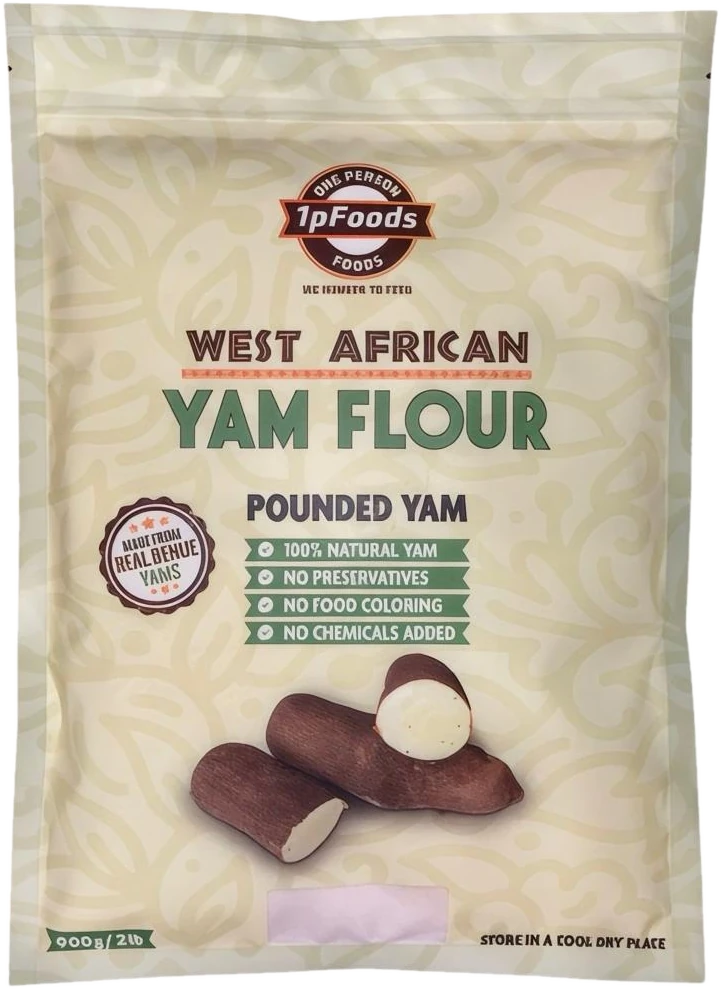
Make the swallow todayPounded yam flour is in stock and ships in 24–48 hours.
Coming soon 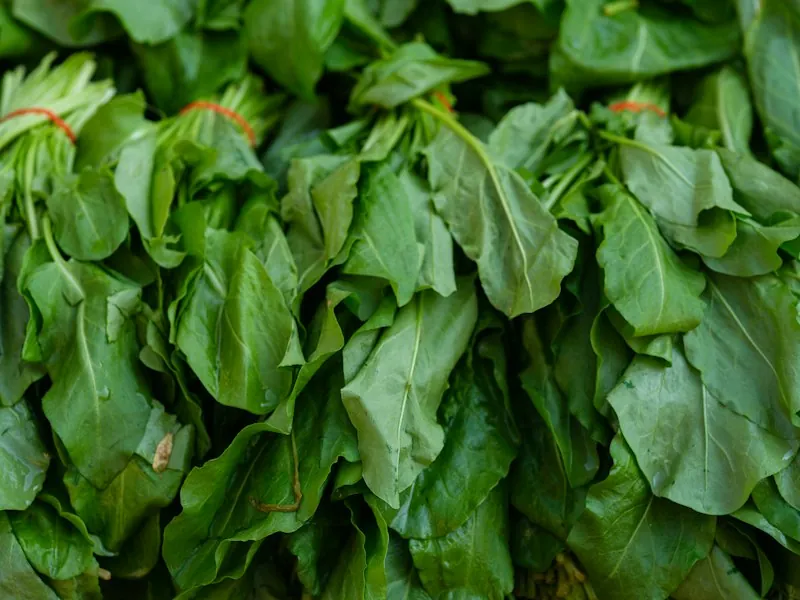
Ugu is a vine shoot, and that explains how it behaves
Ugu is the young leaf and soft shoot of the fluted pumpkin, Telfairia occidentalis, a climbing vine in the gourd family that is native to southern Nigeria and grown across West Africa. It is not the pumpkin you carve in October. The seeds are eaten too, but the soup pot wants the shoots, and growers cut the vine back every few weeks so that it sends up more.
One trait matters to every shopper: ugu does not keep. A reference on the plant says the succulent leaves stay fresh for about a day after harvest, and for around three days if stored somewhere airy, losing firmness all the while. That is one reason ugu also turns up frozen and dried, and why a fresh bunch should be cooked soon after it reaches your kitchen.
Ugu or ordinary pumpkin leaves, and what cooks in the US reach for instead
They are different plants. Garden pumpkin and squash leaves come from the genus Cucurbita, while ugu is a Telfairia. They are relatives, and one Nigerian food blogger says regular pumpkin leaves come close enough to ugwu that the soup loses little. Take that as a cook's verdict, not a botanical match.
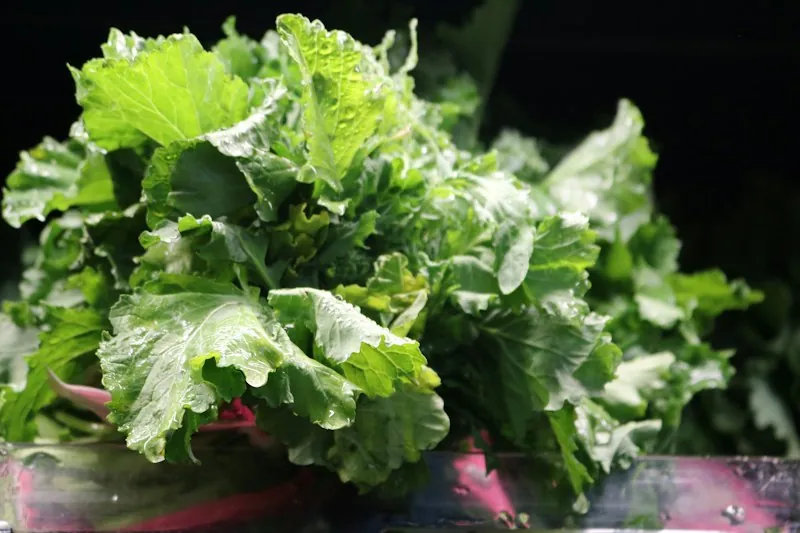
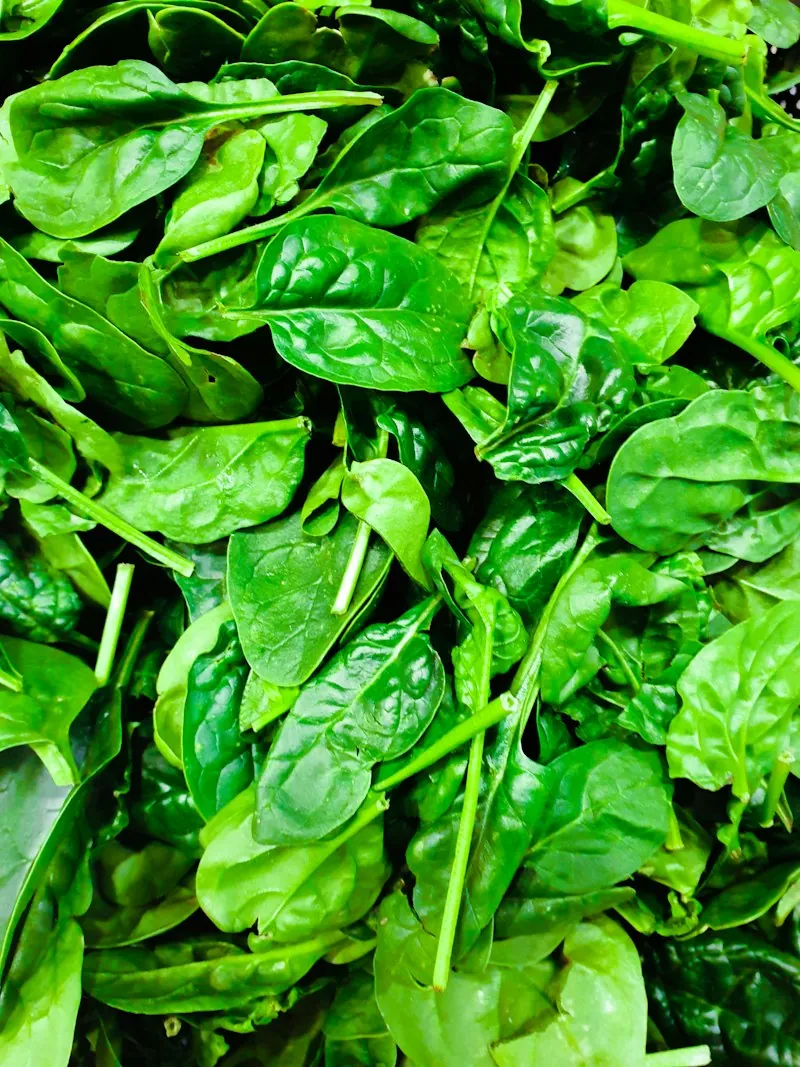
Recipes written for kitchens abroad usually name spinach or kale as the fallback in edikang ikong and in egusi soup with greens. Spinach wilts faster than ugu: one efo elegusi recipe adds ugwu earlier than spinach, and has the cook pour boiling water over the spinach, wait five minutes and drain it so it does not thin the stew. Whatever leaf you use, bite a piece before you take the pot off the heat.
Fresh, frozen or dried: what each form asks of you
Ugu travels in all three forms, and the form decides your prep. This page does not say which one the store will carry. It is a guide to handling each.
- Fresh. Rinse under running water in several rounds, because grit lodges in the folds, and skip the soap: the FDA warns that produce can absorb it. Pick off the tough stems but keep the tender ones, and wash ugu apart from any other leaf in the pot.
- Frozen. The usual advice for frozen greens in edikang ikong is to thaw them and squeeze out the water, since ugu goes in late and extra liquid ends up in the soup. Follow the pack, because some are sold pre-chopped.
- Dried. Soak in warm water, not boiling. One Nigerian dried-leaf seller's guide gives 20 to 40 minutes for most leaves, advises against salt in the soak, and says soaked leaves you do not use will keep up to 48 hours in a closed container in the fridge.
Edikang ikong with the clock running
Edikang ikong, the soup of Efik and Ibibio cooks in southern Nigeria, is where ugu has the most to do. Published recipes agree on the order and differ on the minutes. Meat goes in first, and one recipe simmers the beef alone for about 30 minutes with no added water, because the meat and the leaves will supply the liquid. Palm oil, crayfish, snails or periwinkles, stockfish and smoked fish follow, depending on the cook, with the palm oil warmed on medium heat rather than high. Then comes water leaf, and last of all the ugu.
One recipe gives the water leaf 3 minutes and the ugu 4. Another gives water leaf about 5 minutes alongside the periwinkles, then ugu 3. Both put ugu last, because water leaf gives up its liquid and softens first. The first recipe uses 500 grams of each leaf with 1.5 kilograms of meat, plus stockfish, crayfish and periwinkles, and keeps the liquid to about 200 milliliters before the greens go in. Roughly one part ugu to three parts meat is a fair ratio for a first pot.
If your proteins include stockfish, start it soaking in the refrigerator the night before, since one recipe allows 6 to 12 hours. Every edikang ikong recipe reviewed for this page also uses ground crayfish.
Ugu in egusi and other pots: how the timing shifts
Other soups ask different things of the leaf. The efo elegusi recipe above treats ugwu and bitter leaf as slower than spinach and adds them earlier. Another egusi recipe stirs chopped ugu in once the ground melon seed has thickened the pot, and simmers it gently for 5 to 7 minutes. Across the recipes reviewed, the working range is about 3 to 7 minutes, with thin slices and soft stems at the short end and thick cuts at the long end.
Ugu is a cooked vegetable, not a salad leaf. The plant reference mentioned earlier says the leaves should be well cooked before they are eaten, so think of the soup as the place where it becomes ready, not just where it gets warmed.
Ugu also appears in ofe owerri, and cooks argue about it. One Nigerian food writer reports no agreement on which leaves belong: some cooks use ugwu alone, others add uziza leaf, okazi or oha. Use the combination your family's version calls for.
How much to buy, and what goes on the plate
Leaves collapse in heat, so a bunch that fills the sink gives a modest spoonful per bowl. Scale from a written recipe rather than by eye. The 500 gram example above fills one pot of that recipe.
Plan the swallow too: the store's pounded yam flour is available now, so that part of the meal can be ordered today. The companions that cook beside ugu are gathered in the soup leaves category.
Keeping ugu, and the soup you cook with it
Wrap fresh ugu loosely in a paper towel, put it in a bag and keep it in the refrigerator, using it quickly given how fast it fades. Keep dried ugu in an airtight container somewhere cool and dry, away from steam. Follow the date on any pack.
For the cooked soup, US food safety guidance from the CDC is to refrigerate within two hours, or within one hour if the room is above 90 degrees Fahrenheit, to divide a big pot into shallow containers so it cools quickly, and to reheat leftovers to 165 degrees. One edikang ikong recipe suggests three days in the refrigerator or up to three months frozen.
Ugu at Afri Foods Basket
Ugu is not for sale yet, so there is nothing to order and no date to promise. If you would like to hear when that changes, the Notify me form on this page takes an email address and will send word when ugu is added.
Goes well in
Egusi soupEdikang ikongOfe owerriEfo riroNigerian vegetable soup
Questions
Ugu Leaf FAQ
Still have a question?
Real people, happy to help.
Chat on WhatsApp (734) 219-0258 hello@afrifoodsbasket.com Browse all FAQsUgu is the Igbo name for fluted pumpkin leaf, a leafy green widely used in Nigerian soups. It is added to egusi soup, edikang ikong, ofe owerri and other vegetable dishes, where it cooks quickly and gives the pot a soft, leafy body and a fresh green color.
Wash the leaves well, strip the tough fibers from the stems, then slice the leaves thinly. Stir them into the egusi soup near the end of cooking and let them wilt for a few minutes. Dried leaves should be soaked in warm water first and squeezed out.
Wrap fresh ugu loosely in paper towels, put it in a bag and keep it in the refrigerator, using it soon after buying. Store dried ugu in an airtight container in a cool, dry place away from humidity, and follow the best-before date on the pack.
Ugu leaf is coming to Afri Foods Basket in the next few months. We cannot give a date yet, but you can press Notify me on this page and we will contact you as soon as it can be ordered. Our pounded yam flour is available now.
Nigerian recipes written for cooks abroad often name spinach or kale as stand-ins for ugu in edikang ikong and efo elegusi, and some cooks use ordinary pumpkin leaves. Spinach cooks faster, so add it later than you would ugu. Expect the texture and flavor to differ a little, and taste a leaf for tenderness before you finish the soup.
Not strictly. Ugu is the fluted pumpkin, Telfairia occidentalis. Leaves from garden pumpkins come from the genus Cucurbita. They are relatives in the gourd family, and one Nigerian food blogger says ordinary pumpkin leaves are a fair substitute, but they are different plants, so the leaves may feel and cook a little differently.
Published recipes treat it as a main ingredient, not a garnish. One recipe uses 500 grams of ugu with 500 grams of water leaf and 1.5 kilograms of meat, plus stockfish and other extras. Because leaves wilt to a fraction of their raw volume, a bunch that fills the sink looks modest in the finished pot. Scale from a recipe rather than by eye.
Overcooking is the usual cause. Most recipes give ugu only a few minutes, and a long simmer dulls its color. Tough stems also stay stringy, so pick them off before slicing, and cut the leaves thinly because thick pieces take longer to soften. Add the leaf at the end and take the pot off the heat as soon as the leaf is tender.
More coming soon
Coming soon Coming soon
 Coming soon
 Coming soon