
 Coming soon
Coming soon · Coming in the next few months
Uha (Oha) Leaf
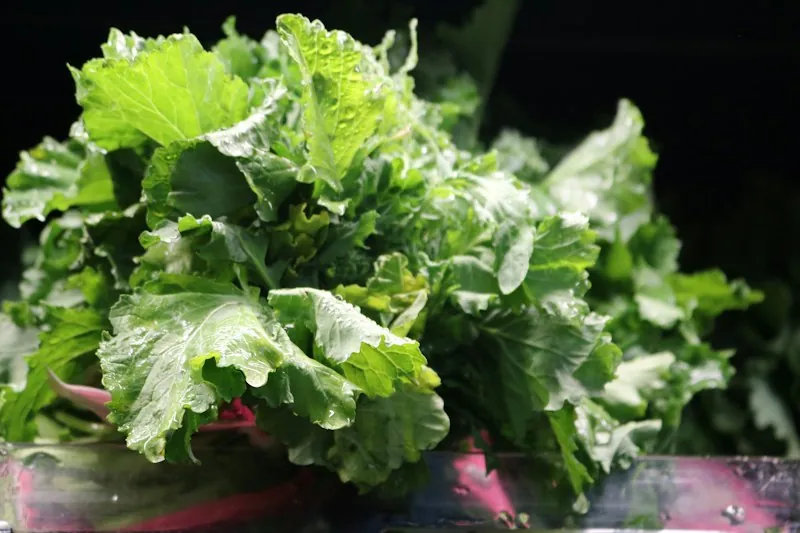
Tender leaves — the star of oha soup.
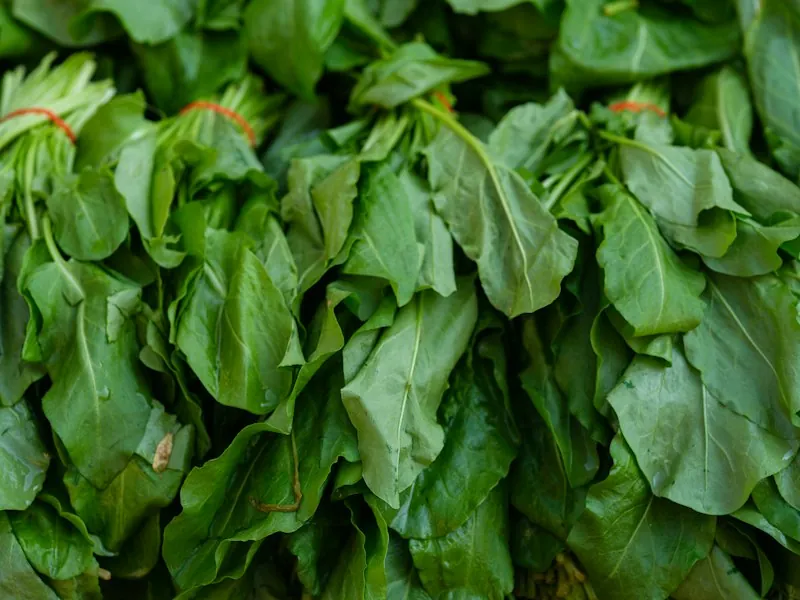
Oha, also spelled uha, is the tender leaf that gives oha soup (ofe oha) its name, a much-loved Igbo dish. The leaves cook briefly and are stirred in near the end, so they stay soft and fragrant.
Coming soonComing in the next few months
We are getting Uha (Oha) Leaf ready for Afri Foods Basket. Leave your email and we'll send one message the day it lands.
No spam. One email per launch. Unsubscribe any time.
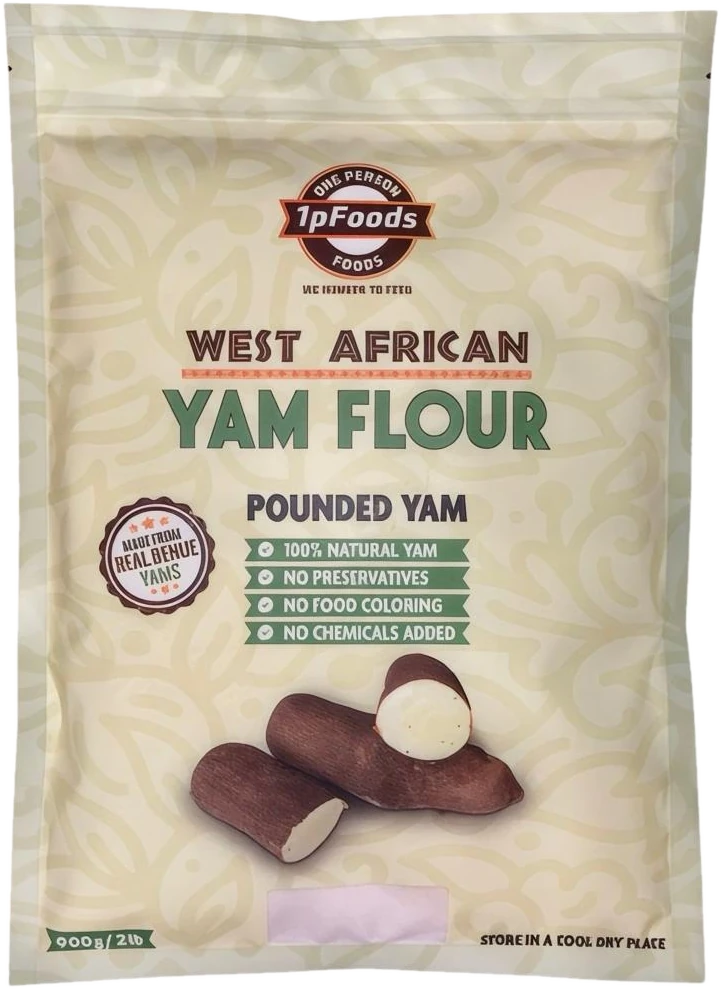
Make the swallow todayPounded yam flour is in stock and ships in 24–48 hours.
Coming soon 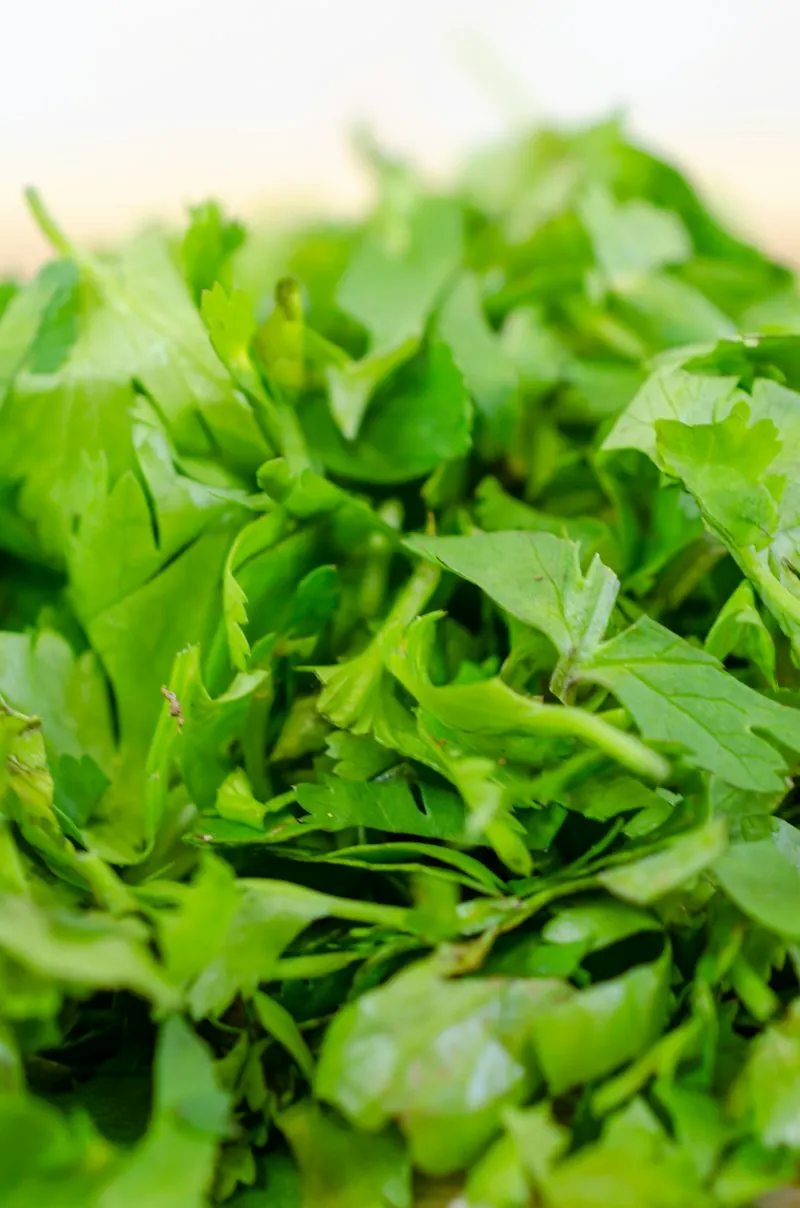
Oha comes from a tree, and that explains a lot about it
Oha leaf is the leaf of Pterocarpus mildbraedii, a West and Central African tree in the legume family. It is not a vine or a garden herb. In southeastern Nigeria the tree is called oha, Igbo cooks also say ora or uha, and in Ivory Coast it is aguaya. A plant reference describes the leaves as a cooked vegetable in Nigeria that appears seasonally, in dry periods when other leafy vegetables are scarce. That seasonality may be why oha is so often sold dried or frozen.
Ofe oha, ofe ora and uha soup are one soup under different spellings. One warning turns up in reference articles: oha should not be confused with uturukpa, the leaf of a related tree, Pterocarpus santalinoides. The two can look alike on a market table, so read the label and ask the seller if you are unsure.
As for taste, one soup writer calls oha tender and slightly bitter, with an aroma of its own. That is a delicate profile, and it is the reason careful recipes keep the surrounding flavors plain: a leaf this soft is easy to bury under heavy seasoning.
Hand-torn leaves: the fussy step cooks defend
Recipes keep telling you to tear oha by hand instead of chopping it. The reasons offered are tradition and color. One recipe says the leaf darkens when a knife cuts it. Another says that if you do use a knife, three or four broad cuts are enough, because cutting oha fine is a mistake. Uziza, by contrast, is sliced thin, so one soup can call for two different cuts.
Pick the leaflets off the stalks, rinse them under running water without soap, and drain them well so they do not thin the pot.
The thickener decides the soup: cocoyam first, achi or ofo as alternatives
Cocoyam (ede) is the thickener most recipes call traditional for ofe oha. It is boiled until soft, peeled, pounded or blended into a smooth paste, and stirred into the pot a little at a time so that it does not lump. It gives the soup a soft, slightly velvety body. Cooks disagree about alternatives. Some sources list achi or ofo as thickeners for oha soup, while one recipe writer calls swapping cocoyam for either of them a mistake. Follow the version you grew up on.
Thickener is also how the neighboring Igbo soups tell themselves apart. Okazi soup is thickened with achi, ukpo or ofo and built on shredded okazi leaf. Ofe nsala, the white soup, has no palm oil and is thickened with yam. Ofe owerri uses cocoyam like ofe oha, but cooks argue over which leaves belong in it.
The order of the pot: uziza first, oha last, almost no cooking
Build the base first with stockfish, meat, cow skin, crayfish and palm oil. After the cocoyam has melted into the broth, one careful recipe adds thinly sliced uziza leaf for a minute or two, and only then folds in the torn oha, which gets 30 seconds to a minute. Other recipes give the oha 5 minutes or more. The same careful recipe keeps the seasoning to salt, seasoning cubes and crayfish, with a little ogiri, and even insists on juice pressed from fresh palm fruit instead of palm oil, a point on which other recipes simply use red palm oil.
The less time the leaf has, the greener and more fragrant it stays, and one recipe writer warns that overcooked oha turns slimy. Fold gently, taste a leaf, and switch off the burner the moment it has softened. Everything else in the pot can take its time. The oha cannot.
Fresh, frozen or dried: handling oha in each form
You may meet oha fresh, frozen or dried, and nothing on this page promises a particular form. Fresh leaves need a gentle rinse and nothing else. Frozen leaves are the form some soup writers accept when fresh is out of reach: thaw them, rinse, and add them at the very end as you would fresh. Dried leaves need a rinse and a soak in warm water, then a squeeze. Seller guides give anything from about five minutes to 40 minutes for the soak, so follow the pack.
On a pack of dried oha, look for mostly whole or cleanly broken leaves rather than powder, a dry, crisp feel, no stalks or dust, no musty smell and no sign of mold. US online sellers list dried oha in small packs of a few ounces, because the leaf weighs very little.
If you cannot get oha: honest stand-ins
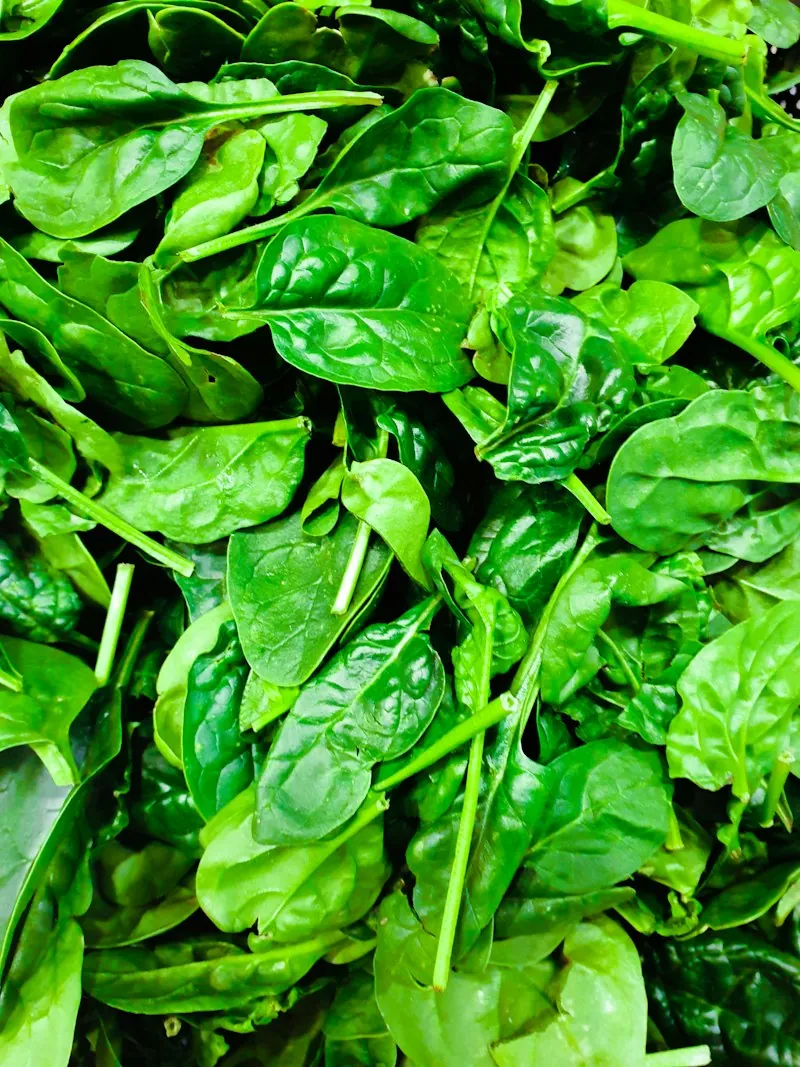
Recipe writers suggest uziza leaves, cocoyam leaves or spinach when oha cannot be found. They will give you a leafy soup in the same style, but oha is described as tender, slightly bitter and unusually aromatic, and none of the stand-ins is said to match that. If you substitute, keep the cocoyam thickener so the soup keeps its body, and add the stand-in leaf at the end.
Serving ofe oha, and keeping what is left
Serve it hot with whichever swallow your household prefers. The store has pounded yam flour in stock, and the leaves that share an Igbo soup pot are listed in the soup leaves category. A stockfish that has soaked overnight in the refrigerator will be ready when the soup is.
Leftover oha soup follows the usual CDC rules: shallow containers, into the refrigerator within two hours, and reheated until steaming hot at 165 degrees Fahrenheit. One oha recipe suggests two to three days in the refrigerator or up to a month in the freezer, with gentle reheating and a splash of water if the soup has thickened.
Oha at Afri Foods Basket
You cannot order oha leaf yet, and no date can be given. If ofe oha is on your list, add your email address to the Notify me form on this page, and a message will reach you when the leaf is added.
Goes well in
Ofe oha (oha soup)Oha soup with stockfish and assorted meatsOha soup thickened with cocoyamOha soup thickened with ofo or achiOha soup with pounded yam
Questions
Uha (Oha) Leaf FAQ
Still have a question?
Real people, happy to help.
Chat on WhatsApp (734) 219-0258 hello@afrifoodsbasket.com Browse all FAQsOha, also written uha and known as ora in some Igbo-speaking areas, is a tender leaf used to make oha soup, or ofe oha. The soup is cooked with palm oil, stockfish, meat and a traditional thickener, and the soft leaves are stirred in near the end.
Many cooks tear the leaves by hand as a matter of tradition and habit, and it gives irregular, soft pieces that suit the soup. It is not a strict rule, and some cooks use a knife. Whichever you choose, add the leaves late and cook them briefly.
Traditionally, oha soup is thickened with cocoyam, or with ground thickeners such as ofo or achi. Each gives the soup a slightly different body and texture. Recipes and family habits differ from one Igbo household to the next, so you may see more than one method, and the choice often comes down to taste and habit.
Oha leaf is coming to Afri Foods Basket in the next few months. There is no date yet, but you can press Notify me on this page and we will let you know as soon as it can be ordered. Our pounded yam flour is available now.
Recipe writers do suggest spinach, cocoyam leaves or uziza leaves when oha is unavailable. You will get a leafy soup in the same style, but not the same soup, since oha is described as tender, slightly bitter and distinctly aromatic. Keep the cocoyam thickener, tear the stand-in leaf by hand if you like, and add it at the very end.
No. Oha is the leaf of Pterocarpus mildbraedii. Uturukpa comes from a related tree, Pterocarpus santalinoides, and reference articles on oha soup warn against treating the two as one leaf, even though they can look alike. If a pack or a market seller is not clear about which it is, ask, and check the label for the name.
Some recipes include sliced uziza alongside the oha, and one adds it first for a minute or two so its peppery note spreads before the delicate oha goes in last. It is a cook's choice, and not every household does it. The two leaves are cut differently: uziza thin, oha torn by hand or cut in a few broad pieces.
One oha recipe suggests two to three days in the refrigerator or up to a month in the freezer. Cool it in shallow containers and refrigerate within two hours, then reheat gently until it reaches 165 degrees Fahrenheit, adding a little water if the thickener has set. The leaves are delicate, so low heat is kinder than a hard boil.
More coming soon
Coming soon Coming soon
 Coming soon
 Coming soon