
 Coming soon
Coming soon · Coming in the next few months
Dried Pepper
Hot dried pepper for soups and stews.
Dried pepper is hot chili pepper that has been dried until hard and brittle, then sold whole, crushed or ground. Nigerian cooks use it to add heat and a concentrated chili aroma to soups, stews and dry spice mixes.
Coming soonComing in the next few months
We are getting Dried Pepper ready for Afri Foods Basket. Leave your email and we'll send one message the day it lands.
No spam. One email per launch. Unsubscribe any time.
Make the swallow todayPounded yam flour is in stock and ships in 24–48 hours.
Coming soon 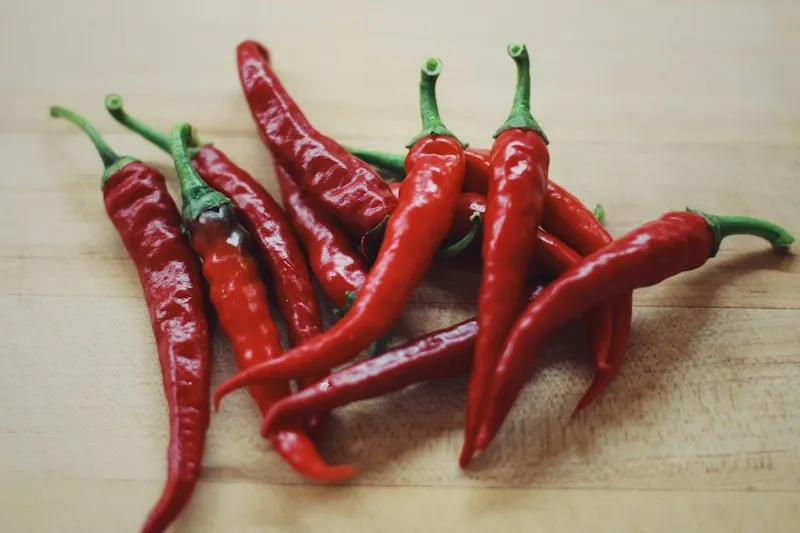
In a Nigerian kitchen, pepper means chili, so which chili is in the bag?
In Nigerian cooking, pepper means hot chili, not the black pepper in a shaker. So dried pepper is not one product but a family of dried chilies, sold whole, crushed or ground. Recipes often call the ground version simply ground pepper, or ata gungun in Yoruba, without naming the chili behind it. That vagueness is the thing to understand before you buy, because the peppers involved differ in heat by a factor of ten or more.
One Nigerian food outlet says the dry pepper that Nigerians grind is typically made from piri piri, or similar small, hot chilies. A Nigerian business-press article says cayenne, known as shombo, is the one ground into yaji, the spice mix served with suya. Both can be true in different kitchens, which is why the label matters.
The peppers behind the names, and how hot each is
Heat is measured in Scoville heat units (SHU). The ranges below come from published sources and overlap or shift between them, and the Chile Pepper Institute at New Mexico State University notes that growing conditions such as drought change a pepper's heat, so batch to batch differences are normal.
| Name used in Nigeria | What it is | Rough heat (SHU) | Note |
|---|---|---|---|
| Tatashe | Large red bell-type pepper | About 0 | Color and sweetness for stew bases, not a heat source |
| Shombo, bawa, ata ijosi | Cayenne, Capsicum annuum | 30,000 to 50,000 | Smoky; ground into yaji |
| Bird's eye, piri piri | Capsicum frutescens | 50,000 to 175,000 | Small and hot; one source ties it to Nigerian dry pepper |
| Ata rodo | Scotch bonnet, Capsicum chinense | 100,000 to 350,000 | Fruity; usually blended fresh into stews |
| Cameroon pepper | A ground hot pepper; some sellers say Nsukka pepper | Not reliably stated | Sources disagree on the plant and the drying |
Cameroon pepper and the label problem
Cameroon pepper deserves its own warning. A Nigerian lifestyle site describes it as a dried, ground, aromatic pepper that is very pungent and used sparingly, and a UK food brand's guide calls it a black or yellow pepper with a woody flavor. Sellers describe smoke-dried chilies ground to a dark powder, hotter than cayenne, but those are sales claims, so this page gives no heat figure for it. An ogbono recipe accepts either ground pepper or Cameroon pepper, one tablespoon of either.
When a pack says only dried pepper, look for the chili's name, whether it is whole, crushed or ground, and any added salt or spices. Nothing here says which pepper the store will stock.
How much to use, and when it goes into the pot
Quantities in published recipes vary with the pot. An egusi pepper soup calls for two to three tablespoons of ground pepper, split in two: half goes in early with the first meats and seasoning, and the rest about 15 minutes later with softer proteins such as stockfish. The ogbono recipe adds its tablespoon after the base is established, with the crayfish and seasoning, and warns that pepper added too early into the hot oil can burn.
Treat those figures as anchors, not rules. If a pepper is new to you, start with about half of what a recipe suggests, then wait five minutes and taste. Heat deepens as a soup simmers, so it is easier to add more than to remove any.
Whole pods, crushed flakes or fine powder
Powder dissolves evenly and goes in alongside the crayfish and seasoning. Whole pods are usually soaked in hot water and blended or pounded to a coarse paste, which gives you something to control: guidance from extension services says the seeds and the white ribs inside hold the most heat. Flakes sit between the two and suit a finishing pinch.
Handling hot pods and powder safely
Extension guidance is consistent. Wear gloves when handling hot peppers, keep your hands away from your face and eyes, and wash your hands thoroughly afterward. Eye protection is sensible if anything may splash. When grinding dried peppers into powder, a mask helps, because the dust is an irritant to breathe. If you buy ground pepper, open the bag away from your face and clean the spoon and the counter before you touch your eyes.
Where dried pepper turns up, and what a US pantry can stand in
The classic uses are soups and stews. A pepper soup spice blend, according to one recipe writer, combines African chili peppers with black pepper, alligator pepper, calabash nutmeg, scent leaves, ginger and garlic, and fish such as catfish round or goat meat carries the broth. Thicker soups such as ogbono take pepper along with ground crayfish. Do not mistake uziza leaf for chili: its bite comes from piperine, not capsaicin.
Ground cayenne from any American supermarket is the same species as Nigerian shombo, so it is a fair stand-in when that is the pepper your recipe means. For fresh scotch bonnet, a spice guide names habanero as the nearest match for heat and fruitiness.
Keeping dried pepper potent
Moisture is the enemy. Extension guidance for dried peppers is to keep them in airtight containers away from damp, and humidity is the main risk to long storage. Keep the jar somewhere cool and dark, away from the stove, use a dry spoon every time, and throw out any pepper that smells musty or shows mold. Whole pods hold their aroma longer than powder, and a pack's date is your best guide to freshness.
Dried pepper at Afri Foods Basket
Dried pepper cannot be ordered yet, and there is no date to give. Sign up with your email through Notify me and you will be told when it can. This item is listed in the soup leaves category, next to the leaves it is cooked with, and the swallow to serve with a hot soup, pounded yam flour, is in stock now.
Goes well in
Ogbono soupEgusi soupOkra soupCatfish or goat meat pepper soupJollof riceTomato and pepper stew
Questions
Dried Pepper FAQ
Still have a question?
Real people, happy to help.
Chat on WhatsApp (734) 219-0258 hello@afrifoodsbasket.com Browse all FAQsIn Nigerian kitchens, pepper usually means hot chili pepper. Dried pepper is that heat in a shelf-friendly form: peppers dried until hard and brittle, then sold whole, crushed or ground. Cooks use it to add heat and a concentrated chili aroma to soups, stews, sauces and dry spice blends.
Start small and build up. Heat differs between pepper types and between batches, and it deepens the longer a soup simmers, so it is easier to add more at the end than to take any out. Stir in a little, cook for a few minutes, taste, then decide.
Keep it in an airtight container somewhere cool, dark and dry, away from steam and the stovetop. Whole pods keep their aroma longer than ground pepper. Use a dry spoon each time so no moisture gets in, and check the pack for the best-before date.
Dried pepper is coming to Afri Foods Basket in the next few months. It is not for sale yet, but you can press Notify me on this page and we will let you know when it is added. Our pounded yam flour is available now for serving with your soup.
Sometimes. Shombo, also called bawa or ata ijosi, is cayenne, roughly 30,000 to 50,000 SHU, and ground US cayenne is a fair stand-in when that is the pepper. But one Nigerian source says dry pepper for grinding often uses piri piri, which is hotter, and scotch bonnet is hotter still. Check the label and start with half the amount.
Yes. Published ranges put scotch bonnet, or ata rodo, at about 100,000 to 350,000 SHU and cayenne at about 30,000 to 50,000, so even a mild scotch bonnet outranks the hottest cayenne. It also tastes different: scotch bonnet is described as fruity and a little sweet, while cayenne is smokier and more direct.
Cameroon pepper is a ground, dried hot pepper used sparingly in Nigerian soups and sauces. Food sites and sellers describe it differently, including as a black or yellow pepper, or as smoke-dried chilies, and some sellers also call it Nsukka pepper. It may not match a pack labeled only dried pepper. Read the label, and treat seller heat claims cautiously.
You can, but the flavor changes. Scotch bonnet tastes fruity, and a dried cayenne-type pepper tastes smokier and plainer, so the soup will not match. The heat also differs, since scotch bonnet is generally much hotter, so add a small amount, taste, and build up. A spice guide names habanero as the closest fresh match to scotch bonnet.
More coming soon
Coming soon Coming soon
 Coming soon
 Coming soon