
 Coming soon
Coming soon · Coming in the next few months
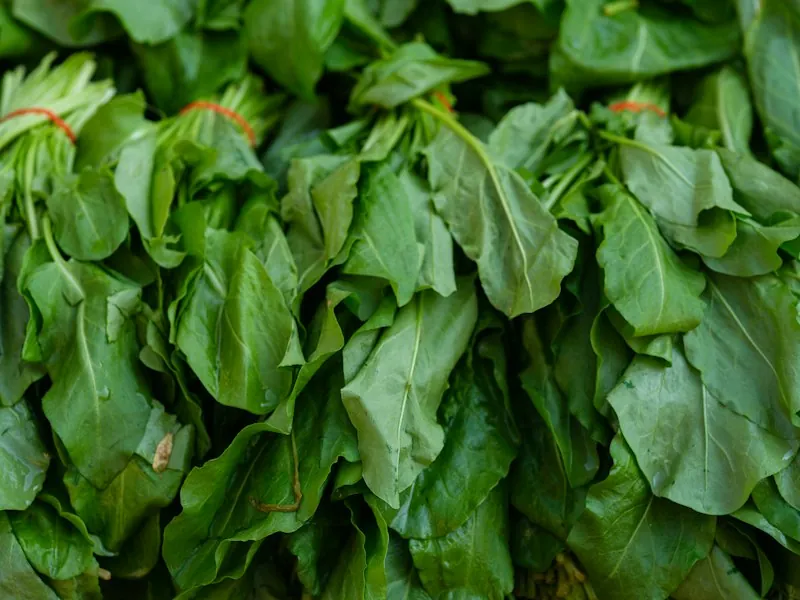
Water Leaf
Soft leaves for edikang ikong and afang.
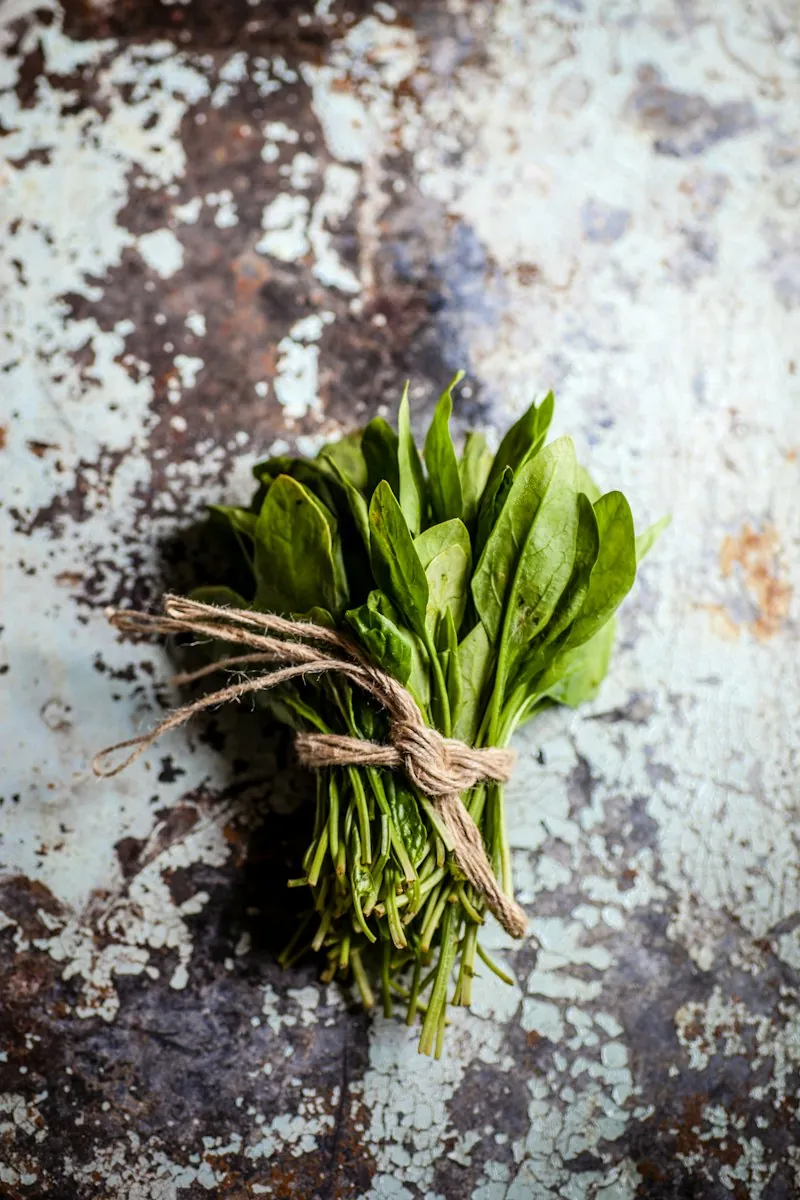
Water leaf is a soft, juicy leafy vegetable with tender stems that cooks down in a few minutes. Nigerian cooks add it to soups such as edikang ikong and afang, usually near the end of cooking.
Coming soonComing in the next few months
We are getting Water Leaf ready for Afri Foods Basket. Leave your email and we'll send one message the day it lands.
No spam. One email per launch. Unsubscribe any time.
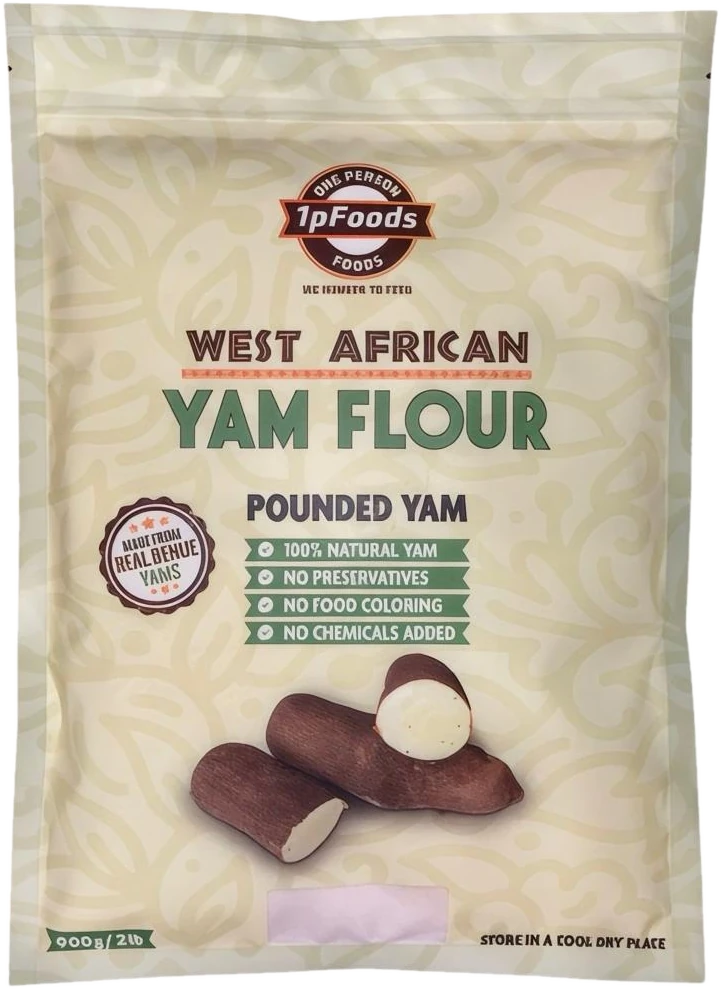
Make the swallow todayPounded yam flour is in stock and ships in 24–48 hours.
Coming soon 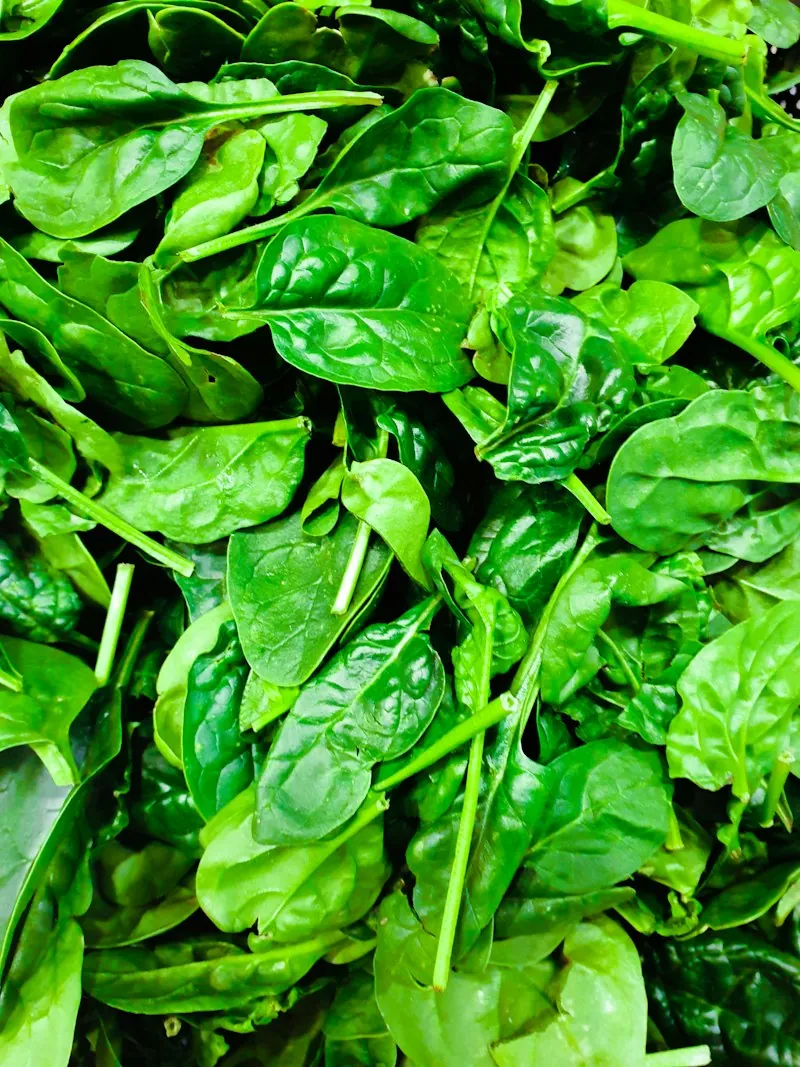
Water leaf is a succulent: mostly stem, mostly water
Water leaf is Talinum triangulare, also written Talinum fruticosum, a fleshy perennial herb with thick succulent stems and spoon-shaped leaves, grown widely across tropical Africa. Yoruba cooks call it efo gbure. Sources do not agree on where it began: some say tropical America, while a plant database thinks African ancestry plausible. Either way it has long been a West African soup leaf.
Its main trait is also its main flaw. A plant reference calls it highly perishable, with cut shoots wilting within hours, although shoots kept in a plastic bag in the refrigerator hold for several days. Buy it with a plan to cook it soon.
Ceylon spinach, Malabar spinach, talinum: sorting out the names
English names for water leaf include Ceylon spinach, Surinam purslane and Philippine spinach. The trouble is that Ceylon spinach and Malabar spinach are also names for a different plant, Basella alba, a vine with thick heart-shaped leaves, a mild flavor and a slippery texture, cooked across Asia. One edikang ikong recipe lists Malabar spinach as a stand-in for water leaf, which makes sense because both are slippery, but they are not the same plant. If the botanical name is on the pack, Talinum is the one to look for.
What a handful of water leaf does to a soup
The leaf gives up its water as it wilts, so cooks treat it as a liquid ingredient as well as a vegetable. One edikang ikong recipe is a no-water soup, relying on the juices from the beef and the liquid from the leaves. Another cooks the pot down to roughly 200 milliliters of liquid ahead of the greens. That is why neither recipe stirs a lot of stock in ahead of the greens.
A botanical database advises light steaming and warns that overcooked water leaf becomes excessively soft and slippery. It also notes a faintly sour taste. Both fit what the recipes show: short cooking, added late, with the seasoning tasted at the end rather than before the leaf goes in.
| Recipe | When water leaf goes in | Time on the heat | Detail |
|---|---|---|---|
| Edikang ikong, first recipe | After the meat, stockfish and crayfish are cooked | 3 minutes, then ugu for 4 | 500 g of each leaf, liquid kept to about 200 ml |
| Edikang ikong, second recipe | With the periwinkles, before the ugu | About 5 minutes, then ugu for 3 | No water added to the pot |
| Afang soup | With the prepared afang, at the end | 3 minutes, uncovered | 2 cups water leaf to 1.5 cups afang |
Fresh, frozen or dried: what to expect from each
Water leaf turns up fresh and frozen in African groceries, and some sellers list it dried. No form is promised here, so read these notes as general guidance.
- Fresh. Inspect the leaves, wash them well to get rid of soil, and chop. Tender stems stay in the pot, and only the tough parts come off.
- Frozen. Keep it frozen until you are ready. Some cooks squeeze thawed leaves, others do not, and the recipe that trims its liquid to 200 milliliters assumes the leaf will release water. A sensible rule of thumb is to squeeze only if the soup is already loose.
- Dried. No instructions specific to dried water leaf turned up, so follow the pack.
US stand-ins, and why a grocer warns against treating it as spinach
Where water leaf cannot be found, one afang recipe uses baby spinach, six cups of it with three cups of okazi. Malabar spinach is the other stand-in that recipe writers name. A Nigerian grocer's guide cautions that water leaf is not simply a spinach substitute, pointing out that its delicate leaves and stems hold much more moisture than firmer greens. Spinach wilts in the same few minutes, so expect a pot that is less juicy and less slippery than one made with water leaf.
Who water leaf cooks beside
It seldom cooks alone. In edikang ikong it shares the pot with ugu leaf, and in afang and okazi soup with ukazi leaf, where cooks reach for it to soften the tough texture of the shredded leaf. The same pairing crosses the border: plant references note that in Cameroon water leaf is cooked with eru, which is the same leaf, and eaten with fufu. Some cooks also add a handful to egusi soup or efo riro with other greens, putting it in last, and one efo elegusi recipe lists water leaf among the greens it allows beside spinach, ugwu and bitter leaf. Proportions vary. The first edikang ikong recipe above uses equal weights of water leaf and ugu, while in afang the soft greens run from about one and a third to twice the volume of the afang. The proteins that keep it company in the recipes above include stockfish, smoked fish, periwinkles, beef and goat.
A swallow rounds out the meal, and pounded yam flour is what the store has in stock, which you can see on the 2 lb bag page.
Keeping water leaf, and the soup
Fresh leaves should be loosely wrapped in a paper towel and bagged in the refrigerator, then cooked soon. Frozen leaves stay in the freezer until you cook. Check the date printed on any pack. For the cooked soup, cool it in shallow containers and get it into the refrigerator within two hours, then reheat leftovers to 165 degrees, as the CDC advises.
Water leaf at Afri Foods Basket
Water leaf is on the coming-soon list and not yet in the shop, and there is no date. A Notify me sign-up with your email address is how you will hear when it arrives. The rest of the range, from other leaves to thickeners, can be reached from the soup leaves category.
Goes well in
Edikang ikongAfang soupEfo riro with mixed greensEgusi soup finished with soft leavesSimple palm oil leaf soup with dried fish
Questions
Water Leaf FAQ
Still have a question?
Real people, happy to help.
Chat on WhatsApp (734) 219-0258 hello@afrifoodsbasket.com Browse all FAQsWater leaf is a soft, juicy leafy vegetable with tender stems, popular in Nigerian and wider West African cooking. It wilts fast in a hot pot and gives soups a gentle, leafy body. It is best known in edikang ikong and afang soup, and it is often cooked alongside other greens such as ugu.
Rinse and chop it, then add it near the end of cooking, once your palm oil, pepper, crayfish and protein have simmered together. Stir for just a few minutes until it wilts. Because it releases water as it cooks, go easy on extra stock, and taste for seasoning at the end.
Keep fresh leaves cold, loosely wrapped, and cook them soon after buying. Frozen leaves stay frozen until you need them. Dried leaves go in an airtight container somewhere cool and dry. Whatever the form, follow the storage instructions and best-before date printed on the pack when it arrives.
Water leaf is coming to Afri Foods Basket in the next few months. It is not for sale yet, but you can press Notify me on this page and we will let you know when it is added. Our pounded yam flour is available now if you want to plan the swallow.
Water leaf is mostly water and releases it as it wilts. Recipes handle this by adding no extra water at all, relying on the meat and the leaf, or by reducing the liquid to about 200 milliliters first. Add the leaf late, cook it only a few minutes, and taste before adjusting salt or seasoning, since extra liquid dilutes it.
It has a slightly slippery, mucilaginous texture, and plant references describe the soups it makes as slightly slimy. That is normal. What you do not want is mush: a botanical database warns that overcooked water leaf turns excessively soft and slippery. Add it late, steam it lightly for a few minutes, and stop once it has wilted.
Ceylon spinach is a common English name for water leaf, Talinum triangulare. But Ceylon spinach and Malabar spinach are also names for Basella alba, a different, slippery-leaved vine used in Asian cooking. Some recipes use Malabar spinach in place of water leaf, so it is a reasonable stand-in, but it is not the same plant. Look for the botanical name on the pack.
Before, in the edikang ikong recipes reviewed here, which put water leaf in first for 3 to 5 minutes and the ugu after it for 3 or 4 more. A reason given is that water leaf releases its liquid and softens first, while ugu needs only a short finish. Afang soup, by contrast, adds water leaf with the afang at the end.
More coming soon
Coming soon Coming soon
 Coming soon
 Coming soon