 Coming soon
Coming soon · Coming in the next few months
Ogbono
Ground bush-mango seed for proper draw soup.
Ogbono is the seed of the African bush mango, sold whole or ground, and it is the base of ogbono or draw soup. When it cooks in hot palm oil and stock, it thickens the soup and gives it a slippery, stretchy texture.
Coming soonComing in the next few months
We are getting Ogbono ready for Afri Foods Basket. Leave your email and we'll send one message the day it lands.
No spam. One email per launch. Unsubscribe any time.
Make the swallow todayPounded yam flour is in stock and ships in 24–48 hours.
Coming soon 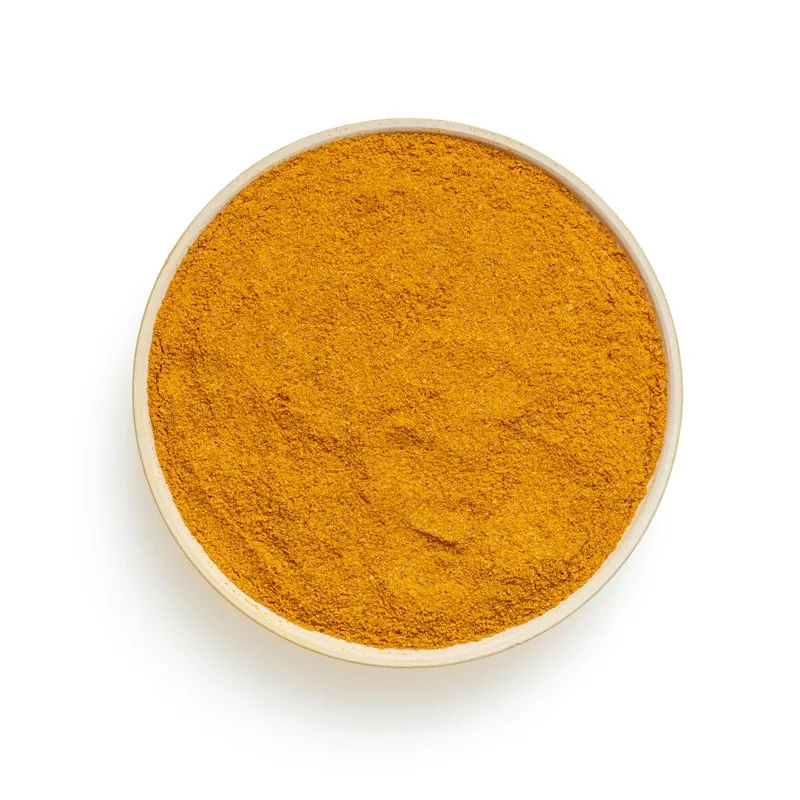
Which seed is ogbono, and why do some cooks say ugiri?
Ogbono is the flat kernel inside the hard stone of a wild bush mango, a forest tree of the genus Irvingia. It has nothing to do with the sweet mango in a US supermarket. Two kinds are involved, which sources call species or varieties: Irvingia gabonensis, whose fruit is sweet and edible, and Irvingia wombolu, whose fruit is bitter and grown mostly for its seed. Some Nigerian sources reserve the word ogbono for the bitter type and ugiri for the sweet one, but in shops ogbono is simply the name of the product. Yoruba cooks say apon, and elsewhere in West and Central Africa the same kernels go by dika.
Sellers sometimes say one type draws harder than the other, and one trader blog names the bitter type as the stronger. That has not been independently confirmed, so treat it as a trader's rule of thumb. Traders also blend the two, so a pack may not tell you exactly what you are holding.
What "draw" actually means in the pot
Crack the stone, dry the kernel, grind it, and you have a powder that swells in hot liquid into mucilage, the same slippery gel you see when okra is cut. Lift a spoon and the soup stretches into strings. That stretch is the draw, and it is where the English name draw soup comes from. Cooks treat a good string as a sign of good seed, and stale or poor seed gives a limp soup.
This makes ogbono a different kind of thickener from the others in our soup thickeners range. Achi, ofo and ukpo are generally described as giving a smoother body without the long stretch, and cocoyam gives a starchy, creamy one. Ogbono is the one you reach for when you want the soup to pull. The kernels are also very oily, which matters when we get to storage.
Oil first or water first? What the recipes agree on
Recipe writers fall into camps, and the differences are smaller than the arguments suggest.
| Method | How it goes | Watch for |
|---|---|---|
| Oil first | Warm palm oil on low heat, stir the ground ogbono in until it is a thick paste with no oil floating, then add stock a little at a time. | Scorching if the heat creeps up. |
| Water first | Cook the meat, whisk the ogbono with a ladle of warm broth until smooth, stir that into the pot, and add palm oil late or not at all. | Lumps if you skip the whisk. |
| Toasted | Dry-toast the ogbono briefly, then add it gradually to warm oil or broth. | Frying or browning it, which two cooks say ruined their draw. |
What every version shares is the real rule: separate the ogbono particles, with oil or a smooth slurry, before they meet a lot of liquid. Then add stock gradually, keep the heat low to medium and keep stirring. If you toast, keep it gentle and brief. That is a common thread across the recipes, not a fixed rule, and your family's method may be different and just as good.
Published recipes use anywhere from a third of a cup to a cup and a half of ground ogbono per pot. For four to six people and roughly two to four cups of stock, half a cup to a cup is a sensible first try. More ogbono and less liquid means a stronger pull. Once it is in, simmer ten to twenty minutes, and add leaves only in the last few.
Burnt, lumpy, watery or soapy: fixing the usual mistakes
- Burnt: ogbono sticks and scorches easily. Use low to medium heat and scrape the bottom as you stir.
- Lumpy: break clumps against the side of the pot while it is still paste, or use a whisk with the broth method.
- Watery: too much stock too early. Several writers also leave the pot uncovered, and one says a lid made the soup watery.
- Weak draw: stale ground seed, too little ogbono, or heat that is too high.
- Soapy taste: one cook says ogbono kept too long tastes like soap once cooked.
- Too stiff the next day: the soup firms up as it cools. Loosen it with hot stock or water while reheating gently.
Refrigerate leftovers within two hours (within one hour if the room is above 90 degrees F) and reheat to 165 degrees F. Recipe writers keep ogbono soup three to five days in the fridge; food-safety agencies generally say three to four for cooked leftovers, so use the shorter end.
How ogbono behaves with meat, fish, leaves and okra
A classic pot combines assorted meat, tripe, stockfish, smoked fish, palm oil and ground crayfish. Cook the meats first so the ogbono goes into a flavorful stock: it brings body and a nutty note, but the savory depth comes from the stock, fish and crayfish. Leaves such as ugu, spinach or bitterleaf go in at the end for two to five minutes.
Okra is the usual partner. Chopped or blended okra stirred in for the last few minutes makes the soup even more slippery. A cook who wants draw without ogbono can use okra alone, though the flavor changes a lot.
What can stand in for ogbono, and what cannot
Okra is the only real stand-in for the texture. Achi, ofo, ukpo and cocoyam all thicken, but they belong to other soups and will not stretch. Cornstarch or flour thickens, but it will not stretch either. If a recipe says ogbono, plan on ogbono.
Buying whole or ground, and keeping it fresh
Whole seeds keep longer and can be ground in small batches in a dry blender, a spice grinder or a mortar. One cook finds fresh-ground gives better draw than pre-ground. Ready-ground powder is faster; read the label to see whether it is plain ogbono or a mix. Choose powder that is dry and loose, smells nutty rather than sharp or sour, and shows no clumps or dampness.
Because the kernels are so oily, ground ogbono can turn rancid. In one food-science study, ground ogbono kept vacuum-sealed at freezer temperature stayed acceptable for about three months and slipped by the fourth. That is a lab test, not a promise, but it argues for buying modest amounts, keeping the pack airtight and cool, and throwing out powder that smells sharp.
Serving ogbono soup with a swallow
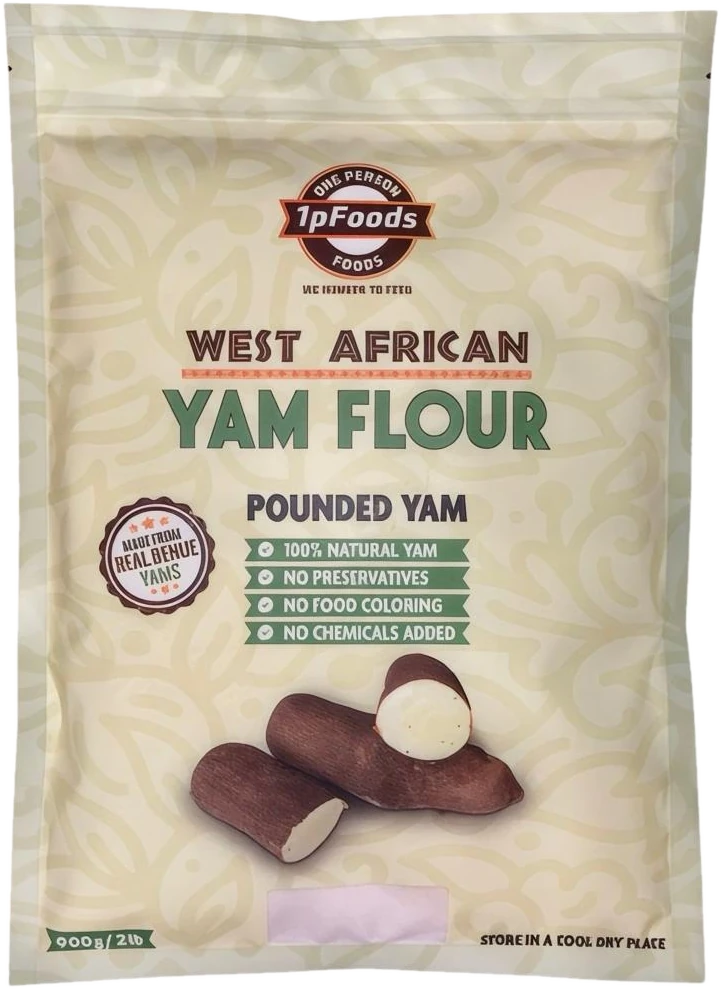
Eba, amala, fufu and semovita all appear in recipes, and a smooth ball of pounded yam is the classic partner for a soup that pulls. Pounded yam flour, such as our 2 lb bag of pounded yam flour, is in stock now.
Ogbono at Afri Foods Basket
Ogbono is not for sale yet. If you want to hear when it is added, use the Notify me form on this page and enter your email. Every sign-up helps us see which products to stock first.
Goes well in
Ogbono soup with assorted meat and smoked fishOgbono and okra soupOgbono with ugu (fluted pumpkin) leafDraw soup with eba or amalaOgbono soup with pounded yam
Questions
Ogbono FAQ
Still have a question?
Real people, happy to help.
Chat on WhatsApp (734) 219-0258 hello@afrifoodsbasket.com Browse all FAQsOgbono is the seed of the African bush mango, a wild tree fruit that is different from the sweet mango you eat. The seeds are dried and either ground or sold whole. In the pot, ogbono thickens soup and gives it the slippery, stretchy texture that makes ogbono soup known as draw soup.
Grind whole seeds if needed, then mix the powder into warm palm oil until smooth. Add stock a little at a time, stirring over gentle heat until the soup thickens. Then add pepper, crayfish, fish, meat and leaves. Keep the heat low and keep stirring so the base does not stick or burn.
Keep it in an airtight container in a cool, dry place, away from light and heat. Because the seeds are oily, some cooks refrigerate or freeze ground ogbono in warm weather. Use a dry spoon each time and follow the best-before date printed on the pack.
Ogbono is coming to Afri Foods Basket in the next few months. It is not for sale yet, but you can press Notify me on this page and we will let you know when it is added. Our pounded yam flour is available now, ready to serve with it.
No. Ogbono is the dried kernel of the wild bush mango tree, and its powder swells in hot liquid into a slippery gel that stretches into strings. Egusi is ground melon seed, which gives a soup a rich, nutty body instead. They make different soups, and neither is a stand-in for the other when a recipe names one of them.
The usual causes are stale or poor-quality ground ogbono, too little of it for the amount of liquid, and heat that is too high. Adding a lot of stock early also leaves the soup thin. Next time use fresher seed, stir the ogbono into warm oil or a smooth slurry first, add stock a little at a time and keep the flame low to medium.
Okra gives a similar slippery texture, and cooks without ogbono do make draw soup with okra alone, but the flavor is quite different. Many cooks use both: ogbono for body and pull, then chopped or blended okra stirred in for the last few minutes. Achi, ofo, ukpo and cocoyam thicken a soup but will not make it stretch.
Whole seeds keep longer, and you can grind small amounts in a dry blender, spice grinder or mortar just before cooking. One cook finds fresh-ground gives better draw. Ground powder is quicker, but the seed is very oily and the powder ages faster, so buy only what you will use in a few months, keep it airtight and cool, and smell it before cooking.