
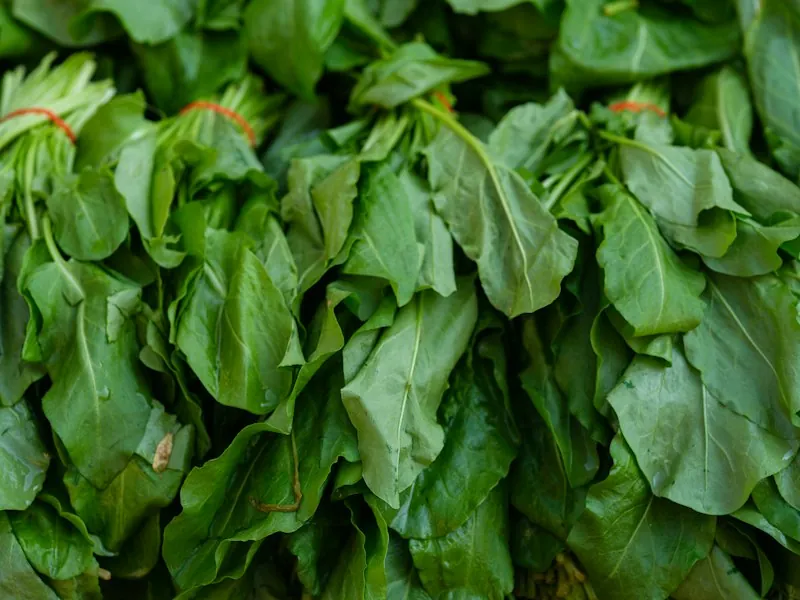
 Coming soon
Coming soon · Coming in the next few months
Ukazi (Okazi) Leaf
Sliced okazi for okazi and afang soup.
Ukazi, also spelled okazi, is a firm, finely shredded leaf used in okazi soup in Igbo cooking and known as afang in Efik and Ibibio kitchens. It needs longer cooking than soft greens and gives soups a distinctive texture.
Coming soonComing in the next few months
We are getting Ukazi (Okazi) Leaf ready for Afri Foods Basket. Leave your email and we'll send one message the day it lands.
No spam. One email per launch. Unsubscribe any time.
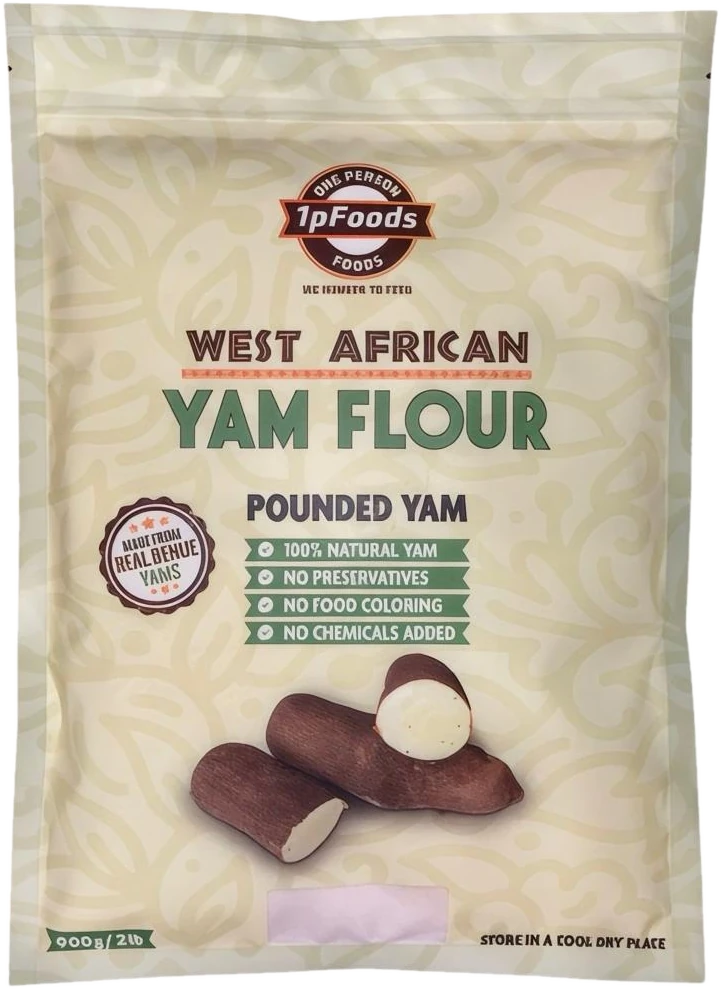
Make the swallow todayPounded yam flour is in stock and ships in 24–48 hours.
Coming soon 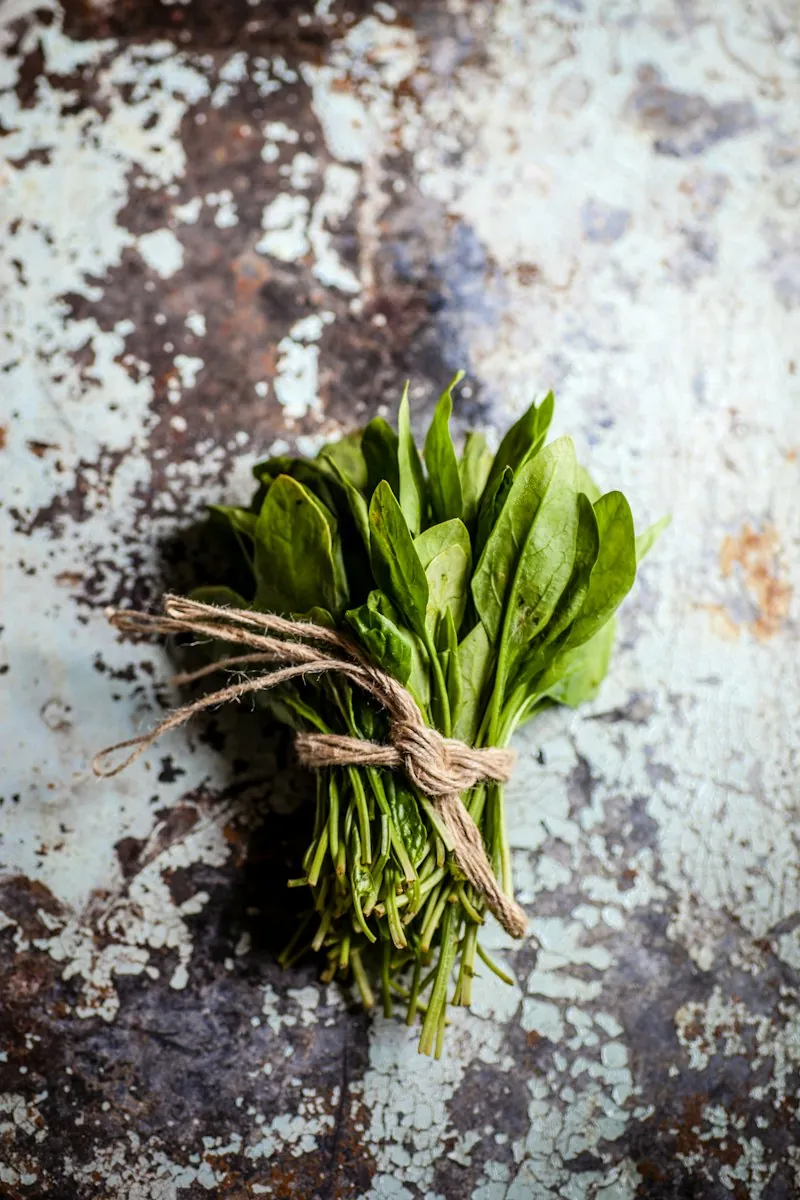
Ukazi, okazi, afang, eru, fumbwa: one leaf under many names
Ukazi is the leaf of Gnetum africanum, a climbing vine of tropical African forests. Igbo cooks call it okazi or ukazi, Efik and Ibibio cooks call it afang, and in Cameroon it is eru. Plant references add koko in French-speaking Africa, and fumbwa is the name of a Congolese dish built on it. Two closely related species, G. africanum and G. buchholzianum, are reported to be traded together as eru, so a pack may carry any of these words on its label.
Most of the supply is still gathered from the wild, though farm-grown vines are increasing, and a forestry paper notes that farmed leaf tastes the same as wild leaf. It reaches markets in bundles of leafy stems, and most of the traders are women. Whole leafy stems are reported to stay fresh for at least a week, which is far longer than ugu manages and part of why the leaf travels well.
Why ukazi arrives shredded
Fresh ukazi is tough and leathery, so it is not cooked in whole leaves. Preparers stack the leaves and slice them into strips about 2 millimeters wide with a sharp knife, slow work that explains why shredded leaf is the usual form. The shreds can be cooked at once or dried, and well-dried chopped leaf is reported to keep for about a year in a sealed bag at room temperature, to be soaked before cooking.
Two more traits shape how you cook it. The taste is described as slightly bitter, and the leaf is firm and substantial enough that in Central African groundnut stews it takes the place of meat. Treat it as the body of the soup rather than as a garnish.
Soak, pound, blend or slice: recipes disagree on dried ukazi
Take three sources. One recipe soaks the dried leaf in warm water for about 10 minutes, then pulses it in a blender until it breaks down but stops short of a puree. Another says dried afang needs no soaking and has you pound or blend it dry, or else slice it very fine. A plant reference says stored leaf is soaked in hot water before cooking. Read the pack first. Whichever route you take, the goal is small, tender pieces, and a blender run until the leaf turns to mush is the thing to avoid.
Why water leaf cooks beside it
Sources agree that ukazi is often cooked with water leaf to soften its tough texture, and the pairing is standard in afang and okazi soup. In two of the recipes reviewed, the proportions were 1.5 cups of prepared afang to 2 cups of chopped water leaf, and 3 cups of okazi to 6 cups of baby spinach where water leaf could not be found. That puts the soft greens at somewhere between one and a third and twice the volume of the okazi. Notice that the spinach replaces the water leaf there, not the okazi. No recipe reviewed here replaces the ukazi itself.
Afang, okazi soup and eru: one leaf, three kitchens
Afang soup, from Efik and Ibibio kitchens, pairs the leaf with beef or goat, dried and smoked fish, crayfish and palm oil, and one recipe adds a medium panla. The greens go in last. One recipe gives them three minutes uncovered before taking the pot off the heat, and another simmers about ten minutes once the okazi, palm oil and stock are together. Both treat the leaf as done once it is tender. Even the order is debated: one recipe adds the spinach, okazi and crayfish together, then admits that some cooks put the okazi in last to keep its cooking short.
The same recipe names cow leg, goat meat, smoked catfish and ground crayfish as the standard proteins, with mackerel, cow skin, tripe and smoked turkey as other options, and it budgets about an hour and twenty minutes for the whole pot. Nearly all of that time belongs to the meat, not the leaf.
Okazi soup, the Igbo version, carries a thickener of achi, ukpo or ofo, and reference articles set it against ofe owerri, which is thickened with cocoyam instead. Further south and east the same leaf is cooked as eru in Cameroon and as fumbwa in Congo, usually in palm oil and groundnut-based stews. One fumbwa recipe combines it with palm oil, peanut butter, tomatoes and smoked fish and serves it with cassava or yams.
Reading a pack: what the label can tell you
Look for the name, whether okazi, ukazi, afang, eru or fumbwa, and for the species if it is given. Check whether the leaf is whole, sliced, pounded or ground, because that decides whether you need to blend it yourself. Good shreds are fairly even and thin, near the 2 millimeter width above, a consistent dark green, dry and crisp with no dampness, dust or mold, and they smell clean and green rather than sour or musty. No pack type is promised here, so treat this as a general shopping guide.
Keeping it, and the soup you make from it
Fresh ukazi should be wrapped loosely, bagged and refrigerated, then used quickly. Store dried or shredded leaf in a sealed jar or tin in a dry cupboard, well away from the steam of the stove. Once the soup is cooked, the CDC rule of thumb is two hours at most before it goes in the refrigerator, one hour on a very hot day above 90 degrees Fahrenheit, and leftovers should be reheated to 165 degrees.
For the swallow, pounded yam flour is the product available in the store today. The other leaves that go into the same pots are in the soup leaves category.
Ukazi at Afri Foods Basket
Ukazi is a coming-soon item, so this page is for reading and for registering interest. Use the Notify me box to leave your email, and word will reach you when it can be ordered. No date is available yet.
Goes well in
Okazi soupAfang soupAfang soup with water leafOkazi with uguOkazi soup with pounded yam
Questions
Ukazi (Okazi) Leaf FAQ
Still have a question?
Real people, happy to help.
Chat on WhatsApp (734) 219-0258 hello@afrifoodsbasket.com Browse all FAQsIt is a firm, leathery leaf used in Nigerian soups. Igbo cooks call it ukazi or okazi and use it in okazi soup; Efik and Ibibio cooks call it afang and use it in afang soup. It is cut very finely and cooked longer than soft greens.
The leaf is tougher and thicker than soft greens such as water leaf. Cutting it into fine shreds makes it pleasant to eat once cooked, and helps it absorb the palm oil and seasoning. Thick pieces stay chewy, so slice as finely as you can.
Okazi and afang are the names used by different communities, Igbo and Efik or Ibibio, for the leaf used in these traditional soups. Cooks use the leaf in both okazi soup and afang soup, with different supporting ingredients and methods in each tradition.
Ukazi leaf is coming to Afri Foods Basket in the next few months. We do not have a date to share yet. Press Notify me on this page and we will let you know as soon as it can be ordered. Our pounded yam flour is available now.
Sources differ. One recipe soaks dried leaf in warm water for about 10 minutes and then blends it, another skips soaking and pounds or blends the dried leaf, and a plant reference says stored leaf is soaked in hot water. Follow the pack, and either way aim for small, tender pieces rather than a puree.
Sources describe water leaf as the softer partner that tempers the tough, leathery texture of ukazi, and the pairing is standard in afang and okazi soup. Water leaf also gives up liquid as it wilts. Recipes use roughly one to two parts soft greens to one part ukazi by volume, and bring in baby spinach when water leaf is not available.
Both are Igbo soups of shredded leaves, and cooks do not agree on every detail. The usual dividing line given in reference articles is the thickener: okazi soup uses achi, ukpo or ofo, while ofe owerri is thickened with cocoyam. Which leaves go into ofe owerri is itself argued over, so follow your own family's version.
They all point to the leaf of Gnetum africanum. Okazi is the Igbo name, afang the Efik and Ibibio name, eru the Cameroonian name, and fumbwa a Congolese dish built on it. Two related species are reported to be traded together as eru, so check the label if the species matters to you.
More coming soon
Coming soon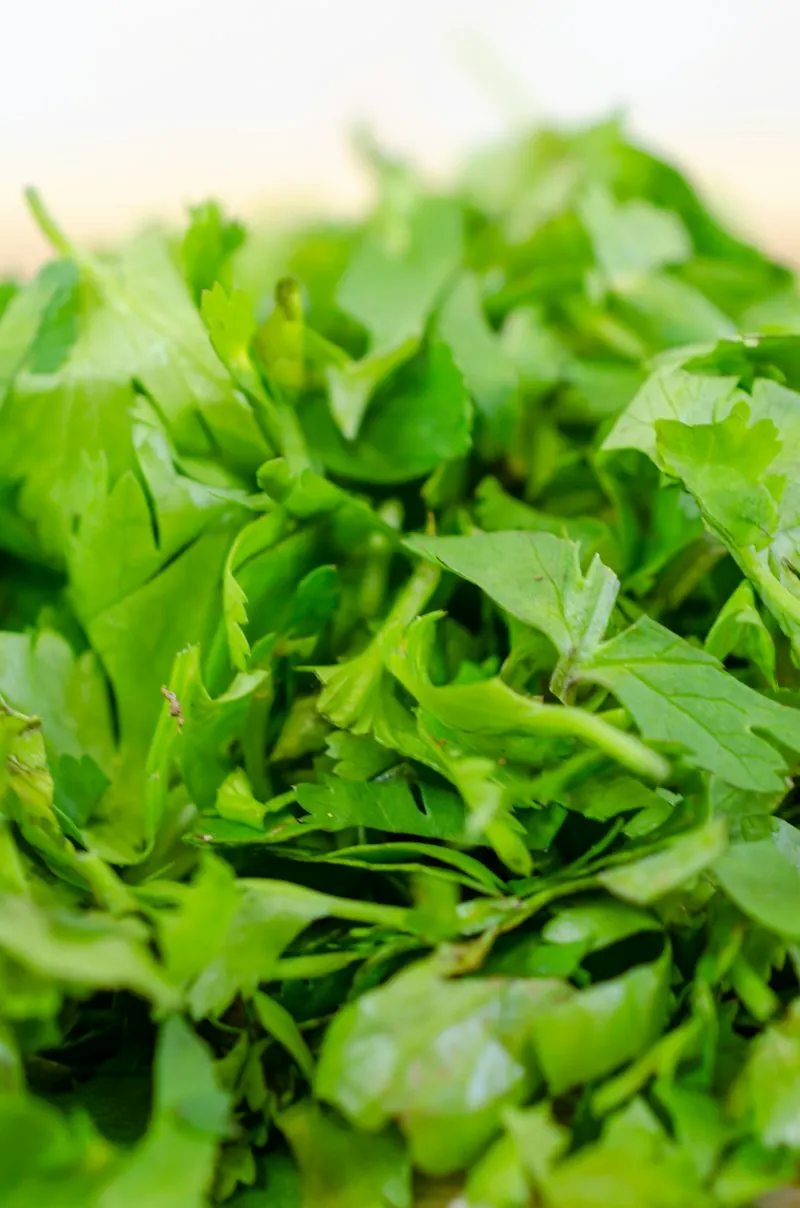 Coming soon
 Coming soon
 Coming soon