 Coming soon
Coming soon · Coming in the next few months
Ukpo
Gives native soups a thick, velvety body.
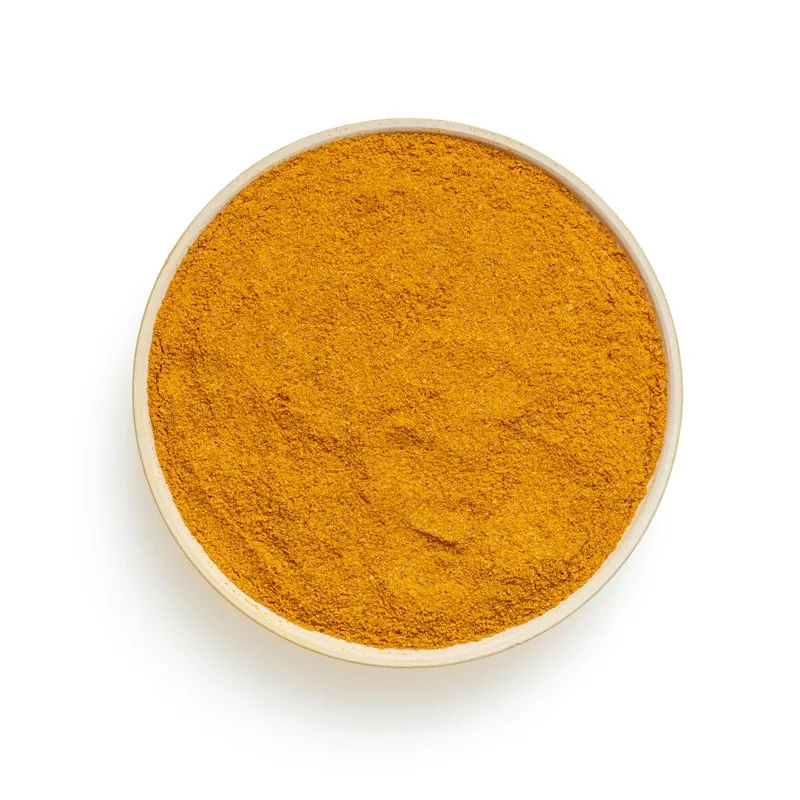
Ukpo is a traditional Nigerian soup thickener that gives soups a thick, velvety body. Names, forms and uses vary by region, so this page focuses on its role in the pot.
Coming soonComing in the next few months
We are getting Ukpo ready for Afri Foods Basket. Leave your email and we'll send one message the day it lands.
No spam. One email per launch. Unsubscribe any time.
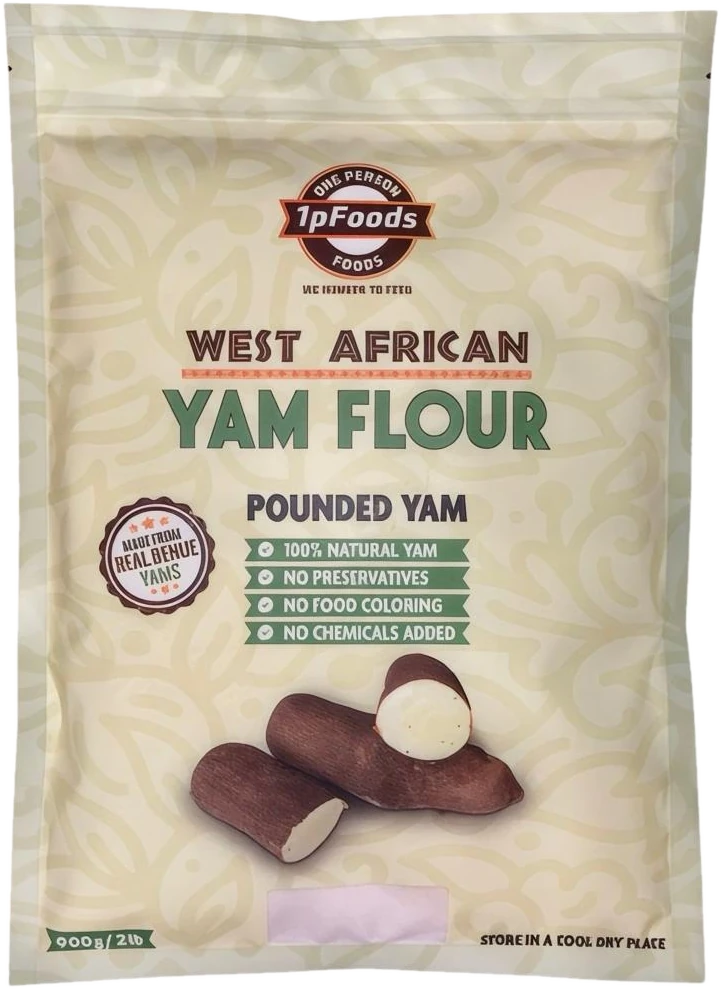
Make the swallow todayPounded yam flour is in stock and ships in 24–48 hours.
Coming soon 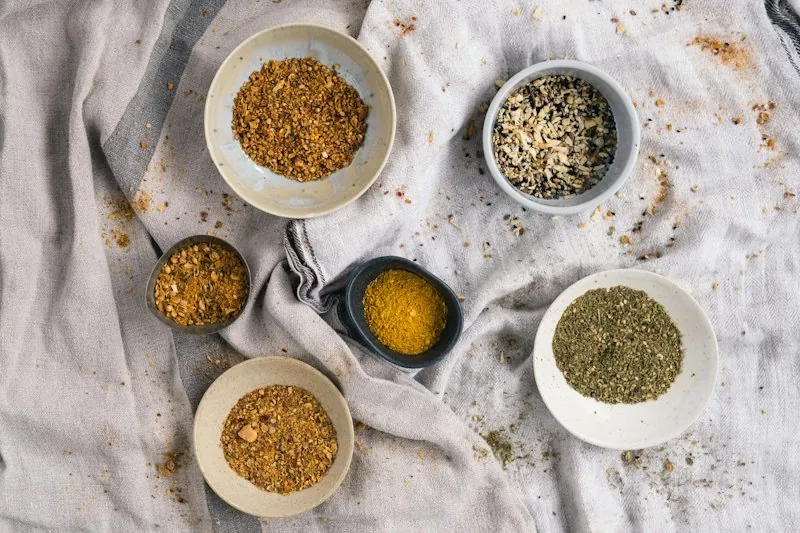
What ukpo is, and why sources name more than one plant
Ukpo is the Igbo name for the large, round seeds of a Mucuna bean vine. English-language sources call them horse eye beans or hamburger beans, and recipe writers spell the word ukpo or ukpor. They are big for a bean, about an inch across in one measurement study. Here the botany gets untidy: sources variously name the plant as Mucuna sloanei, Mucuna flagellipes or Mucuna pruriens, and which one a given pack contains is unclear. The pack will not necessarily settle it either.
One thing worth saying clearly: ukpo is not ukpaka. Ukpaka is the Igbo name for the African oil bean, the seed that is fermented into the condiment ugba, an entirely different ingredient with an entirely different job.
Why this seed needs real processing before it reaches a soup
Of the four ingredients in our soup thickeners range, ukpo is the one where preparation matters most for safety. Raw Mucuna seeds contain L-DOPA along with other compounds, including protease inhibitors and lectins, that can cause trouble if the seed is eaten without proper treatment. Traditional preparation answers this: the hard shell is cracked, the seeds are boiled for a long time, the hulls come off, and the kernels are ground. Reports of boiling times run from about 40 minutes up to 90, and researchers note that repeated soaking and boiling removes more than a single short boil.
So this is not a seed to experiment with. Do not cook raw or lightly boiled seeds at home on a hunch. Buy ground ukpo, read the directions on the pack, and ask the seller how it was processed. It is not documented whether commercial powder is boiled before grinding, so do not assume that it is.
What ukpo does in the pot
Ukpo flour thickens and gels, and it also brings a flavor of its own. A seller describes it as providing taste as well as body, and a Nigerian food writer says each of the traditional thickeners has a character of its own. A food-science paper on boiled ukpo flour found that boiling the seed for around 40 minutes improved the properties that matter for thickening soup, which fits the long boil in the traditional method.
One research summary on Mucuna flagellipes adds a detail worth knowing: the hulled, ground seed is mixed with red palm oil before it goes into the soup. If you buy ukpo, a paste with a little palm oil is a sensible way to start, and it echoes the oil-first habit many cooks use with other powders.
Where ukpo shows up in Igbo soups
- Okazi soup: the best documented home for ukpo, which sits alongside achi and ofo as one of the three usual thickeners. See ukazi leaf for the greens.
- Oha soup: recipe writers list ukpo (as ukpor) among the alternatives to cocoyam. The oha leaf page covers the leaves.
- Egusi soup: one source includes it among the soups where ukpo is used.
Okazi, oha and egusi are the dishes with documented support. Other uses are less well documented, so this page does not list them.
Cooking with ukpo, when the sources are thin on numbers
Unlike ogbono or achi, ukpo has few published quantities. The available sources give no reliable amount per pot, so follow the pack. If it gives no guidance, treat ukpo like other powder thickeners: build the soup base first, with stock, palm oil, pepper, crayfish and stockfish, then stir in a small spoonful of ukpo paste and give it time before deciding on more.
The shape of a typical okazi pot helps you see where the thickener sits. Stockfish and meat cook until tender, palm oil and pepper go in, and then the thickener, which recipes give ten to fifteen minutes to take hold. Crayfish and periwinkles join before or after, depending on the cook. Thinly sliced okazi leaves go in last. They are tough, so one recipe covers the pot for five minutes, and some cooks grind the leaves after slicing, which adds a little body of its own.
Cook the soup through. A home cook writing about ukpo says the soup spoils quickly if it is undercooked or left to sit without being reheated. Refrigerate leftovers within two hours, loosen with hot stock, and reheat to 165 degrees F.
Swapping ukpo for achi or ofo
Recipe writers do swap them, with the caveat that flavors differ, so an okazi soup made with achi or ofo will taste a little different from one made with ukpo. If a family recipe names ukpo, the cook is probably after that specific flavor as well as the body.
Buying ground ukpo, and keeping it dry
Whole seeds have a shell hard enough that traditional cooks crack them with a blow, so for most kitchens ground powder is the realistic choice. Check that the label says what is inside, and look for a dry, loose powder with a clean smell and no damp patches or mold. Mucuna beans are legumes as well, so if legumes are an issue at your table, check the label.
At home, store the powder sealed and away from heat and steam, and use a dry spoon.
Ukpo soups with pounded yam, and getting notified
Okazi and oha soups are served with a firm swallow, and pounded yam flour (iyan) can be ordered right now. Ukpo itself is not for sale yet. Wherever you shop for it, ask how it was processed. If you would like an email when it is added here, use the Notify me form.
Goes well in
Native soup with palm oil, dried fish and meatThick leaf soups such as oha and onugbu, where each family chooses its own thickenerStockfish and dried fish soupsAny thick soup served with pounded yam, eba or fufu
Questions
Ukpo FAQ
Still have a question?
Real people, happy to help.
Chat on WhatsApp (734) 219-0258 hello@afrifoodsbasket.com Browse all FAQsUkpo is a traditional Nigerian soup thickener that gives soups a thick, velvety body. Its exact name, form and preparation can vary by region and by seller, so we describe it by its role in cooking: it is added to a simmering soup to give it body and help it cling to the swallow.
Stir it gradually into a simmering soup and give it a few minutes to work before adding more. Thickeners keep working as the pot cooks and cools, so it is easier to add a little at a time than to fix a soup that is too thick. Check the pack for any directions.
Keep it in an airtight container in a cool, dry place, away from steam, heat and light. Reseal the pack after every use and always use a dry spoon so moisture stays out. Follow the best-before date printed on the pack.
Ukpo is coming to Afri Foods Basket in the next few months. It is not for sale yet, but you can press Notify me on this page and we will let you know when it is added. Our pounded yam flour is available now, ready for your soup.
No. Ukpo is the large round seed of a Mucuna bean vine, boiled, hulled and ground into a soup thickener. Ukpaka is the Igbo name for the African oil bean, a seed that is fermented into the condiment ugba. The words look alike, but the plants, the processing and the way cooks use them are completely different.
We would not. Raw Mucuna seeds contain L-DOPA and other compounds that need long processing: the shell is cracked, the seeds are boiled for a long time, the hulls are removed, and only then are they ground. Reports of boiling times vary, so buy ground ukpo instead, follow the directions on the pack, and ask the seller how it was processed.
Okazi soup is the best documented, where ukpo is one of three usual thickeners alongside achi and ofo. Recipe writers also list it among the alternatives to cocoyam in oha soup, and one source mentions egusi soup. It is a thickener for thick, leafy Igbo soups that are served with a firm swallow such as pounded yam.
Recipe writers treat the three as substitutes in okazi and oha soup, so you can swap them and still get a thick, well-bodied soup. The flavor will not be identical, though, because each seed has its own character. If a family recipe names ukpo, the cook probably wants that flavor as well as the body, so a swap is a compromise.