 Coming soon
Coming soon · Coming in the next few months
Achi
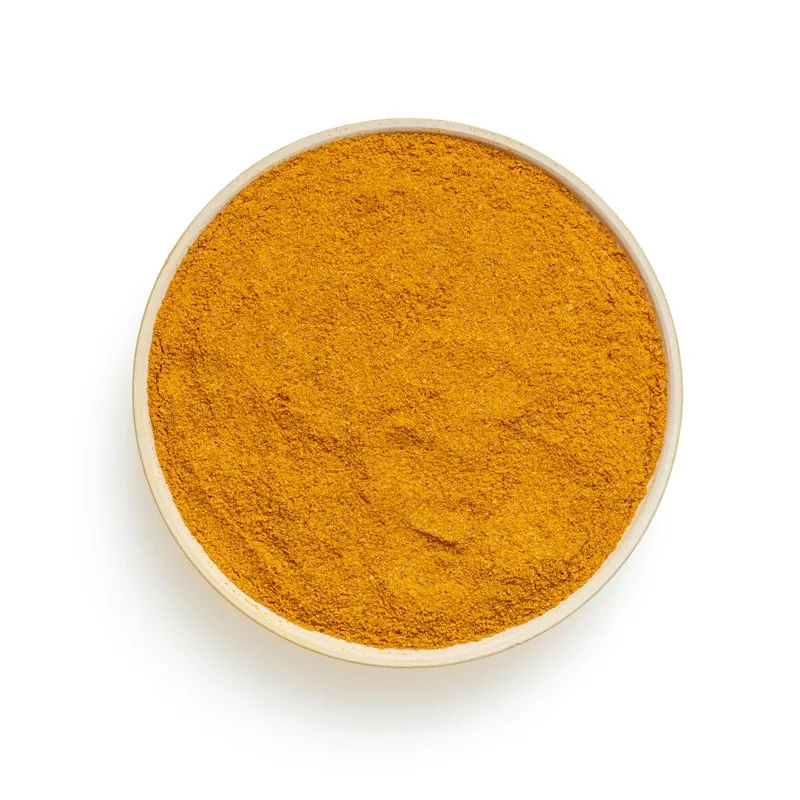
Ground seed thickener for ofe owerri and oha.
Achi is a ground seed used in Igbo cooking to thicken soups and give them a smooth, velvety body. It is stirred into the pot as a paste and simmered until the soup thickens.
Coming soonComing in the next few months
We are getting Achi ready for Afri Foods Basket. Leave your email and we'll send one message the day it lands.
No spam. One email per launch. Unsubscribe any time.
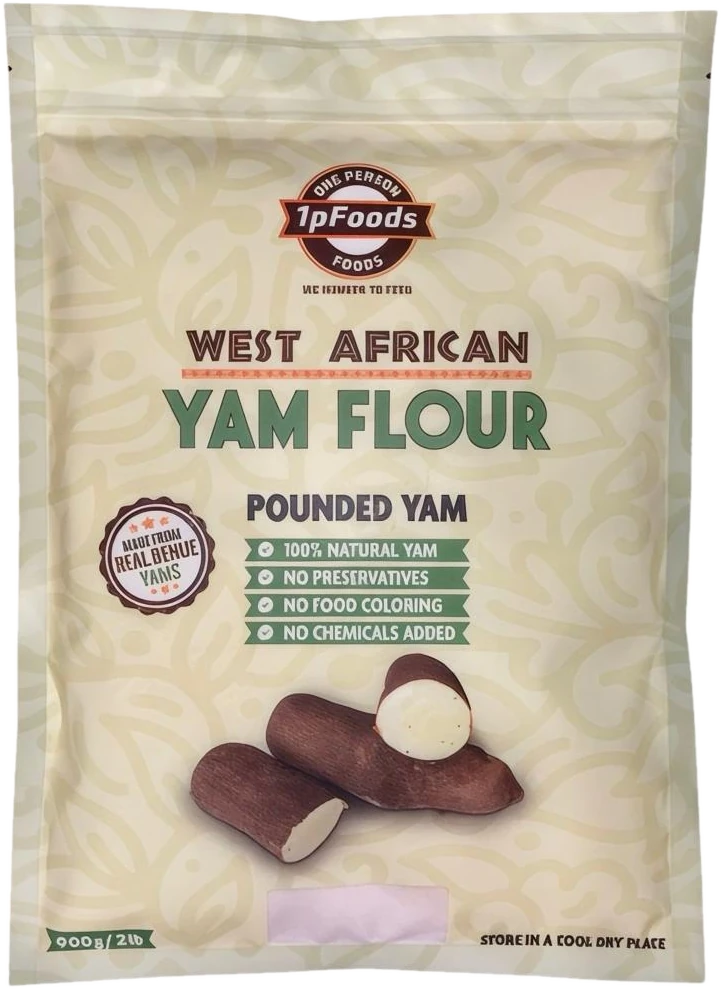
Make the swallow todayPounded yam flour is in stock and ships in 24–48 hours.
Coming soon 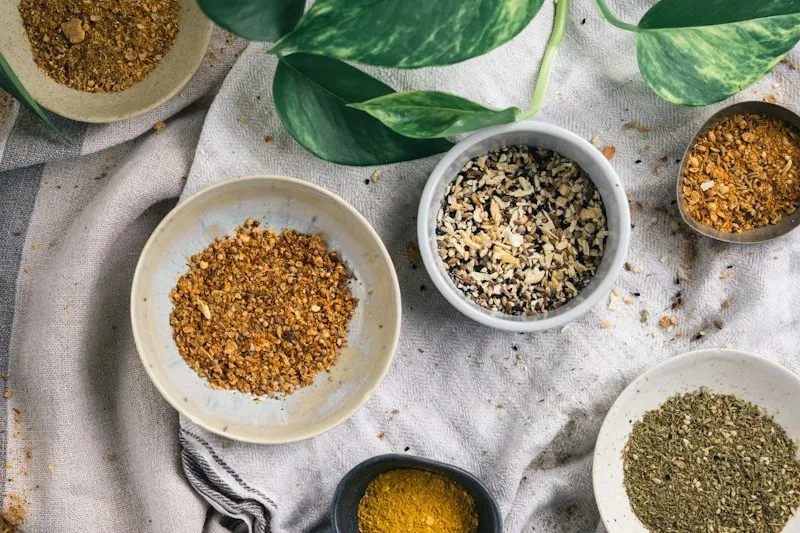
Achi is not achara: two similar words, two different things
Achi is the Igbo name for the seed of Brachystegia eurycoma, a tree of southern Nigeria and western Cameroon, and by extension for the flour ground from it. Achara is a different ingredient altogether: peeled, chopped stalks of a tall grass, which sources call elephant grass, and which give ofe achara its name. The confusion is understandable, because achi is often the thickener in that very pot, so the two words land in the same bowl.
Other languages have their own names, though the spellings change from source to source: akolodo or ekalado in Yoruba, ukung in Efik, okwen or okweri in Edo. Recipe writers also say "achi soup" when achi is the thickener, for example oha with achi. There is no documented standard dish by that name, so take it as a label rather than a fixed recipe.
From flat seed to powder
The seeds are small, flat discs, about 14 millimeters (roughly half an inch) across in a physical-properties study, well under half the width of an ogbono kernel. They are cracked, boiled, dehulled and ground. Sellers offer them unhulled, dehulled or as ready powder, and for most US shoppers the powder is the practical choice. Cooks who start from dehulled seed grind them in a dry mill at home.
Gel, not slime: what achi does that ogbono does not
When achi flour meets water it swells into a gel with a gummy feel. That is why it gives a soup body rather than the long strings of draw soups. The goal is a soup that coats a swallow but still pours: one recipe describes the target as neither thick nor watery, just in between.
Achi also keeps working. It thickens as the pot simmers and again as it stands, and one Nigerian food writer warns that too much at once produces a sludge that takes a lot of water to rescue. Add it in stages and judge only after a few minutes.
Many cooks treat achi, and ofo, as the convenient alternative to cocoyam, which has to be boiled, peeled and pounded until stretchy. Some home cooks writing on recipe sites insist cocoyam is the original. Both camps cook very good soup.
Thickening a pot with achi, step by step
- Build the base first: stock, palm oil, pepper, crayfish, fish and meat, simmered for about ten minutes so the flavor is already there.
- Stir the achi with cool or lukewarm water into a pourable paste. This is the step that prevents lumps.
- Pour or spoon the paste into the simmering pot in portions, stirring quickly. A few cooks sprinkle the dry powder straight onto boiling broth while stirring hard, which works but is the riskier route.
- Simmer seven to fifteen minutes, depending on the recipe, and check the texture before adding more.
- Add leaves last, once the soup has body.
Amounts vary a lot. Some recipes use as little as two tablespoons for about six cups of stock, others three or four tablespoons, and one large pot calls for half a cup. For a first try, start small and work upward.
| What you see | Likely cause | What to do |
|---|---|---|
| Lumps | Paste too thick, or dry powder hit hot liquid | Stir or whisk hard; smooth the next batch with cool water first |
| Sludgy and heavy | Too much added too fast | Loosen with hot stock or water, then simmer a minute |
| Still thin after ten minutes | Too little, or heat too low | Stir in another small spoonful of paste and simmer |
Which soups call for achi, and which usually do not
- Oha soup: achi, ofo or cocoyam all appear in recipes. The oha leaves go in for the last three or four minutes.
- Okazi soup: thickened with achi, ukpo or ofo. One recipe adds achi after the palm oil and cooks it about fifteen minutes before the crayfish and periwinkles. See ukazi leaf for the greens.
- Achi soup with uziza: one modern recipe simmers stockfish and dried catfish, adds fresh fish, palm oil, achi, crayfish and pepper, boils about ten minutes until thick, then stirs in sliced uziza leaf and takes the pot off the heat. Start to finish is about forty minutes.
- Ofe achara: egusi balls, peeled achara, okazi leaf and achi in palm oil.
- Bitterleaf soup: a source notes achi or cocoyam as variations.
- Ofe Owerri: traditionally cocoyam. Some recipe writers say achi can stand in anywhere cocoyam is used, but that is a substitution, not the classic method.
When egusi is already in the pot as balls or ground seed, some cooks leave achi out, since the egusi thickens the soup itself.
Choosing between achi, ofo, ukpo and cocoyam
They are not identical. One Nigerian food writer calls ofo a favorite and achi the least favorite, which tells you how personal the choice is. Each also behaves differently: ofo is dissolved in hot liquid rather than cool, and ukpo comes from a bean that needs long boiling before it is ground. Recipe writers treat the three powders as swaps for one another in oha and okazi, with the caveat that each has its own flavor.
Choosing and storing achi powder
Look for a dry, loose powder that smells mild and slightly earthy, with no sourness and no clumps. A pot uses only a few tablespoons, so even a small pack covers several pots. Moisture is the main enemy, because the powder swells and cakes the moment it meets water: use a dry spoon, close the pack after each use and keep it away from the steam over the stove. Achi comes from a legume-family tree, which matters if someone you cook for avoids legumes: the label's allergen statement is the place to check.
Serving achi soups with pounded yam, and the Notify me list
These soups are made for a firm swallow. A pot with ground crayfish and dried fish suits pounded yam flour, which you can order today. Achi itself is not for sale yet; leave your email in the Notify me form to be told when it is added.
Goes well in
Achi soup (ofe achi)Ofe owerriOha soupThick vegetable soups served with pounded yam
Questions
Achi FAQ
Still have a question?
Real people, happy to help.
Chat on WhatsApp (734) 219-0258 hello@afrifoodsbasket.com Browse all FAQsAchi is a ground seed used in Igbo cooking as a soup thickener. Stirred into a simmering pot, it gives the soup body and a smooth, velvety texture. It is best known in achi soup and is also used in ofe owerri and oha soup, depending on the recipe and the cook.
Mix it with a little warm water or stock until smooth, then stir it into a simmering soup a spoonful at a time. Keep stirring so it blends without lumps, and let the soup cook until it thickens. Add more only after it has had time to work, because it keeps thickening.
Keep it in an airtight container in a cool, dry place away from light and steam. Reseal the pack after every use and scoop with a dry spoon so no moisture gets in. Check the pack for the best-before date and any storage note.
Achi is coming to Afri Foods Basket in the next few months. It is not for sale yet, but you can press Notify me on this page and we will let you know when it is added. Our pounded yam flour is available now to serve with your soup.
No. Achi is the ground seed of Brachystegia eurycoma, used to thicken soup. Achara is the peeled, chopped stalks of a tall grass that give ofe achara its name. The two meet in that one soup, where achara is the vegetable and achi is the thickener, which is why the words get mixed up so often.
Many cooks do. Achi is a powder, so there is no boiling, peeling or pounding, and it thickens a pot in minutes. Texture and flavor are not identical, though, so treat it as a swap rather than a copy. Dishes such as ofe Owerri are traditionally made with cocoyam, and some cooks prefer to keep it that way.
No. Achi flour swells into a gel with a gummy feel, which gives a soup body that coats a swallow but not the long strings you get from ogbono or okra. If you want a soup that pulls, you want ogbono or okra. If you want one that is thick but still spoons and pours, achi is the right idea.
Most recipes do. Stir the powder into cool or lukewarm water until it is a pourable paste, then add it to the simmering pot in portions. A few cooks sprinkle the dry powder onto boiling broth while stirring hard, but that is riskier for lumps. Either way, add a little at a time, because the soup keeps thickening as it stands.