 Coming soon
Coming soon · Coming in the next few months
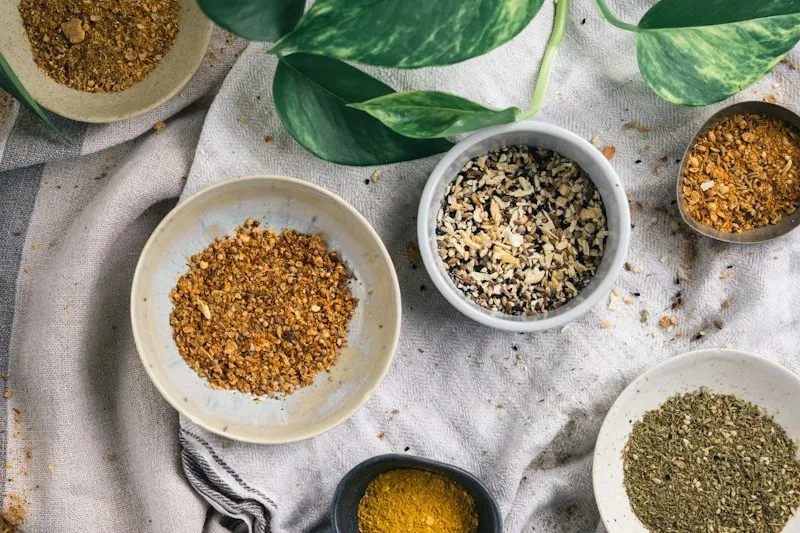
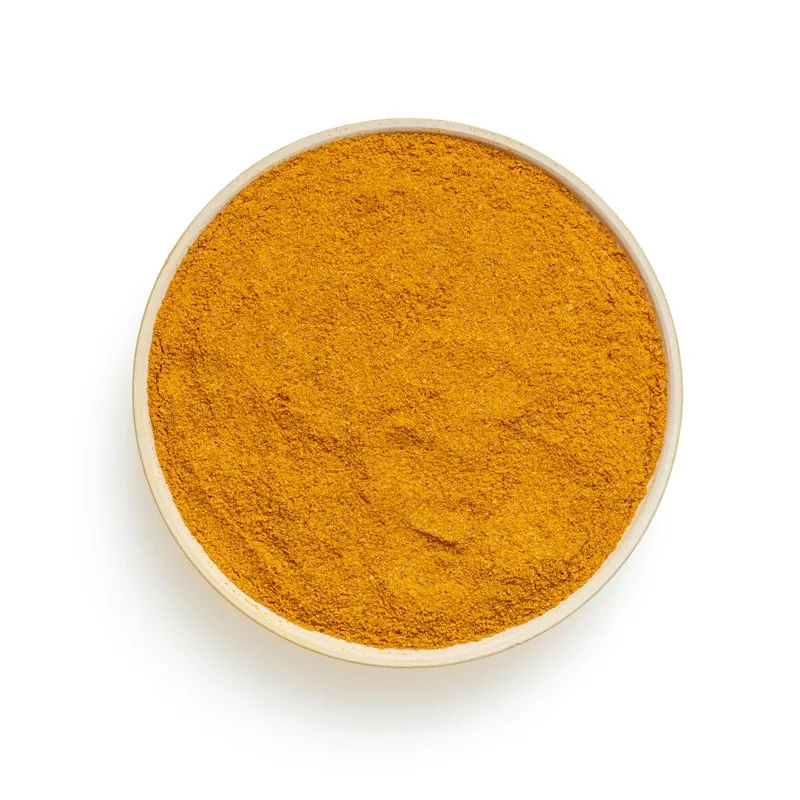
Ofo
Traditional thickener for ofe onugbu and oha.
Ofo is a traditional Igbo soup thickener, best known in oha soup and ofe onugbu (bitterleaf soup). It gives the soup body, so the broth clings to a ball of swallow.
Coming soonComing in the next few months
We are getting Ofo ready for Afri Foods Basket. Leave your email and we'll send one message the day it lands.
No spam. One email per launch. Unsubscribe any time.
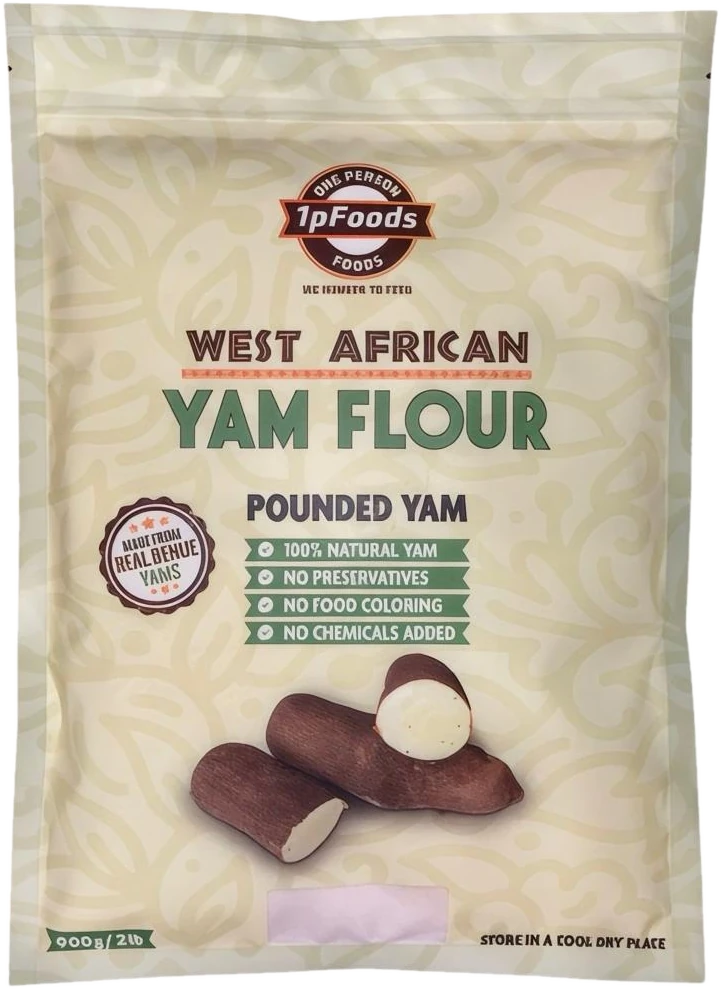
Make the swallow todayPounded yam flour is in stock and ships in 24–48 hours.
Coming soon 
Ofo, ofor, mkpuru ofo: one word with more than one meaning
In the kitchen, ofo (often spelled ofor, and sometimes called mkpuru ofo, meaning ofo seed) is a powder ground from the seeds of a West African tree in the genus Detarium. Igbo cooks use it to thicken soup, notably oha and okazi. Most seller listings and research papers name the species as Detarium microcarpum, which English-language sources call sweet detar or sweet dattock. One reference ties ofo flour to the related Detarium senegalense instead, so the exact tree is not settled.
The same word has a much weightier meaning in Igbo culture: the ofo staff, a symbol of truth, justice and authority, made from a branch of a Detarium tree. The staff and the soup powder are different things, and this page is only about the pantry ingredient.
From hard seed to powder
The traditional route is to soak the seeds in boiling water, remove the hulls, dry them completely and grind them. Sellers offer whole seeds and ground powder, and one describes a coarse first grind followed by a fine one. A research paper on seeds from northern Benin advises cooking them before processing or eating, noting oxalates and phytates in the raw seed and that preheating lowers the oxalates. That fits the hot-water soak. It also makes it sensible to buy ground ofo from a seller who describes how it was processed, and to follow the pack directions.
Why ofo wants hot liquid
This is the practical fact that separates ofo from the other powders on our soup thickeners page. One recipe writer is emphatic that ground ofo must be dissolved in hot liquid, because cold water makes it coagulate into lumps. The usual move is to ladle a spoonful of hot stock out of the pot, stir the ofo into it until smooth, and pour it back. Achi, by contrast, is often premixed cool.
Another cook stirs ofo straight into hot palm oil and then warns that it still forms small lumps. Those get crushed against the pot with a spoon over about ten minutes of boiling, until the soup turns gelatinous. A third writer says stir well and let heat dissolve whatever lumps remain, and cook until the soup turns an even, creamy yellow. The common thread is heat plus stirring.
How much ofo to use
Quantities vary more than almost anywhere else in this category: one tablespoon for about ten servings in one recipe, two spoons in another, four tablespoons in a third, and one hundred grams for a party of a dozen or more. A lab study of seed flour pastes rates ofor as a strong thickener, and sellers and recipe writers advise starting small, so begin with one level tablespoon for an everyday pot and add only after the soup has had several minutes to respond.
A walkthrough: oha soup thickened with ofo
- Simmer the base for about ten minutes: stock, palm oil, pepper, crayfish, and your meat or stockfish.
- Stir one tablespoon of ofo into a ladle of the hot stock until smooth, then return it to the pot.
- Simmer, stirring, until the soup visibly gains body. Crush any lumps against the side of the pot.
- Judge the texture. Add a second spoonful the same way only if you need it.
- Stir in the oha leaves last and give them three or four minutes, so they stay tender and green.
If the soup is for tomorrow as well, expect it to tighten as it stands, as thickened soups do. Cool it and get it into the refrigerator within two hours, then loosen it with a splash of hot stock and reheat it to 165 degrees F. At a tablespoon or two per pot, even a modest pack of powder covers a lot of soup.
Other pots where ofo turns up
- Okazi soup: ofo is one of three standard choices here, with achi and ukpo, and one food writer names it a favorite. The greens are covered on the ukazi leaf page.
- Bitterleaf soup: sellers recommend ofor as a stand-in for cocoyam powder.
- Egusi soup: a seller suggests mixing ofor into it.
- Niger Delta native soup: one recipe site lists cocoyam as the traditional thickener, with ofor or achi as alternatives that some commenters call later conveniences, and a south-south native soup recipe uses ofo as its main thickener.
Substitutes, and what is not a real swap
Achi, cocoyam and ukpo are the traditional alternatives, and recipe writers swap them freely, though each carries its own flavor. One diaspora recipe also lists finely ground oats, cornstarch or flour for cooks with nothing else. Those give body but not the same taste or texture, so think of them as a last resort.
Choosing and storing ofo
Read the label. Packs say ofo or ofor, and you want to know whether you are getting whole seed or powder, and how fine the grind is. Good powder is dry and loose, smells clean and shows no damp patches or insect bits. Whole seeds are a project: they need hot-water soaking, hulling, drying and grinding, so most home cooks outside Nigeria will want the powder. Detarium belongs to the legume family too, so anyone avoiding legumes should check the pack's allergen information before cooking with it. At home, keep it in a sealed container away from steam and use a dry spoon, since a damp scoop can start clumping the whole pack.
Which swallow suits ofo soups, and how to hear when it arrives
Sellers pair ofor with pounded yam, cassava fufu, garri and plantain fufu. You can order pounded yam flour today. Ofo is not for sale yet, and the Notify me form on this page is how to hear when it arrives.
Goes well in
Oha soup (ofe oha)Ofe onugbu (bitterleaf soup)Oha soup with stockfish and assorted meatBitterleaf soup with dried fish
Questions
Ofo FAQ
Still have a question?
Real people, happy to help.
Chat on WhatsApp (734) 219-0258 hello@afrifoodsbasket.com Browse all FAQsOfo is a traditional Igbo soup thickener, best known in oha soup and ofe onugbu. What it is made from and the form it is sold in can vary by region and by seller, so we describe it by what it does: it gives the soup body so the broth clings to your swallow.
Add it to the simmering soup base and stir well so it spreads without clumping. Start with a small amount, give it a few minutes, then judge the texture before adding more. Check the pack for any specific directions, since forms and strengths can differ from one product to another.
Keep it in an airtight container in a cool, dry cupboard, away from heat, light and steam. Reseal the pack after every use and scoop with a dry spoon so moisture stays out. Check the pack for the best-before date and any storage instructions.
Ofo is coming to Afri Foods Basket in the next few months. It is not for sale yet, but you can press Notify me on this page and we will let you know when it is added. Our pounded yam flour is available now for serving with your soup.
No. The ofo staff is a cultural symbol of truth, justice and authority, made from a branch of a Detarium tree. The soup thickener is a powder ground from the seeds of Detarium trees. They share a name and a tree genus, but one is a ceremonial object and the other is a pantry ingredient, and this page is only about the powder.
Cold liquid makes ground ofo coagulate. Dissolve it in a ladle of hot stock first, or stir it into the hot pot and keep stirring. Cooks crush stubborn lumps against the side of the pot during the simmer, and heat dissolves the rest. Adding it in small amounts rather than all at once also helps the powder spread evenly.
No. Achi comes from the seeds of Brachystegia eurycoma, a different tree, while ofo comes from Detarium seeds. Recipe writers swap them in oha and okazi soup, but each has its own flavor. Cooks also handle them differently: ofo is usually dissolved in hot liquid, while achi is often stirred into cool or lukewarm water first.
Published recipes range from one tablespoon for about ten servings up to four tablespoons, and one hundred grams for a party of a dozen or more. Because ofo is a strong thickener and keeps tightening as the soup stands, start with one level tablespoon, wait several minutes, and add more only if the soup still looks thin.