
 Coming soon
Coming soon · Coming in the next few months
Red Palm Oil
Rich red palm oil for soups and stews.
Red palm oil is the deep orange-red oil pressed from the fruit of the oil palm, and it is a cornerstone of Nigerian soups and stews. It gives dishes their color and a rich, earthy flavor. It is coming soon to Afri Foods Basket.
Coming soonComing in the next few months
We are getting Red Palm Oil ready for Afri Foods Basket. Leave your email and we'll send one message the day it lands.
No spam. One email per launch. Unsubscribe any time.
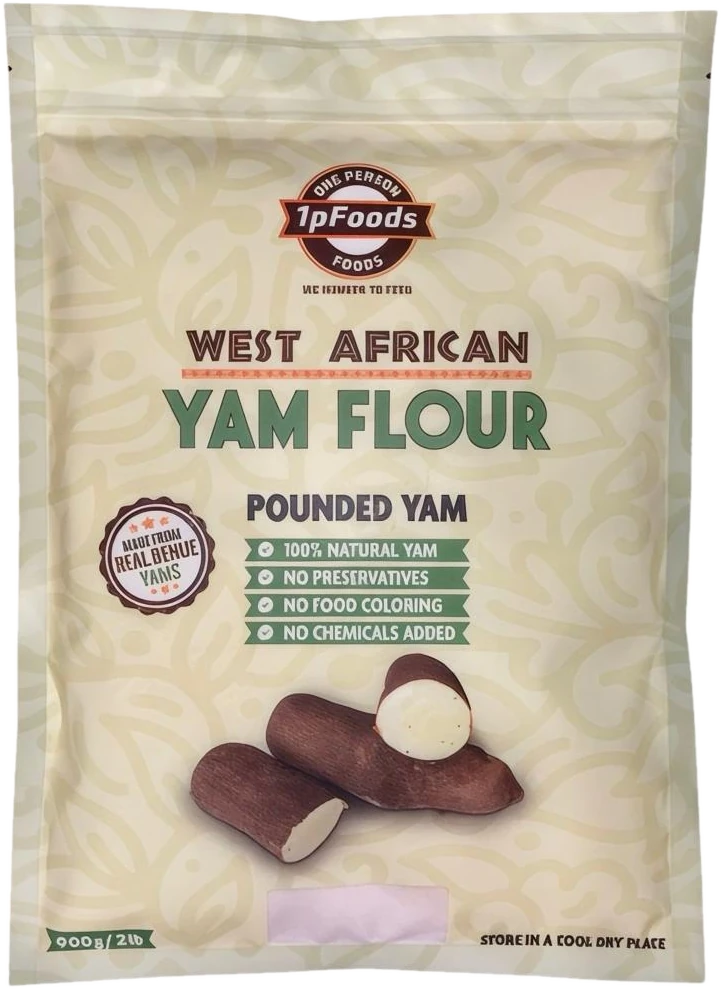
Make the swallow todayPounded yam flour is in stock and ships in 24–48 hours.
Coming soon 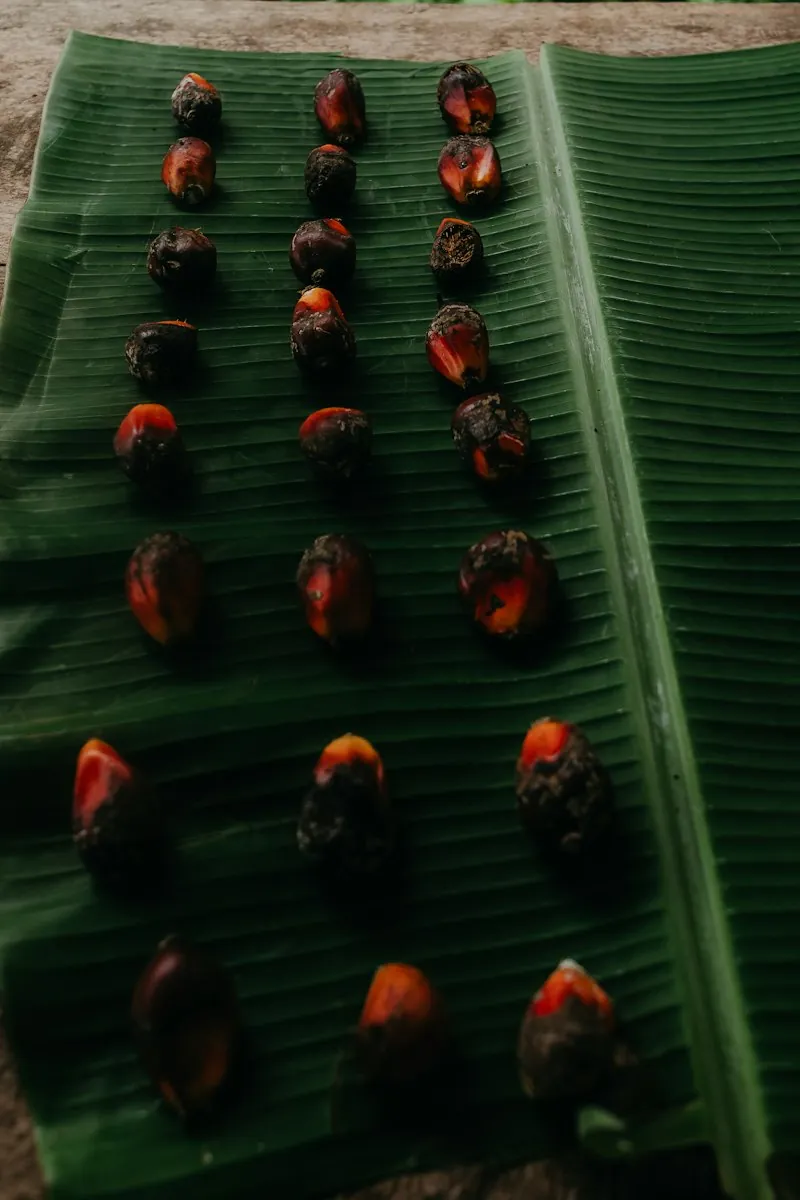
Where red palm oil comes from and why it is red
Red palm oil is pressed from the soft orange pulp around the seed of the African oil palm, Elaeis guineensis, a tree native to the forest belt of West and Central Africa. The color belongs to the fruit. It is a carotene pigment, and it stays in the oil because nothing bleaches it out afterward.
Village-scale processing follows the same steps in most descriptions. The fruit is boiled to soften it, pounded in a mortar or trampled to loosen the pulp, then steeped in water and squeezed. The oily water is boiled until the water cooks off, and the oil is skimmed from the top.
Red palm oil, refined palm oil and palm kernel oil are three different things
- Red palm oil comes from the pulp and keeps its color, aroma and flavor. This is the oil Nigerian recipes mean.
- Refined palm oil also comes from the pulp, but it has been refined, bleached and deodorized (the trade shorthand is RBD). That removes the carotene and leaves a pale yellow, mild oil.
- Palm kernel oil comes from the seed inside the fruit. It is nearly colorless, behaves more like coconut oil, and is used in manufactured foods, soap and cosmetics rather than in a Nigerian stew pot.
What to expect from a bottle: smell, shade and texture
Expect an earthy, savory smell and a shade anywhere from orange to deep red. Cooks describe a warm, slightly smoky flavor once it meets a hot pot.
Texture is what surprises first-timers. Sources give a melting range of roughly 77 to 122 F, wide because palm oil is a blend of softer and harder fats. In an ordinary kitchen it is often soft or semi-solid, and it can separate into a runnier layer over a thicker, grainy one. That is normal behavior, not spoilage.
Melt it, warm it or bleach it: three ways the oil goes into the pot
Melted only: ogbono soup
Ogbono recipes tell you to melt congealed oil over low heat, then switch the heat off. The ground seed is stirred into the warm oil until it turns reddish orange and the oil disappears into it. Cooks then combine the paste with stock, either adding stock to the pot gradually or spooning the paste into simmering stock, and stir often, because ogbono scorches easily.
Warmed gently: stews and efo riro
For tomato-pepper stews and efo riro, the oil is warmed until fragrant, never until it smokes. One efo riro recipe gives it about two minutes before sliced onions go in, then locust beans, then the blended peppers.
Bleached first: ayamase
Ayamase, the green pepper stew served with ofada rice, is the exception. Traditional recipes heat the oil in a clean, dry pot over medium heat for about 10 to 12 minutes, until it loses its red color. Cooks describe the result as clear or a pale honey shade. The step is smoky, so open a window, keep the pot covered and let it cool before lifting the lid. Some cooks skip bleaching and use the oil as it comes. Either is a choice, not a rule.
Which dish wants which treatment
| Dish | How the oil goes in |
|---|---|
| Ogbono soup | Melted, then mixed with ground ogbono into a paste |
| Efo riro | Warmed first, then onions, locust beans and blended peppers |
| Palm oil stew | Base fat for onions, tomatoes, ground crayfish and meat |
| Palm oil rice, sometimes called native jollof | Cooking fat for the rice, alongside crayfish and dried fish |
| Ayamase | Bleached first in a dry pot, then used as the cooking oil |
| Ewa agoyin sauce | One ingredient in a sweet onion and pepper sauce cooked down until caramelized |
Amounts depend on pot size. For a feel, one small stew recipe uses 2 tablespoons, a jollof recipe a quarter cup, and an efo riro recipe half a cup.
Banga and ofe akwu are a separate case. They start from the thick extract of boiled, pounded palm fruit, often bought canned as palm fruit concentrate, and ofe akwu typically includes leaves such as ugu. Because the extract is a different ingredient from bottled oil, a bottle is not a like-for-like swap.
Heat, splatter and kitchen safety
Stay at the stove whenever oil is heating. Start with a dry pot and a dry spoon, since water and hot oil spit at each other. Pat meat and fish dry, add wet blended peppers slowly, and keep your face back. Turn pot handles inward and keep a lid within reach.
If oil in a pan catches fire, slide the lid over it, turn off the heat, and leave the pan alone until it is completely cool. Never throw water on it. If the fire does not go out, leave the house and call 911 from outside, as US fire-safety guidance advises. Palm oil also stains cloth, wooden spoons and plastic lids, so wear an apron.
Storing it, and what solid or separated oil means
Keep the container tightly closed in a cool, dark cupboard away from the stove. When the oil firms up, stand the container in a bowl of warm water, then stir so any layers recombine. Use a clean, dry spoon every time.
Trust your nose. A sharp, soapy or rancid smell means the oil has turned, and it should be thrown out. Buy only what you can finish before the best-before date.
Is palm oil sustainable? What is actually known
There are two sides. The oil palm yields far more oil per acre than other major oil crops, roughly four times what sunflower or rapeseed give, so researchers argue that dropping palm oil would shift farmland pressure elsewhere. But plantation growth, mostly in Indonesia and Malaysia, has been a major driver of forest loss.
The Roundtable on Sustainable Palm Oil (RSPO), formed in 2004, certifies producers against environmental and social standards, and roughly a fifth of global production was certified as of 2023. Studies disagree on how much it helps: some link certified areas to less deforestation, while a satellite study found many certified plantations on land that was forest within recent decades, and RSPO has said it does not count past clearing. Nothing here is a claim about any particular product, because nothing is for sale yet.
Substitutes, and where red palm oil stands at Afri Foods Basket
Recipe writers disagree on substitutes. Some say a neutral oil works for stews and rice but misses the color and smoky flavor. For ogbono and ayamase the oil is part of the dish, so expect a different result.
Red palm oil is not for sale here yet. There is no price, brand, pack size or date, and none is implied. To hear when it can be ordered, use the Notify me form on this page and leave your email. Its shelf is Staples and Oil, which also lists garri. For a swallow to go with your soup today, pounded yam flour is in stock.
Goes well in
Ayamase (designer stew)Egusi soupEfo riroOgbono soupEwa agoyin sauceBanga and ofe akwu (palm fruit soups)
Questions
Red Palm Oil FAQ
Still have a question?
Real people, happy to help.
Chat on WhatsApp (734) 219-0258 hello@afrifoodbasket.com Browse all FAQsRed palm oil is a deep orange-red cooking oil pressed from the fleshy fruit of the oil palm. It keeps the fruit's natural color and has a rich, earthy flavor, which is why it is used in many Nigerian soups and stews. Check the label for details about how the oil was processed.
Heat a little in the pot, fry your onions and pepper base in it, then build the soup or stew as usual. Take care not to let it smoke. Some recipes, such as ayamase, heat the oil to a high temperature first, so follow your recipe closely and never leave hot oil unattended.
Keep it tightly closed in a cool, dark cupboard away from heat and light. It can turn soft or partly solid in cool weather, which is normal, and melts again when the container is warmed gently in warm water. Use a clean, dry spoon and follow the best-before date.
It is coming to Afri Foods Basket in the next few months. There is no price or date yet. Press Notify me on this page and we will let you know as soon as it is ready to order. We ship across the continental United States.
No. Red palm oil is pressed from the fruit's pulp and keeps its orange-red color and earthy flavor. Palm oil in many packaged foods is refined, bleached and deodorized, which removes the pigment and leaves a pale, mild oil. Palm kernel oil comes from the seed inside the fruit, is nearly colorless and behaves like coconut oil. When a Nigerian recipe says palm oil, it means the red one.
You can, and plenty of cooks do when palm oil is hard to find, but the dish will change. A neutral oil gives none of the red color or the warm, slightly smoky flavor, and recipe writers who prefer palm oil say it is hard to match. In ogbono soup and ayamase, where the oil is part of the dish itself, the difference is bigger.
Bleaching means heating red palm oil in a clean, dry pot over medium heat, usually about 10 to 12 minutes, until it loses its red color. Traditional ayamase recipes call for it, and it changes the flavor of the stew. The step is smoky, so ventilate, keep the pot covered and never walk away from it. Some cooks skip it. It is a choice, not a rule.
It is a mixed picture. Oil palm gives a lot of oil per acre, but plantation growth, mostly in Southeast Asia, has driven forest loss. RSPO, the Roundtable on Sustainable Palm Oil, is a certification scheme formed in 2004 with environmental and social standards. Studies disagree on how much it helps. This page makes no sourcing claim about any product, because none is for sale yet.
More coming soon
Coming soon