
 Coming soon
Coming soon · Coming in the next few months
Garri
Crisp cassava garri for eba or soaking.
Garri is a dry, crisp granule made from grated, fermented and roasted cassava. Stir it into hot water for eba, a stretchy swallow for soups, or soak it in cold water and enjoy it as a snack. It is coming soon to Afri Foods Basket.
Coming soonComing in the next few months
We are getting Garri ready for Afri Foods Basket. Leave your email and we'll send one message the day it lands.
No spam. One email per launch. Unsubscribe any time.
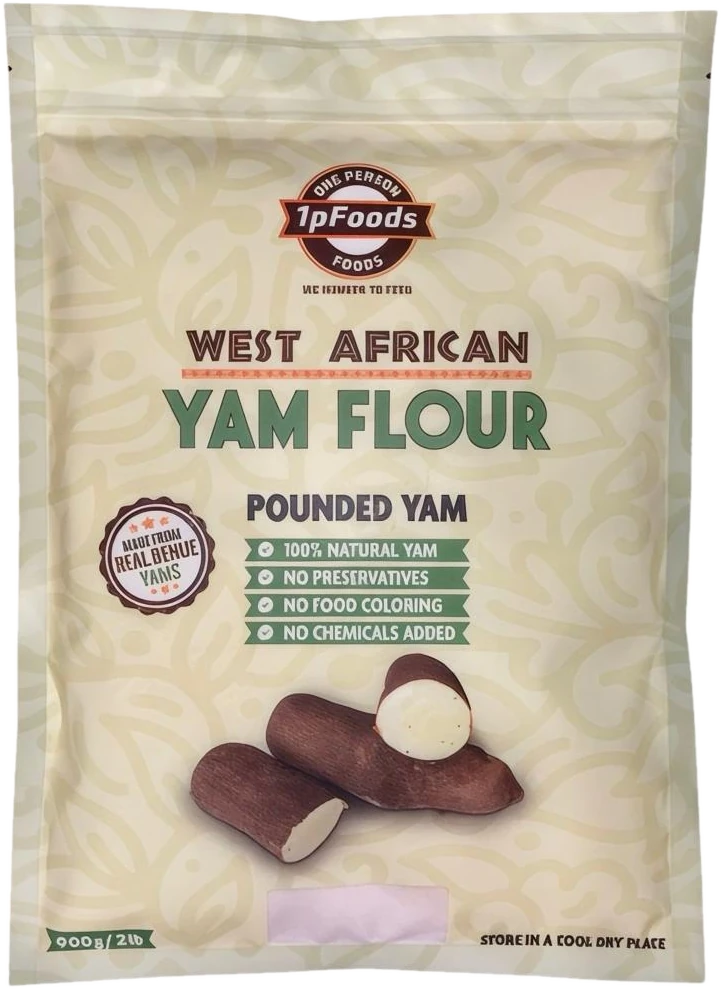
Make the swallow todayPounded yam flour is in stock and ships in 24–48 hours.
Coming soon 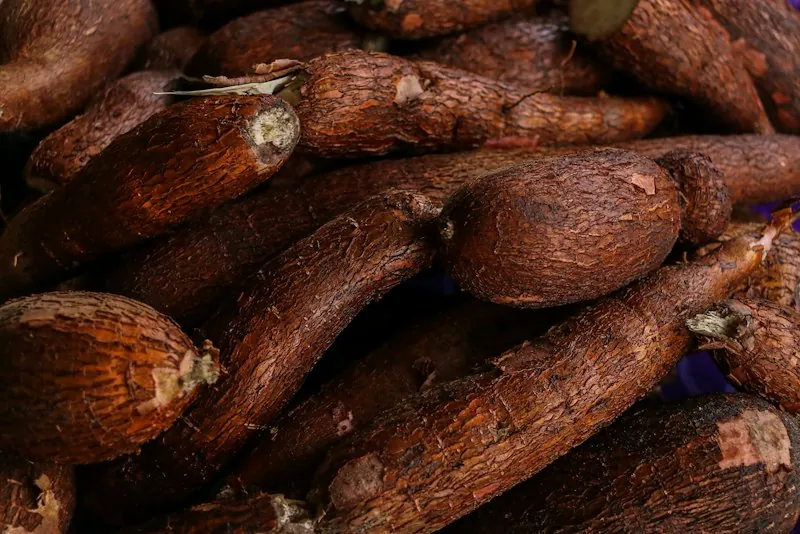
How cassava becomes dry, shelf-stable garri
Garri (also spelled gari or gaari) is a granular food made from cassava, Manihot esculenta, the starchy root that much of West Africa turns into flours, pastes and granules. The international Codex standard for gari lists the steps in order: peel and wash the roots, grate them, ferment and press the pulp, break the cake into grains, sieve, then toast the grains in a wide pan until dry. That last heating step partly gelatinizes the starch.
The result pours like coarse sand. The Codex standard caps moisture at 12 percent, and that dryness is the reason a bag keeps so well. Garri is eaten across Nigeria, Benin, Togo and Ghana, and in two very different ways: stirred into boiling water as eba, or soaked cold.
Cassava and cyanide: what the food-safety agencies actually say
Raw cassava naturally contains compounds that release hydrogen cyanide when the root's cells are broken. This is well documented, and it is why cassava is never eaten raw. The FAO and WHO Codex code of practice describes the traditional answer. Peeling removes the outer layers, where most of these compounds sit. Grating lets a natural enzyme start breaking them down. Fermentation and pressing carry much of the rest away, and roasting reduces what is left. The same code says fermentation should not be rushed, with at least two days recommended, and that bitter varieties need more extensive processing than sweet ones.
The documented poisonings involve something else. CDC reported an outbreak in Uganda in 2017 traced to cassava flour from a high-cyanide wild type, and its advice was strict adherence to established processing methods. For a US shopper the practical advice is calm and short. Buy garri sold as food by a producer who ferments, presses and roasts it. Never eat raw cassava. Do not try to make garri at home from roots of unknown variety. Making eba or soaking garri only rehydrates a finished food, and it does not replace those production steps.
White, yellow, Ijebu, fine or coarse: choosing a type
| Type | What sets it apart |
|---|---|
| White garri | Roasted without palm oil, cream to white |
| Yellow garri | Palm oil added during roasting gives the golden color; often called garri Ibo and popular in the Niger Delta and the East |
| Ijebu garri | Made by Yoruba producers in the Ijebu area; fermented longer, so it is sharper, drier and finer |
| Grain size | Codex grades gari from extra-fine to coarse by sieve size; fine grain gives smoother eba |
The tang comes from fermentation time. Codex notes that 12 to 24 hours gives a bland, starchier garri, while roughly two to seven days gives a sour one with less starch. Some consumer guides say Ijebu garri ferments about a week. Sour garri is the usual pick for soaking, and the milder, starchier kinds are favored for eba, though preferences vary by household.
How to make eba, with amounts and fixes
Published recipes disagree on the water ratio, and the disagreement is real, because garri types absorb differently. Ratios run from about one cup of garri per cup of water up to one cup per three. Most sit near one part garri to two parts water. For a first batch, try half a cup of garri and a cup of water per person, and let texture decide.
- Bring the water to a full rolling boil. Water that is merely hot will not give the right texture.
- Pour it into a deep, heat-safe bowl or pot. Keep your face back, since boiling water splashes.
- Sprinkle the garri over the water a little at a time in a circular motion, stirring with a wooden spoon so it does not clump.
- Keep stirring vigorously until the dough is smooth and holds together. Expect five to ten minutes in total.
- If it is too soft, sprinkle in more garri. If it is too stiff, add a spoonful or two of boiling water.
- For a smoother, springier dough, one recipe warms it over low heat for a minute or two.
A minority of recipes reverse the order, pouring boiling water over the garri in small amounts while stirring. Both approaches are in common use. Serve it hot, pinch off a small piece, roll it into a ball and dip it into the soup. Pounded yam is the other classic swallow, and ogbono soup is traditionally paired with it, though eba works too.
Soaked garri, the cold way
Stirred into cold water, the granules swell and soften but stay separate. People add sugar, honey, peanuts, coconut or evaporated milk. Garri expands a lot, so add it a spoonful at a time. Mix it fresh and finish it, rather than leaving a soaked bowl on the counter. Garri is also eaten with cooked beans and red palm oil, and smooth garri seasoned with pepper and palm oil sits beside fried fish.
Choosing and storing a bag so it stays crisp
Look for dry, free-pouring grains in the shade the label promises, with no clumps and no musty smell. Moisture is the enemy. Garri soaks up water from the air, then goes soft, and damp garri can grow mold. After opening, move it to an airtight container, keep it in a cool, dry cupboard away from stove steam, and use a dry scoop. Throw out anything that is damp, clumped, musty, moldy or showing insects.
One published storage study followed packaged garri for 24 weeks and found its cooking properties shifted over time. Its authors favored polypropylene packaging for up to five months. The takeaway is to buy what you will use in a few months.
How much to buy
Published recipes range from half a cup of dry garri per person for eba to over a cup, so plan for your hungriest guest. A soup meal for four might use two to four cups, with extra for seconds.
Garri at Afri Foods Basket
Garri is not for sale yet. There is no price, brand, pack size or date, and none is implied. To hear when it can be ordered, use the Notify me form on this page and leave your email. Its page sits on the Staples and Oil shelf next to red palm oil. Leafy soups such as efo riro, made with greens like spinach or ugu, are classic partners for eba. For a swallow in your kitchen today, pounded yam flour is in stock.
Goes well in
Eba with egusi soupEba with okra soupEba with ogbono soupEba with efo riroSoaked garri with groundnuts (peanuts)Soaked garri with sugar and milk
Questions
Garri FAQ
Still have a question?
Real people, happy to help.
Chat on WhatsApp (734) 219-0258 hello@afrifoodsbasket.com Browse all FAQsGarri is a dry, crisp granular food made from cassava. The roots are peeled, grated, fermented, pressed to remove liquid and then roasted in a wide pan. It keeps its texture when stored dry, and is the main ingredient in eba and in soaked garri.
Pour freshly boiled water into a bowl or pot, add garri a little at a time, and stir firmly with a wooden spoon until smooth and stretchy. Add a splash more hot water if it is too stiff. Serve it hot with your favorite soup, and eat it with your fingers.
Keep it dry. Store it in a tightly closed container or a well-sealed bag in a cool, dry cupboard, and use a dry scoop each time. Garri picks up moisture from the air and goes soft, so avoid leaving the bag open and keep it away from steam.
It is coming to Afri Foods Basket in the next few months. There is no price or date yet. Press Notify me on this page and we will let you know as soon as it is ready to order. We ship across the continental United States.
Raw cassava naturally contains compounds that release cyanide, which is why garri is made by peeling, grating, fermenting, pressing and roasting. Codex, the FAO and WHO food standards body, has a standard for gari and a code of practice for cassava products. The poisoning outbreak CDC reported in Uganda involved flour from a high-cyanide wild type. Buy garri as a finished food, keep it dry, and never eat raw cassava.
Many cooks pick a milder, starchier garri, often yellow, for eba, and a sharper, drier Ijebu-style garri for soaking, since the sour taste suits cold water, sugar and groundnuts. Fine grain gives smoother eba. This is preference rather than a rule, and packs differ, so try a small amount first and keep the one your household likes.
Lumps usually mean the water was not at a full boil or the garri went in too quickly. Pour boiling water into the bowl first, sprinkle the garri in gradually while stirring hard, and keep stirring until smooth. If it is stiff, add a spoonful of boiling water. If it is soft, add more garri. Different garri absorbs different amounts, so go by texture.
No. Garri is cassava that has been grated, fermented, pressed and roasted into dry granules. Lafun and other cassava flours, tapioca-type cassava starch and fufu powder are different products made by different processes, so they behave differently in water and are not interchangeable with garri in recipes. Check the product name on the pack before you buy.
More coming soon
Coming soon