
 Coming soon
Coming soon · Coming in the next few months
Maggi Cubes
The seasoning cube every pot starts with.
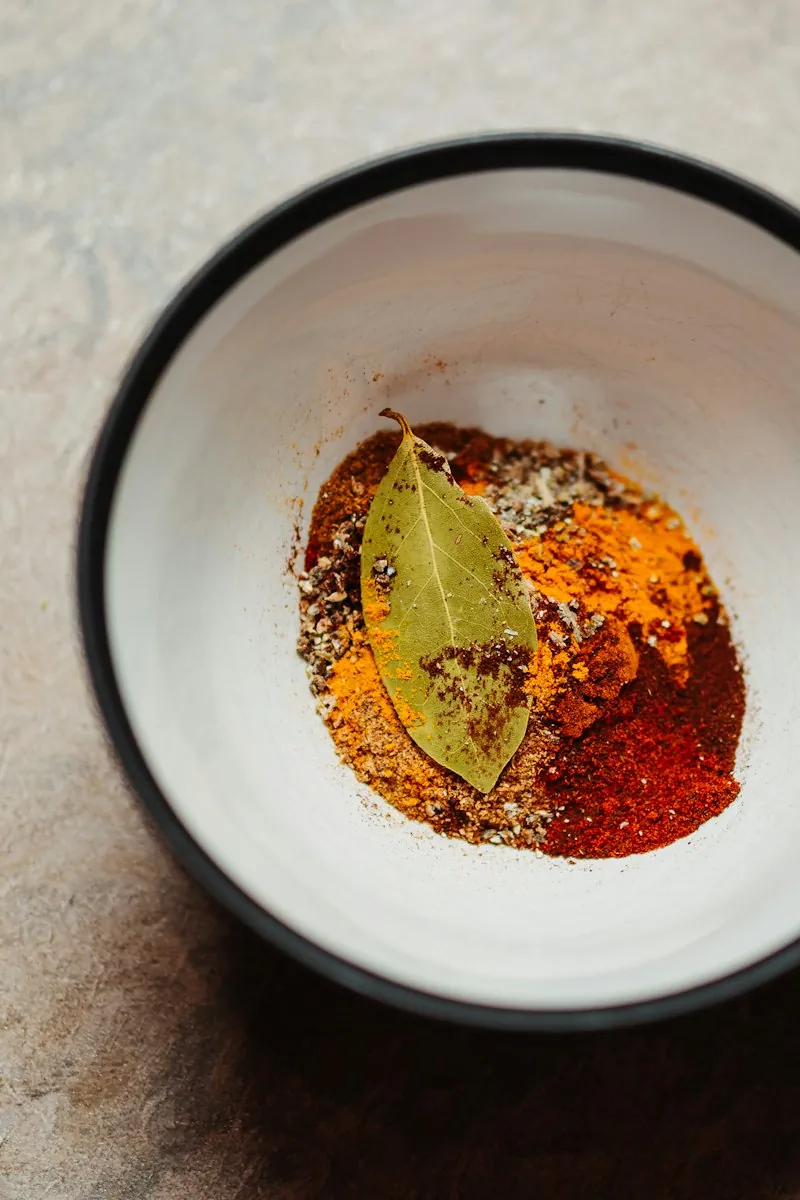
Maggi cubes are small wrapped seasoning cubes that Nigerian cooks crumble or dissolve into stews, soups, rice and beans to season the pot. In many kitchens, Maggi is the everyday word for a seasoning cube.
Coming soonComing in the next few months
We are getting Maggi Cubes ready for Afri Foods Basket. Leave your email and we'll send one message the day it lands.
No spam. One email per launch. Unsubscribe any time.
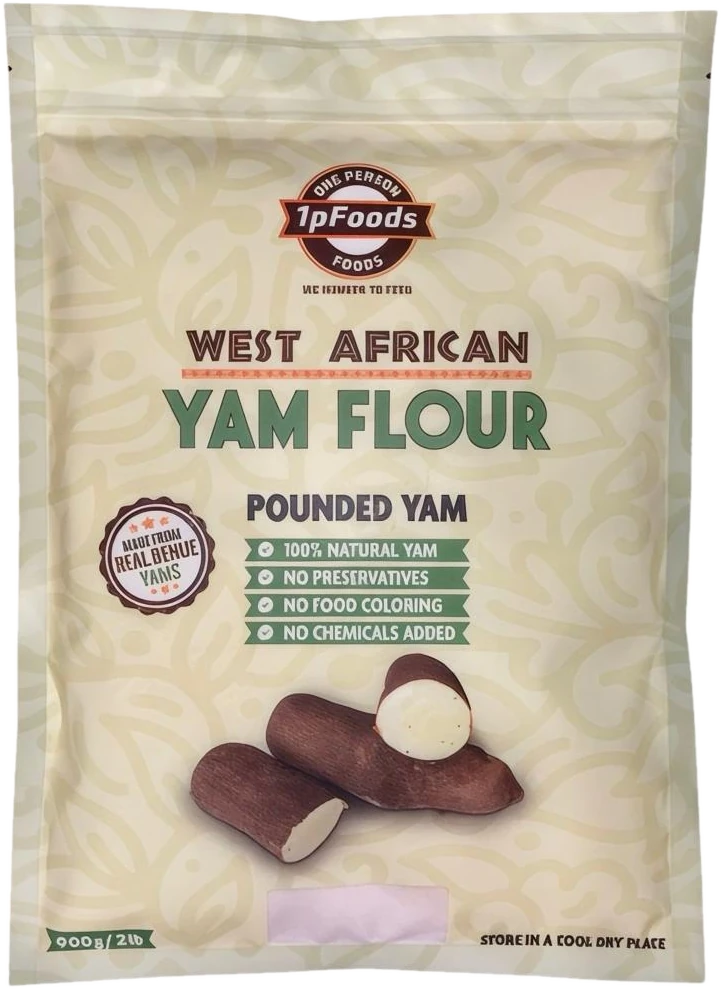
Make the swallow todayPounded yam flour is in stock and ships in 24–48 hours.
Coming soon 
What a Nigerian cook means by Maggi
Ask for Maggi in a Nigerian kitchen and you may be handed any brand of seasoning cube. The name has become the everyday word for the thing itself, the way some Americans say Kleenex for any tissue. Strictly speaking, Maggi is a brand. Nestlé's own history of it says Julius Maggi founded it in the 1880s to help busy families cook at home, that bouillon cubes were part of the range from early on, and that Nestlé acquired the brand in 1947. Rival cubes exist too, and Nigerian recipe writers often write "Maggi or Knorr" as though either will do. This page covers the Maggi-brand cube and the wider habit of cooking with cubes.
The Maggi range Nigerian cooks will recognize
Nestlé's Nigerian website lists Maggi Star in single and double cubes, a double chicken cube, a chicken tablet, a shrimp product, Signature Jollof, Mixpy and soya chunks. A separate Nestlé announcement describes Maggi Naija Pot, a cube built around smoked fish, stockfish and crayfish and meant to add a smoky, fish-forward depth to a pot. Which of these reaches a US shelf depends on the importer, and names and pack sizes differ from one market to another. Match the name printed on the pack to what your recipe asks for instead of assuming all cubes are the same.
How many cubes go in which pot
There is no universal number, but home recipes cluster in a narrow range. Here is what published Nigerian home recipes actually do.
| Dish and stage | Where the cube goes | Amount in Nigerian home recipes |
|---|---|---|
| Chicken stew, boiling the chicken | Into the water with onion, curry and thyme | 2 cubes |
| Chicken stew, the sauce | Crushed into the fried pepper base | 2 more cubes |
| Party jollof, about 4 cups of raw rice | Into the fried base before the stock | 2 to 3 cubes |
Treat those as starting points, not directions for any one pack. Cubes differ in size and saltiness between brands and varieties, so the printed directions come first.
Crumble, dissolve or drop in whole
Cooks use three methods, and each solves a different problem.
- Crumble into the pot. In stews and jollof the cubes usually go into the pepper and tomato base while it fries, which gives them fifteen or twenty minutes to melt into the sauce.
- Dissolve in hot stock. Do this for rice. Once the rice is in, you cannot fix the seasoning, so the liquid has to taste right first.
- Drop in whole. When boiling chicken, beef or goat, a cube in the water seasons the meat and the stock together, and that stock later goes into the stew.
Where a cube works hardest: soup stock
In pepper soup the cube does the plain savory work, which leaves the spices free to be aromatic, and food writers also name okra soup and jollof as dishes where a cube is simply expected. Goat pepper soup recipes boil the meat first, for 45 minutes to an hour, with onion, thyme and a bouillon cube or powder. Only then does the pepper soup spice go in, for roughly twenty more minutes of simmering. One of those recipes warns that too much of the spice mix turns the broth bitter, so the cube is not the only thing to measure.
Why a pot goes salty, and how to catch it early
A cube is rarely the only salty thing in the pot. Ground crayfish, stock, a spoon of salt from the recipe and other seasonings all add up. The fix is sequence. Add the cube early, let it dissolve for several minutes, taste, and only then decide whether salt is needed. If the pot overshoots, adding more unseasoned liquid or more fried base stretches it back into balance. Keep in mind that crayfish is shellfish, which matters to anyone cooking for a guest with that allergy.
Reading a cube label in a US kitchen
US labels follow FDA rules that are worth knowing. The major allergens, which include soy, wheat, fish, crustacean shellfish and sesame, must be named in plain terms, either in the ingredient list or in a separate Contains line. If a product has monosodium glutamate added, the label has to list it by that name. The Nutrition Facts panel shows sodium for a stated serving, so compare the serving size against the amount you actually put in the pot. Ingredients and allergens vary by market and pack, so read the label on the cube you buy, not the one you remember.
Keeping cubes dry
Moisture is what turns a firm cube into a sticky one. Extension guidance from Texas A&M AgriLife for dried seasonings is to keep them tightly covered and away from the stove, dishwasher, microwave and sinks. Cubes are not covered by it, so follow the best-before date and storage note on the pack, and leave the wrapper on each cube until it goes in the pot.
Running out: what to use instead
Another brand's cube is the closest swap, and Onga seasoning comes as both cubes and powder. A sachet of seasoning powder such as Kitchen Glory does the same job by the spoonful. For a different kind of savory depth, ground crayfish goes into pepper soup and stews. When you swap, cut back and re-taste, because the new product will not be calibrated like the old one. The wider spices and seasoning category has the rest.
Maggi cubes at Afri Foods Basket
Maggi cubes are not for sale yet. Press the Notify me button on this page, leave your email, and you will hear when they are added. The pot you season with cubes is usually a soup or stew, and the soft side for it, pounded yam flour, is in stock now. Maggi and the other brand names here belong to their owners.
Goes well in
Jollof riceNigerian tomato and pepper stewEgusi soupPepper soupFried riceBeans (ewa)
Questions
Maggi Cubes FAQ
Still have a question?
Real people, happy to help.
Chat on WhatsApp (734) 219-0258 hello@afrifoodsbasket.com Browse all FAQsMaggi cubes are seasoning cubes, similar in type to bouillon cubes, that Nigerian cooks add to pots to season them. Maggi is a brand name, and in many Nigerian kitchens it has become the everyday word for a seasoning cube. Check the pack for the ingredients and directions.
Crumble a cube into the hot oil or stew base, or dissolve it in a little hot water or stock, and add it early so it blends as the pot simmers. Start with a small amount, taste after it dissolves, and adjust. Check the pack for directions.
Keep them in an airtight container or the original pack, somewhere cool and dry, away from steam and the stovetop. Keep the wrappers on until use, reseal the pack after each opening, and follow the best-before date printed on it.
Maggi cubes are coming to Afri Foods Basket in the next few months. They are not for sale yet, but you can press Notify me on this page and we will let you know when they are added. Our pounded yam flour is available now for your soups.
No. Maggi, Knorr and Onga are separate brands, and Nigerian recipes often treat them as interchangeable because each is a seasoning cube for the pot. They differ in size, saltiness and flavor, so swap one for one only as a first guess. Dissolve it, taste the pot, and adjust before adding any extra salt.
Nigerian home recipes use two to three cubes for a pot with about four cups of raw rice, dissolved into the stock or fried into the tomato base. Cubes differ between brands and varieties, so the directions on your pack come first. Taste the liquid before the rice goes in, because you cannot fix it afterward.
A cube is a seasoning, and seasoning cubes typically contain salt, so it partly stands in for the salt rather than adding on top of it. Start by adding the cube alone, let it dissolve for several minutes, then taste. Add plain salt only if the pot still needs it. Check the Nutrition Facts panel for the sodium in each serving.
It depends on the variety and the market, so read the label on the pack you buy. In the US, added monosodium glutamate must be listed by that name, and major allergens such as soy, wheat, fish, crustacean shellfish and sesame must be named in plain terms. Different flavors of cube can have different ingredient lists.
More coming soon
Coming soon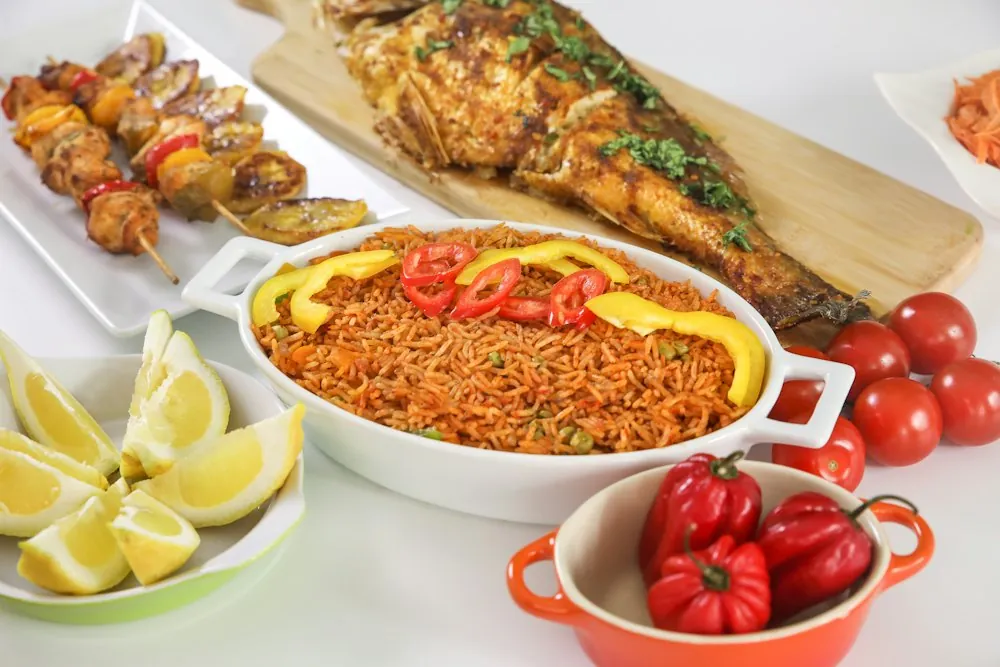 Coming soon
 Coming soon
 Coming soon