
 Coming soon
Coming soon · Coming in the next few months
Gino Curry Powder
For fried rice, stews and meat.
Gino Curry Powder is a branded curry powder that Nigerian cooks reach for when seasoning fried rice, stews and meat. Curry powder is a blend of ground spices, so the exact mix comes from the maker. It is coming soon to Afri Foods Basket.
Coming soonComing in the next few months
We are getting Gino Curry Powder ready for Afri Foods Basket. Leave your email and we'll send one message the day it lands.
No spam. One email per launch. Unsubscribe any time.
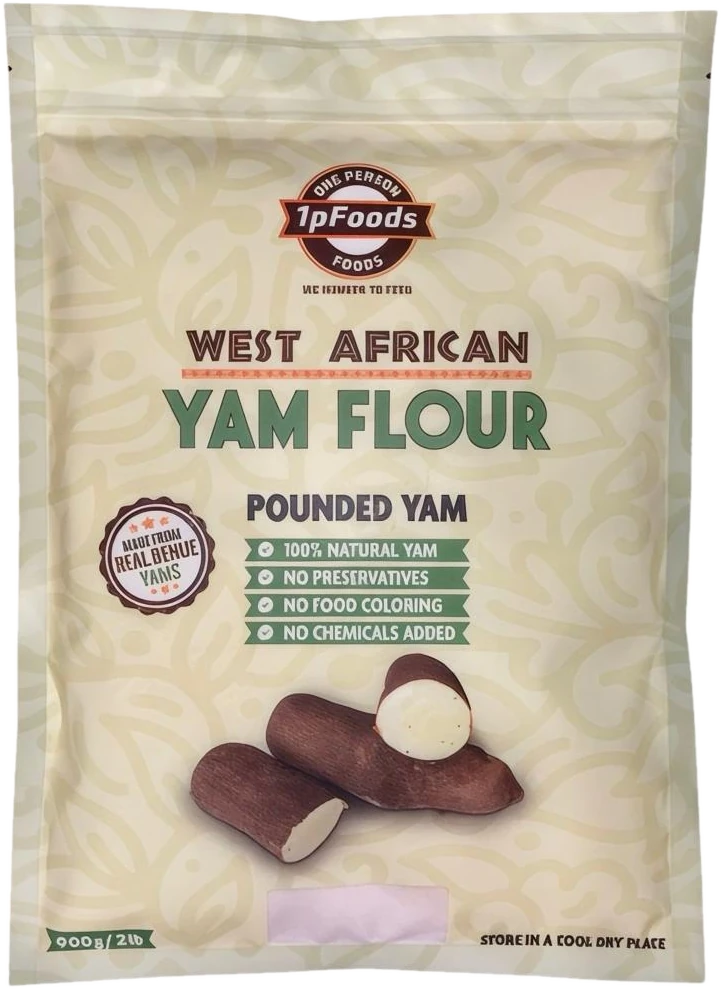
Make the swallow todayPounded yam flour is in stock and ships in 24–48 hours.
Coming soon 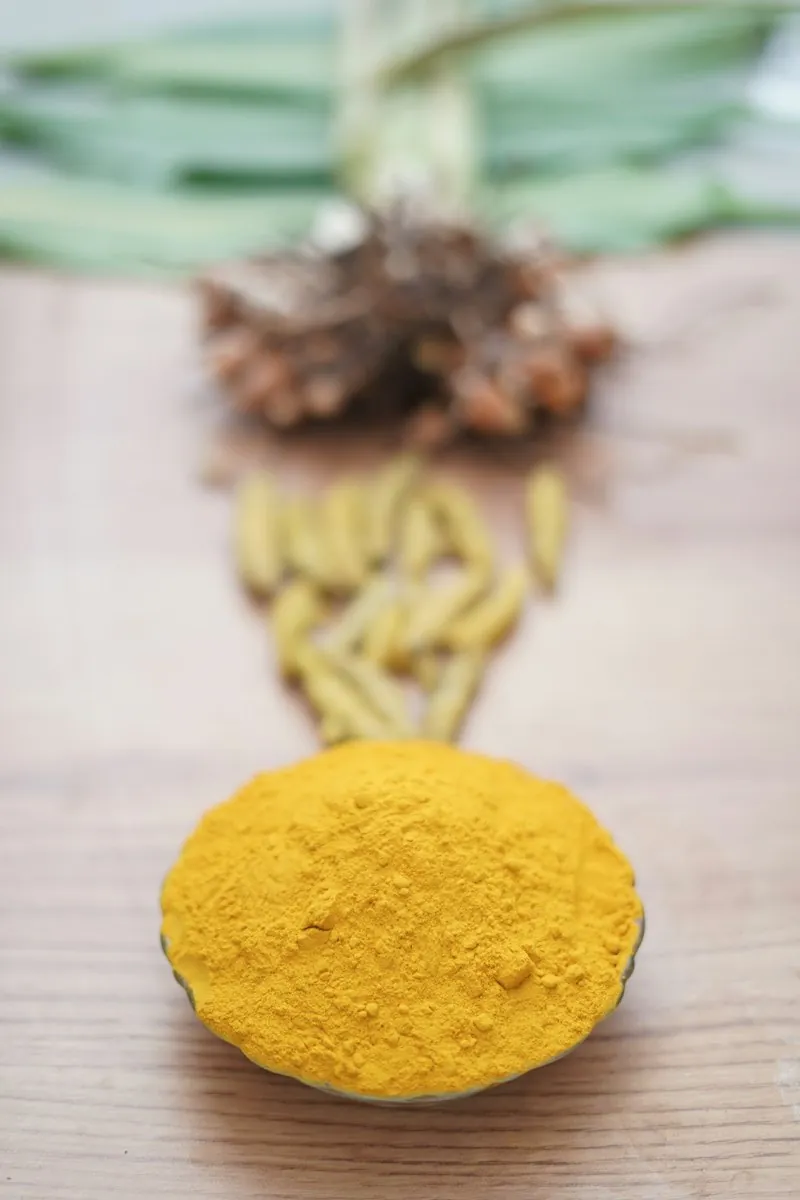
Curry powder is a British convenience that Nigerian cooks made their own
Curry powder is not a spice but a blend, and it did not come from a traditional Indian kitchen. Food writers describe it as a British shortcut for approximating the flavors of South Asian cooking, with the first commercial version sold in London in 1784. Cooks in Britain and its colonies then used a single jar in place of several freshly ground spices. Nigerian kitchens adopted the jar and gave it a role of their own. In Nigerian recipes curry powder is rarely the star. It sits in the background, usually next to dried thyme, in the pot that boils the meat, in the stew base and in rice.
What is in the jar
There is no standard formula. Typical curry powders combine turmeric, which supplies the yellow color, with spices such as coriander, cumin, ginger, black pepper and chili, and the mix changes from brand to brand. A Nigerian retailer's listing for Gino Curry Powder names turmeric, sweet basil and cardamom and describes spices gathered from several regions, but that is marketing copy and not a full ingredient list. The pack is where the complete list lives, along with any salt or chili. If you are cooking for someone who avoids a particular ingredient, that list is the only thing worth trusting.
The three places curry powder enters a Nigerian pot
- The boiling water. Nigerian chicken and beef are usually seasoned and boiled before anything else. One chicken stew recipe puts a tablespoon of curry powder and a teaspoon of thyme into that stage, along with onion, stock cubes and salt. A beef stew recipe also puts curry powder into the seasoning for its meat.
- The stew base. The same beef stew adds curry powder a second time, together with thyme and bouillon, once the reserved stock goes back into the fried pepper base. Seasoning in two passes tends to build more depth than one large dose.
- The rice pot. A party jollof recipe for about four cups of raw rice uses a teaspoon each of curry powder, thyme and white pepper, which shows how small the amount can be in a big pot.
Curry plus thyme: the Nigerian pairing
Read enough Nigerian recipes and one habit stands out. Curry powder and dried thyme are named together almost every time, sometimes on one line as if they were a single ingredient. Rosemary and bay leaf join in some stews. Think of the pairing as a base layer, then add stock cubes, ginger, garlic and pepper on top of it. If you are short on either one, the boiling stage is a sensible place to spend it, since that seasoned stock goes on to flavor the stew.
Wake the spice up without scorching it
Curry powder needs warmth and moisture to release its aroma, so it should meet oil or liquid soon after it leaves the jar. Ground spices are fine and burn quickly in a hot dry pan, and burned spice turns bitter. Two safe approaches work. Stir it into warm, not smoking, oil with the onions for a few seconds before the base goes in, or mix it into the stock or marinade so it disperses evenly. Whichever you choose, start with a small spoonful and taste the pot a few minutes later, since strengths differ between jars. With a new jar, warm a pinch in a spoonful of oil and smell it first. A jar that smells flat will need a bigger spoon, and a pungent one needs less. If your usual jar comes from a US supermarket, expect a different balance from one made for West African cooking and adjust accordingly.
Curry powder, curry leaves and curry sauce are different things
The names collide. Curry powder is the ground blend in the jar. Curry leaves are a separate herb, and one Nigerian chicken stew fries them with the onions at the start, which has nothing to do with the powder. Food Network's description of curry powder, for one, does not list curry leaves among its usual ingredients. A curry sauce, meanwhile, is a finished dish. When a recipe says curry, check which of the three it means before you reach for the jar.
Choosing a jar and keeping it fresh
Store-bought curry powder can sit on shelves for a long time, so freshness matters more than the price. When you open the jar, the smell should be warm and spicy, and the color should look lively, not dull or dusty. Texas A&M AgriLife Extension puts ground spices at two to four years of best quality and blends at one to three, with aroma, flavor and color as the tests of whether a jar is still doing its job. Keep the lid tight and the jar away from heat. Spoon the powder out instead of shaking it over a steaming pot, because steam gets into the jar and causes clumps. Check the best-before date and the label for salt, chili and allergens.
Where it fits with the rest of the seasoning shelf
Curry powder rarely works alone. It teams with chicken spice on poultry, with ginger garlic paste in the marinade, and with Maggi cubes or another stock cube in the pot. A small pinch can also go into the base for Gino Party Jollof, though the mix may already carry seasoning of its own, so taste first. The whole spices and seasoning range shows how these pieces connect.
Gino Curry Powder at Afri Foods Basket
Gino Curry Powder is not available yet. Add your email to the Notify me form on this page to hear when it is added. Ingredient lists differ from one maker and market to the next, so the jar or sachet in your hand is the reference, and Gino is the property of its owner, as are the other brands named on this page.
Goes well in
Nigerian fried riceChicken stewBeef and vegetable stewMeat pie fillingCurry chicken with riceJollof rice (a small pinch in the base)
Questions
Gino Curry Powder FAQ
Still have a question?
Real people, happy to help.
Chat on WhatsApp (734) 219-0258 hello@afrifoodbasket.com Browse all FAQsIt is a branded curry powder, which means a blend of ground spices sold ready to use. In Nigerian kitchens it seasons fried rice, stews and meat. Gino is a brand name, so the exact mix of spices is the maker's; check the pack for the ingredient list.
Start small, since curry powders differ in strength and heat. A modest spoonful goes a long way in a pot of rice or stew. Stir it into warm oil or stock, taste after a few minutes of cooking, then add more if you want a stronger flavor.
Keep it in its closed pack or an airtight jar in a cool, dry, dark cupboard away from the stove. Use a dry spoon so moisture does not get in and cause clumps. Follow any storage directions on the pack, and check the best-before date.
It is coming to Afri Foods Basket in the next few months. There is no price or date yet. Press Notify me on this page and we will let you know as soon as it is ready to order. We ship across the continental United States.
No. Curry powder is a ground spice blend, usually built on turmeric with other spices. Curry leaves are a separate herb, and some Nigerian recipes fry them with onions at the start of a stew. If a recipe says curry, check whether it means the powder or the leaves, because the two behave very differently in a pot and are not interchangeable.
Nigerian recipes name the two together almost every time, usually in the boiling water for the meat, again in the stew base, and in the rice pot. The origin of the habit is not documented, so treat it as a regional custom. A small spoon of each is a common starting point for a family-size pot.
Either works, and the aim is the same: let the powder meet oil or liquid soon so it spreads and releases its aroma. Stir it into warm, not smoking, oil with the onions for a few seconds, or mix it into stock or a marinade. Ground spices burn quickly in a hot dry pan, and scorched spice tastes bitter.
Do not assume so. Curry powder has no single standard formula, and the spice mix changes with the brand and the market it was made for. Some jars include salt or chili and others do not. If you swap one jar for another in a recipe, begin with a smaller spoon than usual, taste the pot after a few minutes, and read the ingredient list.
More coming soon
Coming soon Coming soon
 Coming soon
 Coming soon