
 Coming soon
Coming soon · Coming in the next few months
Kitchen Glory
Rich seasoning for rice and sauces.
Kitchen Glory is a seasoning brand that Nigerian cooks use to add savory depth to rice dishes and sauces. Read the pack for the format, ingredients and how much to use per pot. It is coming soon to Afri Foods Basket.
Coming soonComing in the next few months
We are getting Kitchen Glory ready for Afri Foods Basket. Leave your email and we'll send one message the day it lands.
No spam. One email per launch. Unsubscribe any time.
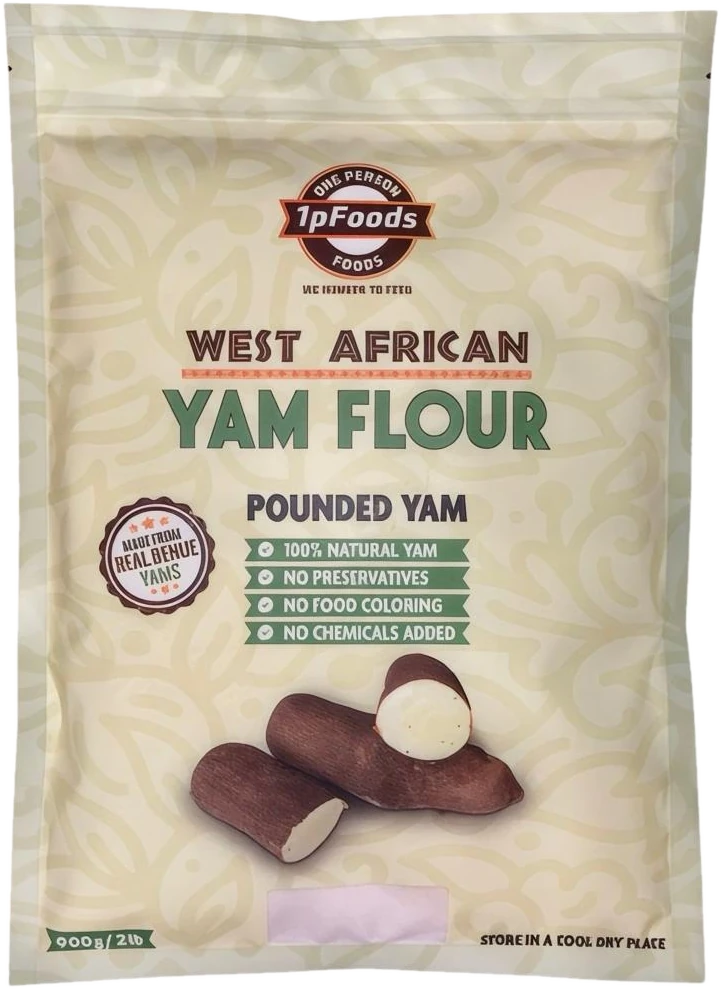
Make the swallow todayPounded yam flour is in stock and ships in 24–48 hours.
Coming soon 
What to know about Kitchen Glory before it is listed
Kitchen Glory is a seasoning brand sold in Nigeria and through African grocers abroad. Retail listings describe a seasoning powder packed in 10 gram sachets, often sold as a roll of ten, with larger 100 gram packs also listed. The flavor names that appear are chicken, beef, fish and a mixed seasoning. This page covers what kind of product that is and how cooks use powders like it, and it shows how to find out the rest from the pack in your hand. It does not state a maker, an origin, an ingredient list or a strength, and retail listings are silent or inconsistent about who makes it and where. The full ingredient list and allergens will be shown on this page when the product is listed, and until then the label on the pack is the authority.
Why a seasoning comes in a ten-gram sachet
Sachets are a common way to sell seasoning in Nigerian markets, as the listings show, and a powder is an established format alongside the cube. Nigerian business coverage says Onga launched as a powder before its cubes appeared, which shows how long the format has been around. A sachet suits two kinds of cook. One is the person who wants to season a single pot without opening a big tin. The other is the cook trying a new flavor, because one sachet commits you to one pot, not to a large pack that sits in the cupboard. If you are shopping for a household that cooks several times a week, a bigger pack is the sensible follow-up once you like the result.
Chicken, beef, fish or mixed: choosing the flavor by the dish
The listings describe the chicken and mixed varieties as suited to chicken, stews and jollof rice, and the beef variety as suited to stews, soups and jollof. The listings give no description beyond the name for the fish variety, so its likely use is fish dishes, but check the pack. The practical rule is simple. Choose the flavor that matches the main protein, and if the pot has several, choose the mixed one. A flavor name tells you what taste the maker intended, not which ingredients are inside, so the ingredient list is still the thing to read. If you are unsure, buy the variety that matches the dish you cook most often and leave the rest for later.
Finding the right amount of a powder you have never used
Every seasoning has its own strength, and the label's directions are your first guide. Beyond that, a small test saves a ruined pot.
- Stir a measured portion of a sachet into half a cup of hot stock or water until it dissolves.
- Taste it, then compare it with the seasoning you normally use.
- If it is milder than your usual product, scale up gradually. If it is stronger, use less next time.
- Write the amount on the pack or in your phone, so the next pot is repeatable.
This matters most with rice. Once rice is in the pot you cannot correct the liquid, so test the stock before the grains go in.
Stacking seasonings without overshooting the salt
Nigerian recipes often call for a seasoning and then add more. The word seasoning alone is slippery: a recipe may mean a cube, a powder or a chicken seasoning blend, and one stew recipe says to use your preferred seasoning. Count each salty item in the pot. A powder, a stock cube, ground crayfish, a spoon of salt and a savory paste all contribute. A good way to keep control is to swap, not add: if Kitchen Glory is your savory layer, hold back the cube. Keep the aromatics separate. Ginger garlic paste and curry powder give flavor in different ways and do not replace the salty layer, so you can use them freely and taste as you go.
If you already cook with Maggi cubes or Onga, treat Kitchen Glory as the same job done by a different product, and do not double up on the first pass. A chicken spice blend is a different job again, aimed at the bird itself. Whichever combination you pick, serve the finished stew or soup beside pounded yam, which is eaten plain, so the pot carries all the flavor.
Reading a sachet label in a US kitchen
Different markets and packs can have different ingredients and allergens, so treat your sachet's label as the authority. A sachet label is crowded, so look for three things: the ingredient list, any Contains statement, and the directions. US law requires the major allergens to be declared, and added monosodium glutamate has to appear by name. The sodium figure is per serving, and with a powder that serving is often a small spoonful, so compare it with how much you really use before you judge it.
Keeping an opened sachet
An opened sachet is the weak point, because a torn corner lets in damp air. Fold the top over and clip it, or tip the contents into a small dry jar, and use a dry spoon every time. Texas A&M AgriLife Extension gives seasoning blends about one to three years of best quality and says to keep them covered and out of light and heat. A powder that has clumped hard, smells stale or has changed color is past its best, and a date on the pack is a better guide than memory.
Kitchen Glory at Afri Foods Basket
Kitchen Glory is not for sale yet, and the Notify me form on this page is how to hear when that changes. The rest of the shelf lives in the spices and seasoning category. As with every brand name on this site, Kitchen Glory belongs to its owner.
Goes well in
Jollof riceNigerian fried riceCoconut riceTomato and pepper stewEgg sauceRice and stew
Questions
Kitchen Glory FAQ
Still have a question?
Real people, happy to help.
Chat on WhatsApp (734) 219-0258 hello@afrifoodsbasket.com Browse all FAQsKitchen Glory is a brand of seasoning listed for rice dishes and sauces. Seasonings like this add savory depth to a pot without a long ingredient shopping list. Because it is a brand, check the pack for the exact format, ingredients and instructions.
Follow the amount printed on the pack. For rice, add it to the stock before the rice goes in. For sauces, stir it into the base while it cooks. Taste before adding more salt, since many seasonings already contain some, and adjust to suit your family.
Store it in a cool, dry cupboard with the pack tightly closed and away from the stove's steam. Use a dry spoon, and if the pack does not reseal, move it to an airtight container. Follow any storage directions on the pack.
It is coming to Afri Foods Basket in the next few months. There is no price or date yet. Press Notify me on this page and we will let you know as soon as it is ready to order. We ship across the continental United States.
This page does not name a maker, because retail listings are either silent on it or inconsistent with each other. The full ingredient list and allergens will be shown on this page when the product is listed. Until then, the maker's name and address should be printed on the pack, and that printed label is the most reliable place to check for the exact product you are holding.
Retail listings show chicken, beef, fish and mixed varieties. A sensible rule is to match the flavor to the main protein in your pot, and to choose the mixed one if you cook several things. The flavor name describes the taste the maker intended, not a guaranteed ingredient, so read the ingredient list too.
Retail listings describe a seasoning powder, sold in 10 gram sachets and in larger packs, not a cube. Because formats and pack sizes can change between markets, the label on your pack is the final word. A powder is measured by the spoon or the sachet, which makes it easy to season a pot in several small doses.
Follow the directions printed on the pack first. If you want to test, dissolve a measured portion in half a cup of hot stock, taste it, and compare it with the seasoning you usually use. Scale up gradually and write down the amount that worked. Taste the liquid before rice goes into the pot, because rice cannot be corrected afterward.
More coming soon
Coming soon Coming soon
 Coming soon
 Coming soon