
 Coming soon
Coming soon · Coming in the next few months
Ginger Garlic Paste
Ready-blended — no peeling needed.
Ginger garlic paste is ginger and garlic already blended into a smooth paste, so there is no peeling, chopping or grinding before you cook. Cooks use it to season meat, fish, stews and soups. It is coming soon to Afri Foods Basket.
Coming soonComing in the next few months
We are getting Ginger Garlic Paste ready for Afri Foods Basket. Leave your email and we'll send one message the day it lands.
No spam. One email per launch. Unsubscribe any time.
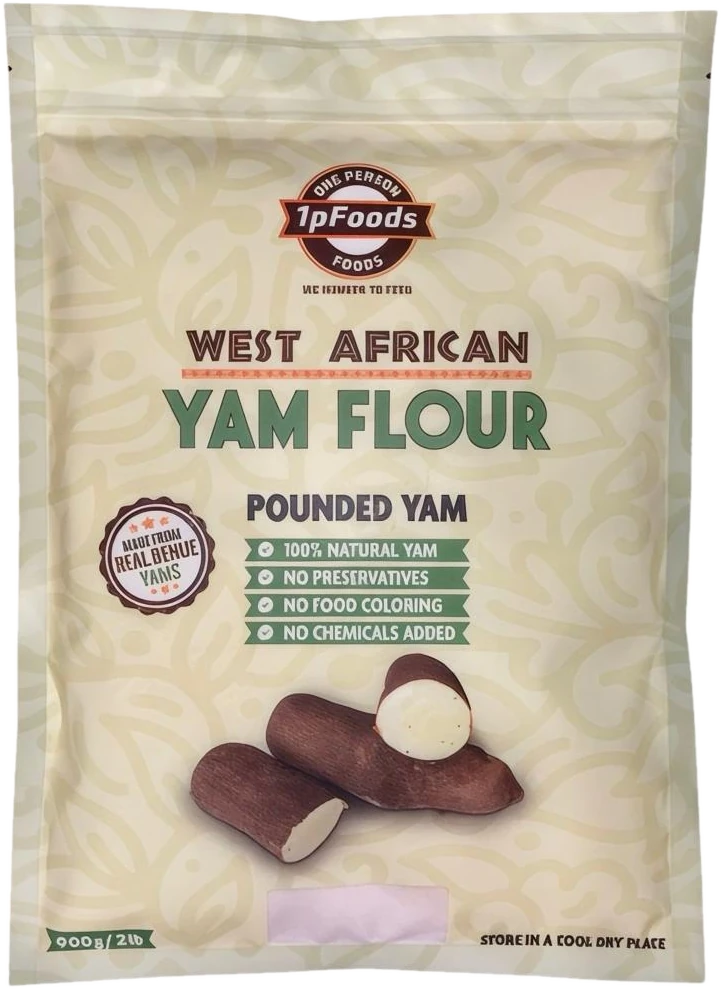
Make the swallow todayPounded yam flour is in stock and ships in 24–48 hours.
Coming soon 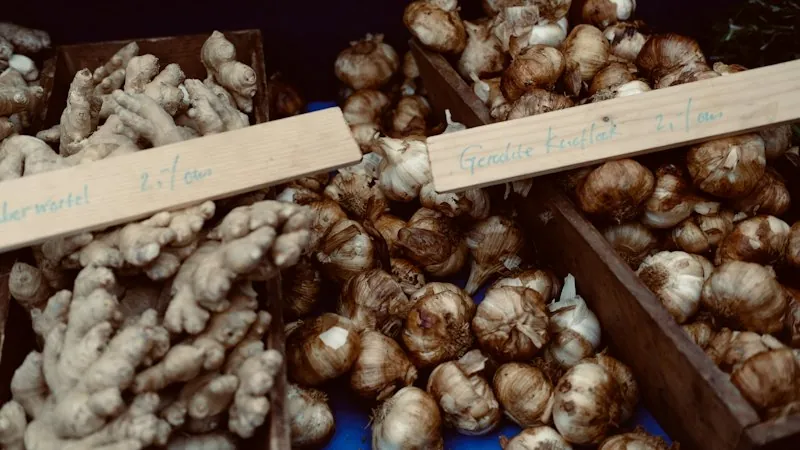
Paste or fresh roots: what really changes in the pot
Cook's Illustrated tested jarred minced garlic, which is related to ginger garlic paste but not the same thing, and the result was blunt. Tasters barely noticed garlic, even in a dish built on a dozen cloves, and some picked up a sour edge that they linked to the acid added as a preservative. Garlic's flavor compounds form when the clove is chopped and fade as it sits. That does not make paste useless. In a Nigerian stew, where onion, tomato and pepper crowd the pot, the gap is likely to be less noticeable than in a garlic mashed potato. Still, expect a gentler garlic note than fresh cloves give, and plan to taste and top up. Where paste wins is consistency and speed: every spoonful has the same mix of ginger and garlic, and nothing needs peeling.
Where ginger and garlic enter a Nigerian pot
Nigerian recipes use them at four different moments.
- In the pepper base. One beef stew blends garlic and ginger with tomato, onion, bell pepper and scotch bonnet, then fries the whole mixture until it thickens.
- In the oil, early. A peppered chicken recipe cooks chopped onion until translucent, then adds garlic until it smells fragrant, before the pepper blend goes in.
- In a blended sauce. The same recipe blends ginger into the peppers and tomatoes that become the sauce.
- Late in the pot. A party jollof recipe stirs minced ginger in near the end, along with butter and white pepper.
Pepper soup uses both as aromatics too, alongside habanero, onion and a pepper soup spice mix. Paste fits any of these moments, though a cook who wants a sharper ginger note in jollof may still prefer a fresh knob at the end.
Swapping paste for fresh: how much
Cook's Illustrated used one teaspoon of jarred minced garlic per fresh clove in its tests and still found it mild, so that is a reasonable starting ratio, but paste contains ginger as well. Begin with a level teaspoon in a marinade for roughly a pound of meat, or in a small pot of boiling water, and add more only after tasting a few minutes later. Jars differ in strength and saltiness, so adjust by taste.
Reading the jar: five things on the label
Ginger garlic paste is not one recipe, and two jars can behave very differently in a pot. A minute with the label tells you which kind you are holding.
| What the label shows | What it means in your kitchen |
|---|---|
| Ginger and garlic listed first | Ingredients are listed from most to least, so the roots are the main part |
| Salt near the top | Go lightly on the salt and seasoning cubes in the first pass |
| Citric or other acid | Helps the jar keep, and may add a slight tang |
| Preservatives | One widely sold jar lists potassium sorbate and sodium benzoate, so compare brands |
| Oil | Check the storage directions closely, as the next section explains |
After you open it: the refrigerator, the freezer and the garlic-in-oil rule
Follow the pack first. Jars commonly say to refrigerate after opening, and one popular listing says the jar can live in the refrigerator or the freezer. Use a clean, dry spoon each time so you do not carry in new bacteria. The stricter rule applies to garlic held in oil. Oregon State University Extension explains that garlic is a low-acid food, that Clostridium botulinum can grow in the oxygen-poor environment of oil, and that commercial garlic-in-oil products are acidified so they can be stored safely at room temperature. Homemade mixtures are not. Extension guidance says to refrigerate them and use them within four days, or freeze them, and the National Center for Home Food Preservation gives the same four-day limit and describes freezing in containers with half an inch of headspace.
Marinating with paste: how long and how safely
Home recipes refrigerate seasoned chicken for two hours at the shortest, and some leave it overnight. Paste is usually salty, so go lighter on added salt and cubes if the marinade will sit for hours. Keep the container covered and on a low shelf so raw juices cannot drip onto other food. The salt and acid in a paste do not make raw meat safe to leave on the counter, and a marinade that touched raw meat should not be brushed onto cooked food.
Making your own, and why it lasts days, not weeks
Home paste is simple: peel the ginger and garlic, chop them, and blend with a splash of water or oil. Treat it as a perishable item. Extension guidance addresses garlic in oil, with a four-day refrigerator limit, and it is not documented what limit applies to a water-only paste. The conservative approach is to apply the same four days, or freeze small portions the day you make it. Extension guidance for similar mixtures mentions freezing pesto in ice cube trays, then moving the frozen cubes to a freezer container. Never leave a jar of homemade paste on the counter.
Where paste earns its keep
The biggest wins are the marinades and boiling pots, where fresh peeling would otherwise slow you down. Pair it with chicken spice for poultry, or with an all-purpose blend such as Arsok spice, which is described as suited to soups and grills. In pepper soup, garlic and ginger work underneath herbs such as uziza leaf and the spice mix. Plenty of Nigerian soups are eaten with a swallow, and you can order pounded yam flour today. The spices and seasoning category holds the rest of the shelf.
Ginger garlic paste at Afri Foods Basket
Ginger garlic paste is not for sale yet. Leave your email in the Notify me form on this page to hear when it is added. Ingredients differ by maker, so read the label on whichever jar you buy.
Goes well in
Chicken stewPepper soupJollof riceNigerian fried riceGrilled or fried fishPeppered goat meat
Questions
Ginger Garlic Paste FAQ
Still have a question?
Real people, happy to help.
Chat on WhatsApp (734) 219-0258 hello@afrifoodsbasket.com Browse all FAQsIt is fresh ginger and garlic blended into a smooth paste, sold ready to use so that you skip the peeling, chopping and grinding. Cooks spoon it into marinades, stews and soups. Some pastes also contain salt, oil or other ingredients, so check the pack.
Mix a spoonful into a marinade for chicken, meat or fish, or stir it into hot oil with onions at the start of a stew or a pot of rice. Start with a small amount, since the flavor is strong, and taste the pot after a few minutes of cooking.
Follow the directions on the pack, because pastes differ. Many are kept in the refrigerator once opened. Use a clean, dry spoon each time, keep the lid tightly closed, and do not leave the container out on a warm counter while you cook.
It is coming to Afri Foods Basket in the next few months. There is no price or date yet. Press Notify me on this page and we will let you know as soon as it is ready to order. We ship across the continental United States.
It is faster and more consistent, but usually milder. Cook's Illustrated found jarred minced garlic far weaker than fresh cloves, and some tasters noticed a sour edge from the added acid. In a stew with onion, tomato and pepper the difference is easier to hide. Taste the pot and add a little more paste, or a fresh clove or knob of ginger, if it needs it.
No. Garlic is a low-acid food, and in oil it can support the growth of the bacteria that cause botulism. Extension guidance says homemade garlic-in-oil mixtures must be refrigerated and used within four days, or frozen for longer storage. Commercial products are acidified, which is a different situation. Never leave a homemade mixture out on the counter.
There is no official conversion. In its tests, Cook's Illustrated swapped one teaspoon of jarred minced garlic for each fresh clove and still found the flavor mild. A ginger garlic paste also contains ginger, so begin with a level teaspoon in a small pot or a pound of meat, taste a few minutes later, and add more. Some jars print their own guidance.
Some do, and the only way to know is the label. One widely sold jar lists ginger, garlic, salt, citric acid, potassium sorbate, sodium benzoate and xanthan gum, while others may use oil or fewer additions. Ingredients are listed from the largest amount to the smallest, so check where salt appears before you add more to your pot.
More coming soon
Coming soon Coming soon
 Coming soon
 Coming soon