Quick answer
Yam flour is true yam, not sweet potato, dried and milled to a powder. West African cooks use two kinds: pounded yam flour, made from peeled, parboiled, dried and sifted white yam, which cooks into smooth iyan in about 2 minutes, and elubo, a darker flour that cooks into amala. A good bag lists yam as its only ingredient.
Ask for it by that name in a market in Ibadan and you'll most likely be handed elubo, the flour for amala. Ask in a US grocery aisle and you could leave with instant pounded yam, a blend that also contains cassava, or a bag of sweet potato flour. Same two words, several different products.
The mix-up matters because they don't cook the same. One gives you the pale, stretchy swallow most people picture when they say pounded yam. The other gives you amala, which is brown, softer and earthier. Pick up the wrong bag and dinner becomes a different meal.
Here is the plain version, from how a tuber becomes a fine powder to what to read on the label. We make and sell one of these products, and we'll flag where that colors what we say.
Key takeaways
- "Yam" here means true yam, a starchy tuber from a different plant family than the sweet potato.
- Iyan flour is made by peeling, parboiling, drying, milling and sifting white yam, and it cooks into pounded yam.
- Elubo is a separate dried-yam product with a darker color. It cooks into amala, not pounded yam.
- The word "poundo" on a pack doesn't tell you what's inside. Only the ingredient list does.
- Moisture is the main enemy in storage: keep the bag sealed, cool and dry, and go by its printed best-before date.
What exactly is yam flour?
It's yam that has been dried and ground so it keeps far longer than a fresh tuber and cooks in minutes. With a whole yam you peel, boil and then pound for a long time. With the flour, most of that work happened before the bag was sealed.
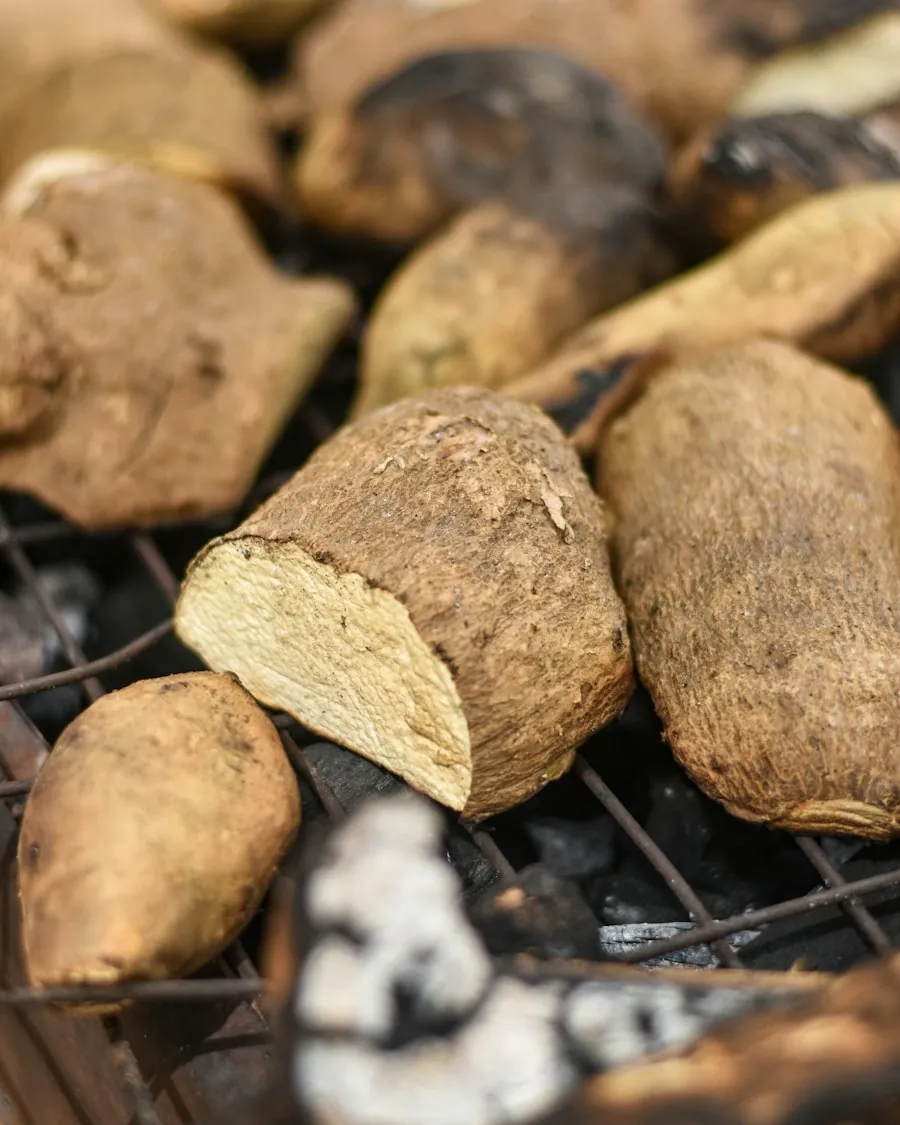
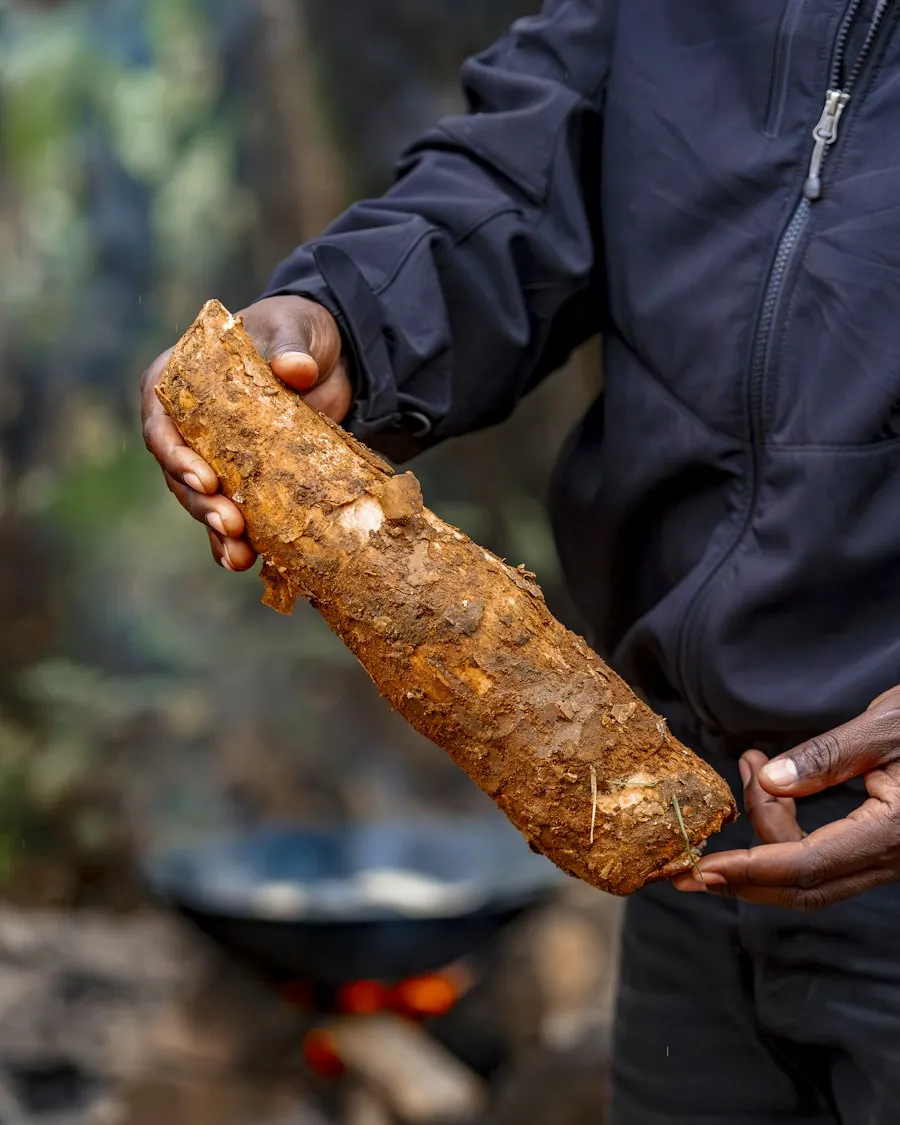
True yam is the starchy underground tuber of plants in the genus Dioscorea. White yam (Dioscorea rotundata) is the West African type most used for pounded yam. It has thick, rough, bark-like skin and dense white flesh.
Nigeria grows yam across a broad band of the country often called the yam belt, and Benue State is so closely tied to farming that it's widely known as the food basket of the nation. That's where the yams for our flour are grown.
In Nigerian and wider West African cooking, the flour is almost always eaten as a swallow: a soft, dough-like mound you pinch off with your fingers, shape into a small ball and dip into soup. It isn't a baking flour, and it won't behave like wheat.
Is yam the same as sweet potato?
No. Yams and sweet potatoes are different plants that happen to share a nickname in the United States. Many American supermarkets label orange sweet potatoes as "yams", which is why some new shoppers expect this flour to taste sweet. It doesn't.
| Feature | True yam (white yam) | Sweet potato |
|---|---|---|
| Plant | Dioscorea, the yam family | Ipomoea batatas, the morning glory family |
| Skin | Thick, rough, brown and bark-like | Thin and smooth, copper, red or purple |
| Flesh | White to cream, dense, dry and starchy | Orange, white or purple, moist |
| Taste | Mild and neutral, faintly earthy | Clearly sweet |
| Where US shoppers find it | African, Caribbean and international grocers | Almost every supermarket, often sold as "yams" |
| Made into a swallow | Yes: pounded yam and amala | Not a traditional West African swallow |
Raw yam is mostly starch and water. USDA FoodData Central lists about 118 kcal, 27.9 g of carbohydrate, 4.1 g of fiber and 1.5 g of protein in 100 g of raw yam. Drying takes out most of the water, so the powder is far denser per gram than the tuber. For figures on the flour itself, read the Nutrition Facts panel on the pack in your hands.
How is white yam turned into flour?
It takes five plain steps: peel, parboil, dry, mill and sift. Each one shapes the texture you'll get in the pot later.
- Peel: The bark-like skin comes off completely. Skin that slips through shows up as dark specks in the finished swallow.
- Parboil: The peeled yam is part-cooked in hot water. Cooking the starch at this stage is a large part of why the powder comes together in a couple of minutes on your stove.
- Dry: The pieces are dried until hard. Thorough drying is what lets the product keep, because moisture left behind leads to clumps and spoilage.
- Mill: The dried yam is ground fine. A fine grind hydrates evenly when it meets hot water.
- Sift: Sifting removes coarse bits, so the swallow turns out smooth instead of gritty or lumpy.
That's how ours is made: Benue yams grown in Benue State, Nigeria, peeled, parboiled, dried, milled fine and sifted. The only ingredient is yam. There's no cassava, no potato starch, no preservatives and no artificial coloring.
Our interest: Afri Foods Basket sells pounded yam flour, so we have a stake in which bag you choose. We describe our own process here. We haven't tested other brands, so we make no claims about them. Use the label checks further down on any pack, including ours.
Pounded yam flour or elubo: which one do you need?
If you want iyan, the white pounded yam served with egusi or efo riro, buy iyan flour. If you want amala, buy elubo. Both start as yam, but they're processed differently and cook into different swallows.
| Point | Iyan (pounded yam) flour | Elubo (amala flour) |
|---|---|---|
| Other names | Instant pounded yam, pounded yam powder, sometimes "poundo" | Amala flour, and often simply "yam flour" in Nigeria |
| Dry color | White to cream | Light brown to gray-brown |
| How it's made | Peeled, parboiled yam, dried, milled fine and sifted | Yam pieces dried until they darken, then milled |
| Cooked dish | Pounded yam (iyan) | Amala |
| Cooked look and feel | White, smooth, stretchy, holds a shape | Brown, soft and smooth |
| Flavor | Mild, clean yam | Earthier and deeper |
| Classic partners | Egusi, efo riro, okra, ogbono | Ewedu and gbegiri with stew, the plate many call abula |
One more wrinkle: elubo isn't always yam. Amala flours are also made from cassava (often called lafun) and from unripe plantain. So even inside the amala aisle, read the label. Our side-by-side on poundo, pounded yam and elubo goes further into how the three differ in the pot.
What should good flour look, smell and feel like?
Good iyan flour is fine, dry and free-flowing, pale in color, and smells clean. Once cooked it should turn smooth and slightly stretchy in about 2 minutes without lumps. Run through these checks when you open a new bag.
- Pours freely, with no hard clumps
- Feels fine and even between your fingers
- White to cream, without dark specks
- Smells clean and faintly of yam
- Never musty, sour or damp-smelling
- Cooks smooth in about 2 minutes
- Holds its shape on the plate
- Stays soft while you eat
The cooking test is the real one. Bring water to a boil, using about 1 1/4 to 1 1/2 cups of water for every cup of flour. Lower the heat, add the flour gradually and stir with a wooden spatula. Then press, turn and fold it against the side of the pot for about a minute. If it's too stiff, add a splash of hot water and fold again. Our full method for making pounded yam with flour covers batch sizes and shaping.
Cooking it for the first time? The step-by-step method shows what the dough should look like at each stage.
Read the cooking methodHow long does it keep, and how should you store it?
Kept sealed and dry, a bag is good until the best-before date printed on it. Moisture is what ruins it, so storage is mostly about keeping water and steam away.
- Reseal every time. Press the air out and close the zip fully after each scoop.
- Pick the right pantry. Cool and dry, away from the stove, kettle and sink.
- Use a dry cup. A damp measuring cup leaves wet spots that harden into clumps.
- Open one bag at a time. If you buy several, the unopened ones stay sealed until you need them.
Throw a bag out if it smells musty or sour, has damp clumps that won't crumble, or shows insects or webbing. Our pantry storage guide covers pantry pests and humid kitchens in more detail.
What is it used for?
Mainly one thing: a quick swallow to eat with soup. The flour replaces the long boil-and-pound routine with a few minutes at the stove, which is why so many families in Nigeria and abroad cook it on weeknights.
We work on about 125 g (roughly 1 cup) of dry flour per adult serving, so a 2 lb bag makes about 7 servings. A batch of about 3 cups of flour suits a standard pot. Cook bigger amounts in rounds, because an overloaded pot is hard to fold smooth. Our page on how much to cook per person scales this for guests.
The soup does the talking. Classic partners include egusi, efo riro, okra and ogbono, and in the east and south-south, oha, banga, edikang ikong and afang. Pounded yam is mild, so it carries rich, peppery, palm-oil soups well.
How do you choose a good bag?
Turn the pack over and read the ingredient list before anything else. If you want pure pounded yam, yam should be the only ingredient. Then check the name, weight, date and packaging.
- Read the ingredients: A yam-only list means you're getting yam. If you also see cassava, potato starch or other starches, it's a blend.
- Match the name to the meal: Pounded yam for iyan, elubo for amala. Don't rely on the picture on the front.
- Decode "poundo": It's a shortcut name. Some poundo yam flour is pure yam and some is a blend, so the list decides.
- Check the best-before date: Pick a date that leaves you time to finish the bag.
- Look at the bag itself: Resealable, moisture-resistant packaging makes storage far easier.
- Work out the price per pound: Divide the price by the weight in pounds so different pack sizes compare fairly.
Blends aren't wrong, and some cooks like them. The point is to know what you're paying for. Our US buyer's guide walks through pack sizes, shipping and price per plate.
Shop Afri Foods Basket
Pounded yam made from Benue yams and nothing else
If you've read this far, you know what to look for on a bag of yam flour. Ours lists one ingredient, yam, and ships across the continental United States.
- Made only from yams grown in Benue State, Nigeria
- No cassava, potato starch, preservatives or coloring
- Cooks smooth in about 2 minutes
- Free shipping on any 10 lb bag or five 2 lb bags
Frequently asked questions
Can I make amala with pounded yam powder?
Not really. Pounded yam powder cooks into white, stretchy iyan, while amala needs elubo, which is processed differently and turns brown when cooked. You can serve iyan with ewedu and gbegiri if that's what you have, but it won't taste or look like amala. Buy the flour that matches the dish you want.
Is a flour made only from yam gluten free?
Yam contains no gluten, so a flour made only from yam has no gluten ingredient. Blends and shared factory lines are separate questions. We don't currently print a certified gluten-free claim on our bags. If you need strict avoidance, look for a gluten-free label, which in the US means under 20 parts per million, and talk to your clinician.
Is fufu flour the same thing?
Usually not. Products sold as fufu flour are often made from cassava, and some contain plantain or a mix of starches. They make a swallow too, but the texture and taste differ from pounded yam. If you want yam, look for a product whose ingredient list says yam and nothing else.
Why is pounded yam white when amala is brown?
The difference comes from processing. For pounded yam, peeled yam is parboiled, dried, milled and sifted, which keeps it pale. For elubo, yam pieces are dried until they darken before milling, so the flour and the cooked amala come out brown. Both can be made from yam; they're just handled differently.
How much do I need for one person?
Plan on about 125 g, roughly 1 cup of dry flour, per adult serving. At that rate a 2 lb bag gives about 7 servings. Lighter eaters or children may need less, and anyone with a big appetite may want more. For a crowd, cook in batches of about 3 cups so each one folds smooth.
Where are your yams grown?
Ours are Benue yams grown in Benue State, Nigeria. They're peeled, parboiled, dried, milled fine and sifted, and nothing else goes into the bag. We pack them in resealable, moisture-resistant bags and ship across the continental United States, usually arriving 2 to 5 business days after dispatch.
How can I tell if an opened bag has gone bad?
Trust your nose and fingers. A musty or sour smell, damp clumps that won't crumble, discolored patches, or any insects or webbing mean the bag should go in the bin. A clean smell and free-flowing powder are good signs, but always go by the best-before date as well.
How we wrote this
We wrote this guide from our own production process and everyday cooking, using public sources for the nutrition and labeling figures, and last reviewed it in November 2026.
- USDA FoodData Central, "Yam, raw" (SR Legacy, FDC ID 170071): per-100 g calories, carbohydrate, fiber and protein for raw yam. Search "Yam, raw" on the site.
- U.S. FDA gluten-free labeling rule: the under 20 parts per million threshold for foods labeled gluten-free.
Nutrition figures are for raw yam, not for any flour. Check the panel on your own bag.