Quick answer
To order Nigerian food online in the US, buy the dry, shelf-stable part of your cooking by mail: swallow flours, dried fish, crayfish, ground seeds and seasoning. Get fresh leaves, peppers and meat nearby. Plan around two or three soups, count swallow plates at about 125 g of flour each, and check out once.
Cooking Nigerian food far from a Nigerian market usually means a patchwork. A bag of something from a friend's suitcase, a long drive to the one African shop in the county, a search at midnight when the crayfish runs out. Ordering online can tidy that up, but only if you know which items travel well and which are better bought fresh around the corner.
What follows is a planning method, not a shopping list. You'll see what ships well and what doesn't, how to build an order from the soups you actually cook, three sample baskets with the arithmetic shown, and what we sell today versus what's still on the way.
Key takeaways
- Dry goods ship well; fresh leaves, fresh peppers and whole yam tubers are better bought locally.
- Start from the soups you'll cook this month, then list what each pot needs.
- Count swallow in plates: about 125 g of dry flour per person per meal.
- One larger order usually costs less to ship per item than three small ones.
- Afri Foods Basket sells pounded yam flour today; dried fish, leaves, thickeners, spices and staples are coming soon.
What Nigerian food ships well, and what doesn't?
Anything dry and sealed ships well: flours, garri, dried and smoked fish, ground crayfish, egusi and ogbono, stock cubes and spice blends. Fresh leaves, fresh peppers and whole tubers are heavy or fragile, so they're usually better from a local shop.
The rule behind this is simple. A box spends days in a truck that isn't heated or cooled for food. Dry goods don't care. Fresh greens wilt, peppers bruise, and a tuber is heavy enough that shipping can cost more than the yam itself.
| Item | Ships well? | Why | Best source |
|---|---|---|---|
| Swallow flours (pounded yam, elubo, garri) | Yes | Dry, light, keep for months sealed | Online, in bulk if you cook often |
| Dried fish and stockfish | Yes | Already dried; needs firm packing for smell | Online or a trusted African grocer |
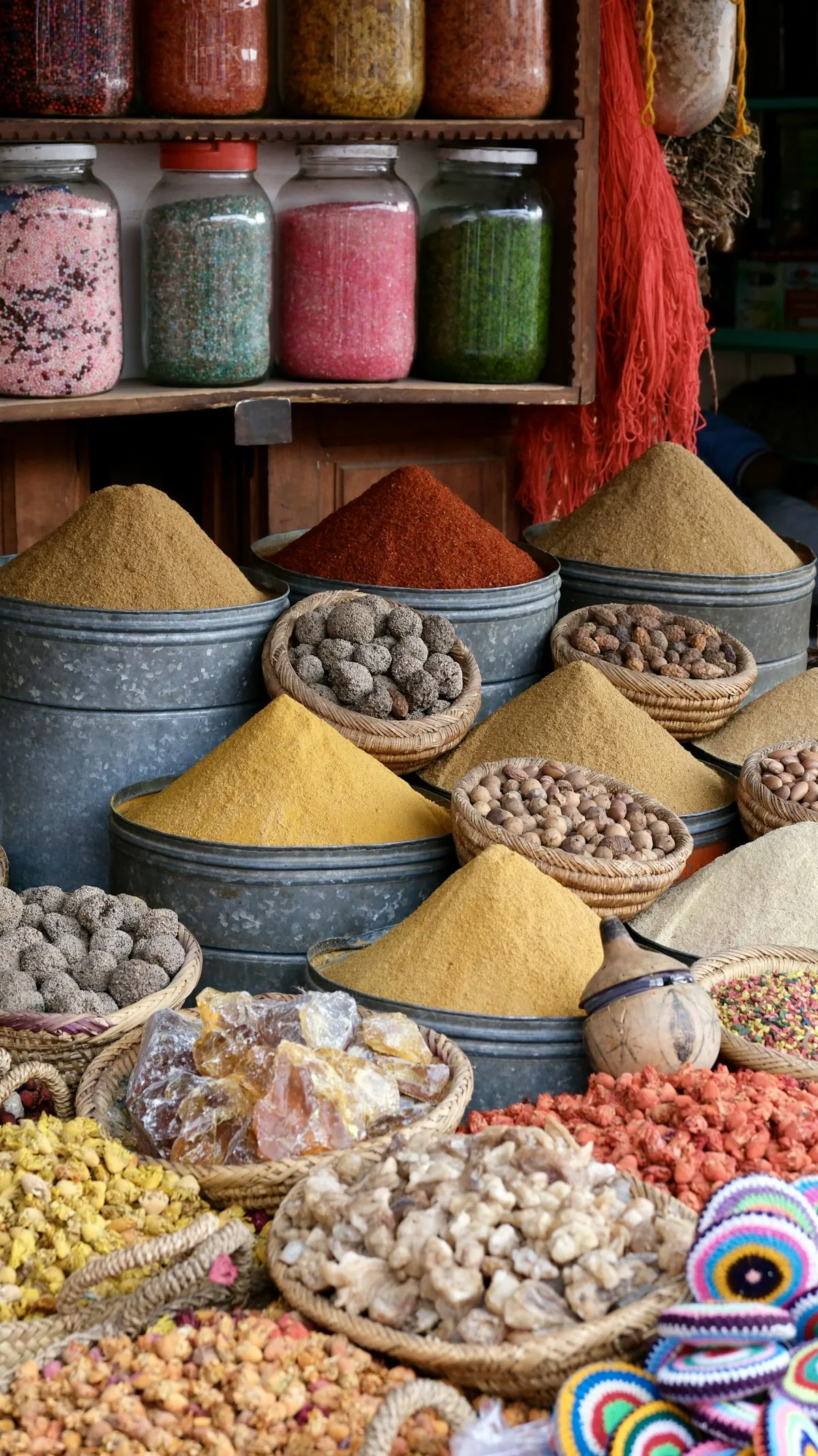
| Ground crayfish, egusi, ogbono | Yes | Dry powders and seeds in sealed bags | Online |
| Stock cubes, curry, thyme, spice blends | Yes | Small, light, long-lasting | Online, alongside a bigger order |
| Red palm oil | With care | Liquid and heavy; needs leak-proof packing, and it firms up in the cold | Either; check the container |
| Fresh ugu, efo, bitterleaf | Poorly | Wilts within days out of the fridge | Local African or Asian grocer |
| Fresh scotch bonnet, tatashe, okra | Poorly | Bruises and softens in transit | Local supermarket or market |
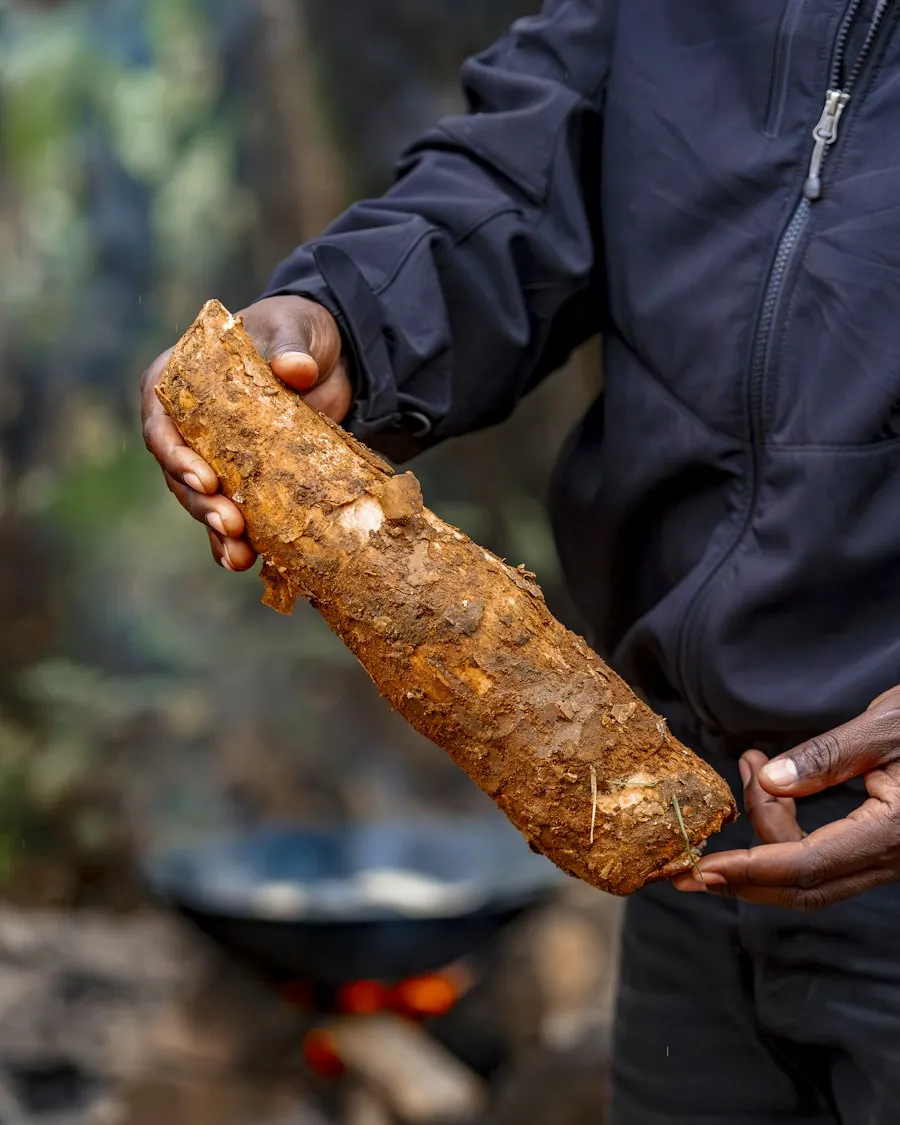
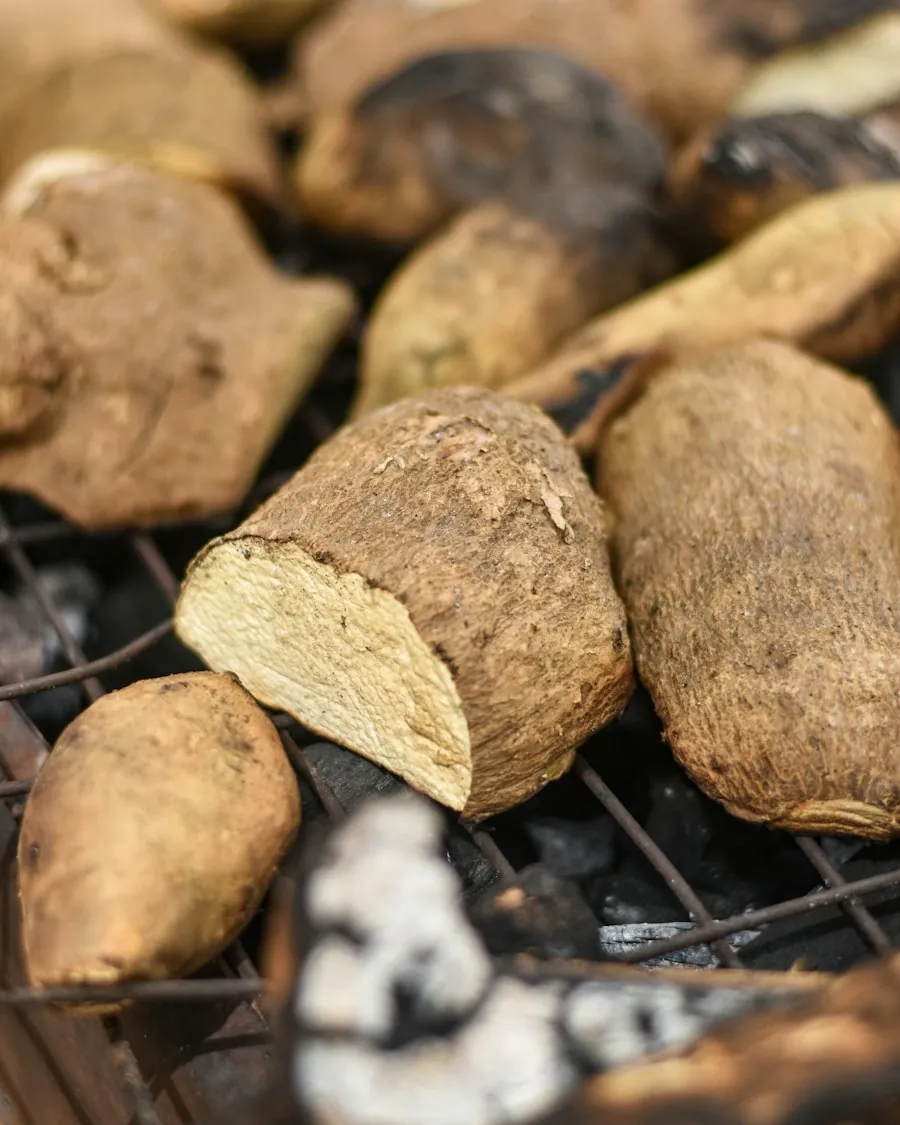
| Whole yam tubers | Rarely worth it | Heavy, so shipping outweighs the food | Local grocer, or use yam flour |
Tip: If palm oil arrives solid, it hasn't gone bad. Stand the closed bottle in warm water for a few minutes and it will pour again.
How do you plan an order around your soups?
Pick the two or three soups you'll cook this month, list what each pot needs, then split the list into a mail-order column and a buy-fresh column. Finally count swallow plates so you order enough flour and not a pound more.
Working this way stops the most common waste: a pantry full of half-used bags bought one at a time on impulse. Most Nigerian soups share a base of palm oil, ground crayfish, dried fish or stockfish, seasoning and pepper, so two or three soups often use the same pantry items. That overlap is where online buying pays.
- Choose the soups: write down the soups for the next four weeks, for example egusi twice and okra twice.
- List each pot: under each soup, write what goes in it. Our guide to soups that go with pounded yam is a useful prompt if you're short of ideas.
- Split dry from fresh: dry and sealed items go on the online list; leaves, fresh pepper, okra, onions and meat go on the local list.
- Count plates: people × swallow meals in the month = plates. At about 125 g of dry flour each, a 2 lb bag gives about 7 plates and a 10 lb bag about 36.
- Check what you already have: look at the best-before date on what's in the pantry before buying more.
- Place one order: combine everything that ships into a single basket so you pay for one delivery, not three.
What could a first order look like?
Here are three sample baskets built with that method. Each shows what to order, what to buy fresh nearby, and how much swallow the household needs, with the plate arithmetic shown.
Basket 1: egusi and efo riro for a family of four
Egusi once a week and efo riro once a week, each with pounded yam, for four weeks. That's 8 meals × 4 people = 32 plates, which fits inside one 10 lb bag (about 36 plates) with a few spare. The pantry side is ground egusi, palm oil, ground crayfish, stockfish or dried fish, iru (locust beans) and seasoning cubes. The fresh side is spinach or ugu, tatashe, scotch bonnet, onions and your meat.
Basket 2: ogbono and okra for two
Ogbono once a week and okra once a week for a couple: 8 meals × 2 = 16 plates. Two 2 lb bags give only about 14, so either take three 2 lb bags (about 21 plates, $29.97 plus shipping) or one 10 lb bag at $49.95 with free shipping, which will last about nine weeks. On the pantry side you need ground ogbono, palm oil, crayfish, stockfish and seasoning. Fresh okra, any leaves and meat come from nearby.
Basket 3: Sunday lunch for six
One meal, six people: 6 × 125 g = 750 g of flour. A 2 lb bag holds about 907 g, so one bag covers it with a plate to spare. If your guests like a second wrap, take two bags. Cook in batches of about 3 cups of flour so the pot doesn't get too full to fold.
How much does shipping add when you order Nigerian food online?
Shipping is priced mostly by weight, size and speed, so it adds the most to heavy, low-cost items and the least to light, dense ones like flour, crayfish and spices. The way to keep it down is to place fewer, fuller orders.
Many online grocers set a free-shipping threshold. Before you check out anywhere, compare the delivered cost, not the shelf price:
With us, shipping is free in the continental United States on five or more 2 lb bags, or on any 10 lb bag. Below that, standard, priority and express prices show at checkout before you pay. Orders leave within 24-48 hours and usually arrive 2-5 business days later, so allow about a week before the meal you're planning. Our step-by-step guide to buying pounded yam flour online walks through the pack choice and the shipping math in more detail.
Shop Afri Foods Basket
Start your basket with the swallow
Every sample basket above needs pounded yam, and that's the part we sell today. Choose a 2 lb bag for a single meal or a 10 lb bag for a month of soups.
- 100 percent yam from Benue State, Nigeria
- No cassava, potato starch, preservatives or coloring
- Free shipping on any 10 lb bag or five 2 lb bags
- Subscribe and save: 10 percent off, skip or cancel any time
How do you avoid buying the wrong product?
Read the product name, the ingredient list and the pack weight before the photo. Many Nigerian foods have two or three names, and similar-looking bags can hold quite different things.
A few mix-ups come up again and again. "Poundo" is a common shortcut name for instant pounded yam, but it's also used for blends, so check whether the ingredients say yam alone or add cassava or potato starch. Elubo is a different yam flour, used for amala. Ogbono and egusi are both ground seeds that thicken soup, but they make very different pots: ogbono draws, egusi doesn't.
When a listing is vague, ask the seller before you buy. A good shop will tell you the origin, the full ingredients and the pack weight. If they can't, buy something else.
- Product name matches the soup you're cooking
- Full ingredient list shown
- Country or region of origin stated
- Net weight on the listing
- Price per pound worked out
- Stock status clear, not "pre-order" in small print
- Shipping cost known before you pay
- Returns page easy to find
What does Afri Foods Basket sell today, and what's coming?
Today we sell one thing: pounded yam flour, made from Benue yams grown in Benue State, Nigeria, in 2 lb bags, a five-bag bundle, a 10 lb bag and a 40 lb wholesale case. Everything else on our site is coming soon, with no price or date yet.
We'd rather be plain about that than fill a shop with "out of stock" labels. The pages for the next ranges are live so you can see what's planned and join the launch list, which comes with a launch-day offer.
Our dried fish and seafood range will cover stockfish, bonga, ground crayfish, catfish, panla, mangala and more. The soup leaves range lists ugu, oha, ukazi, uziza, water leaf and dried pepper. Soup thickeners will include ogbono, achi, ofo and ukpo. Spices and seasoning, red palm oil and garri are planned as well.
Want stockfish and crayfish in the same box as your flour? Join the list and we'll tell you the day they launch.
Join the dried fish launch listUntil then, keep your local grocer for those items and use the plan above to order Nigerian food online only where it saves you a trip or a wasted bag.
Our interest: we sell pounded yam flour and plan to sell the other items named here. The shipping advice holds wherever you buy.
Frequently asked questions
Can fresh ugu or bitterleaf be shipped?
It can, but it rarely arrives in good shape after several days in a box. Fresh leaves wilt quickly without refrigeration. For fresh greens, a local African or Asian grocer is the safer choice, and spinach is a common stand-in for efo. Dried or frozen leaves travel better, so check how a seller packs them before ordering.
Is it cheaper to buy Nigerian groceries online or in a shop?
It depends on what you buy and how far you'd drive. Dry, light items like flour and crayfish can work out close to shop prices once you pass a free-shipping threshold. Heavy items like oil and tubers usually cost more online. Compare the delivered cost per item, and count your fuel and time for the trip.
How far ahead should I order for a party?
Allow at least a week. Our orders leave within 24-48 hours and usually arrive 2-5 business days after that, and weekends and holidays don't count as business days. For a wedding, naming ceremony or holiday meal, ordering ten days ahead gives you a cushion for slow carriers.
Will dried fish make the whole box smell?
Dried and smoked fish has a strong smell, which is part of what it brings to the soup. A careful seller seals it well so the smell stays inside its own packing. When it arrives, move it into an airtight container or a sealed bag in a cool, dry spot, away from flour and rice.
What should a first-time cook order before anything else?
Start with one swallow and one soup you already know. A 2 lb bag of pounded yam flour gives about seven plates, which is plenty to learn the method. Then buy the pantry items for that single soup, such as egusi, palm oil, crayfish and seasoning, before adding more.
Do I need to be home when the box arrives?
Usually not for dry goods, since flour and spices are fine for a few hours on a porch out of the rain. Bring the box in the same day, check the bags are sealed, and store everything somewhere cool and dry. Delivery details for our orders are on the shipping and returns page.
Does Afri Foods Basket sell egusi or palm oil yet?
Not yet. Today we sell pounded yam flour only. Red palm oil and garri are on our staples page as coming soon, with no price or date. Egusi is not in our first launch list, so buy it from your usual grocer for now.
Can I order wholesale quantities for a restaurant?
Yes, for pounded yam flour. We sell a 40 lb case of twenty 2 lb bags at trade pricing, which gives about 140-145 plates. Restaurants, caterers and stores can request a quote through the wholesale page, or call (734) 219-0258, Monday to Saturday, 9am to 7pm Eastern Time.
How we wrote this
The Afri Foods Basket team wrote this guide from our own product, shipping and launch information and from everyday Nigerian home-cooking practice; it was last reviewed in November 2026.
- Pack sizes, prices and shipping rules: our shop and product pages, November 2026.
- Serving size of about 125 g dry flour per person and batch size of about 3 cups: our site standard.
- Coming-soon ranges: our category pages; no prices or dates have been set.
Shipping times are typical, not promised; checkout shows the current options for your address.